
Alaska
Why Alaska deserves a closer look
Alaska is not one destination but an enormous collection of distinct regions, cultures and landscapes. Glaciers meet the sea, wildlife moves through vast roadless wilderness, and Indigenous histories remain inseparable from the land. Russian colonization, gold-rush communities, military history and remote industrial sites add layers that make Alaska much more than a scenic bucket-list trip.
The most important planning decision is not how to see everything—it is choosing one region and experiencing it well.
Alaska at a glance
Signature natural attraction
Denali National Park and Preserve
Denali protects approximately six million acres of taiga, alpine tundra, mountain landscapes and wildlife habitat. Visitors do not need to complete a difficult hike to experience the scale of the park: bus trips, roadside viewpoints, visitor-center exhibits and several accessible or lower-exertion trails provide alternatives.
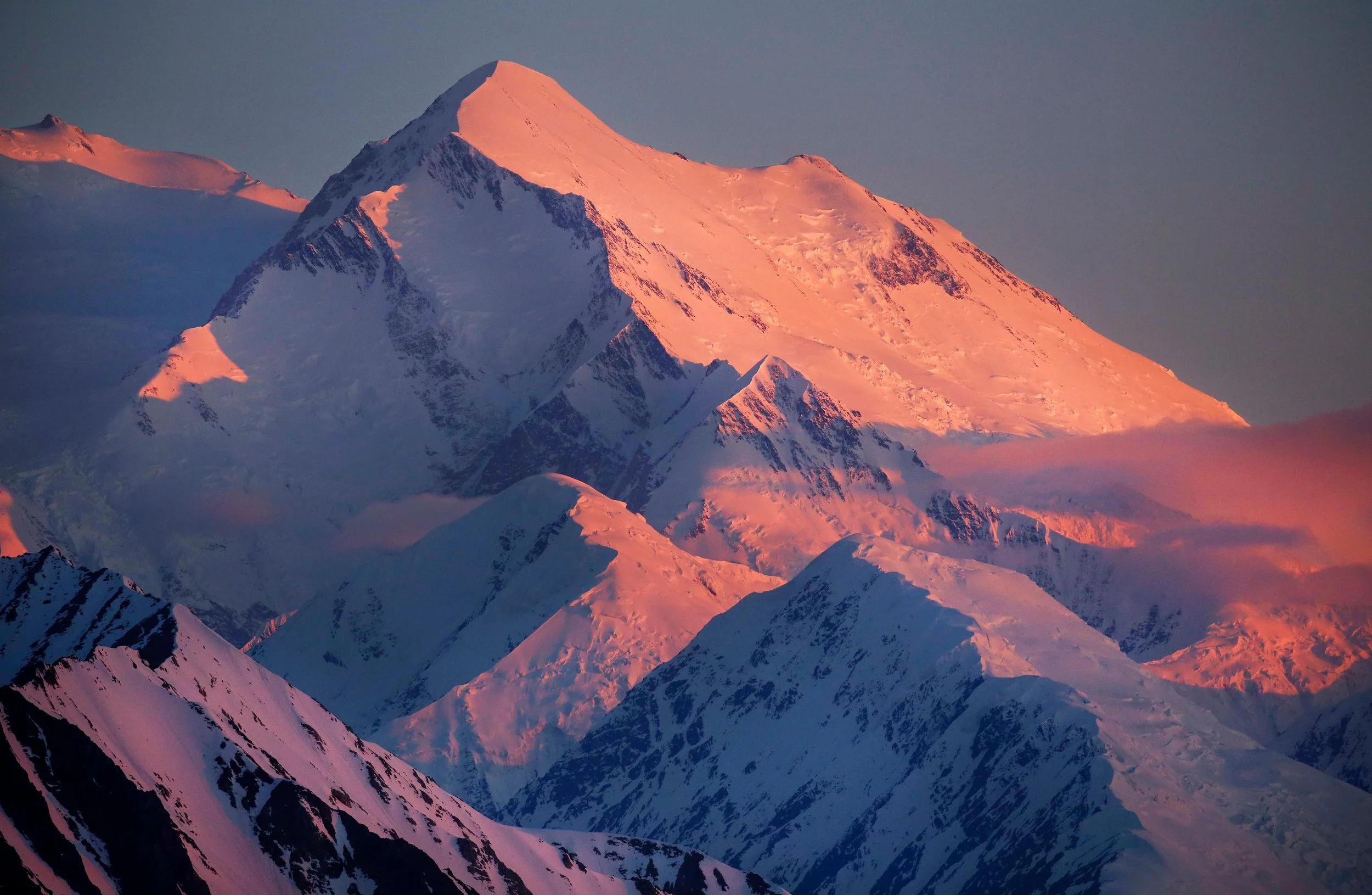
Denali National Park
Holly Abroad planning note: I would not build the entire visit around obtaining one perfect mountain photograph. Weather controls the view. The landscape, wildlife and experience of traveling into the park should be the real event—and a clear view of the mountain can be the bonus.
Many Denali buses have wheelchair lifts when requested during booking, and restroom stops normally occur approximately every 90 minutes. The Mountain Vista Loop Trail is ADA-compliant, while the first half-mile of the Savage River Loop is wheelchair accessible. Denali mobility information
Current planning alert: Denali Park Road bus travel was limited to Mile 43 during the 2026 season because of the Pretty Rocks Landslide. The National Park Service expects full bus service to resume in 2027, but visitors should verify conditions before booking.
Essential historical or archaeological site
Sitka National Historical Park
Sitka National Historical Park preserves the site of the 1804 conflict between the Indigenous Kiks.ádi Tlingit and Russian traders. Its cultural landscape includes the forested Totem Trail, Tlingit and Haida poles, museum collections and the Russian Bishop’s House—one of the few surviving examples of Russian colonial architecture in North America.
This is the strongest historical selection because it does not present Alaska as an empty wilderness waiting to be explored. It places Indigenous endurance, resistance and living culture beside the complicated legacy of Russian colonization.
The visitor center and exhibits are barrier-free. The Totem Trail is relatively flat and surfaced with crushed gravel, although rain can create muddy areas. The first floor of the Russian Bishop’s House is wheelchair accessible, and a virtual tour is available for the inaccessible second floor. Sitka accessibility information
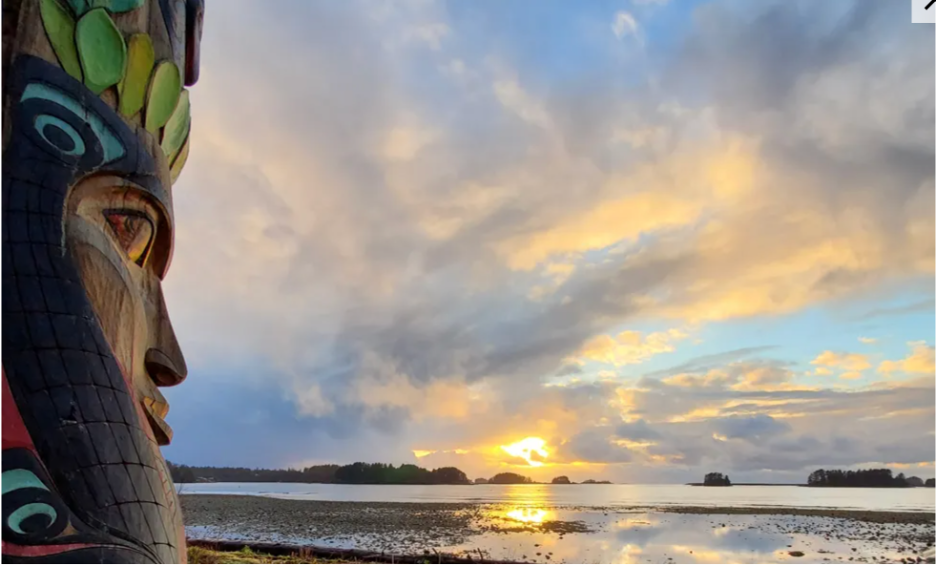
Holly Abroad planning note:
Begin with the exhibits and cultural interpretation before walking the Totem Trail. The poles are not simply decorations; they belong within living cultural traditions and individual community histories.
Best scenic drive
Seward Highway — Anchorage to Seward
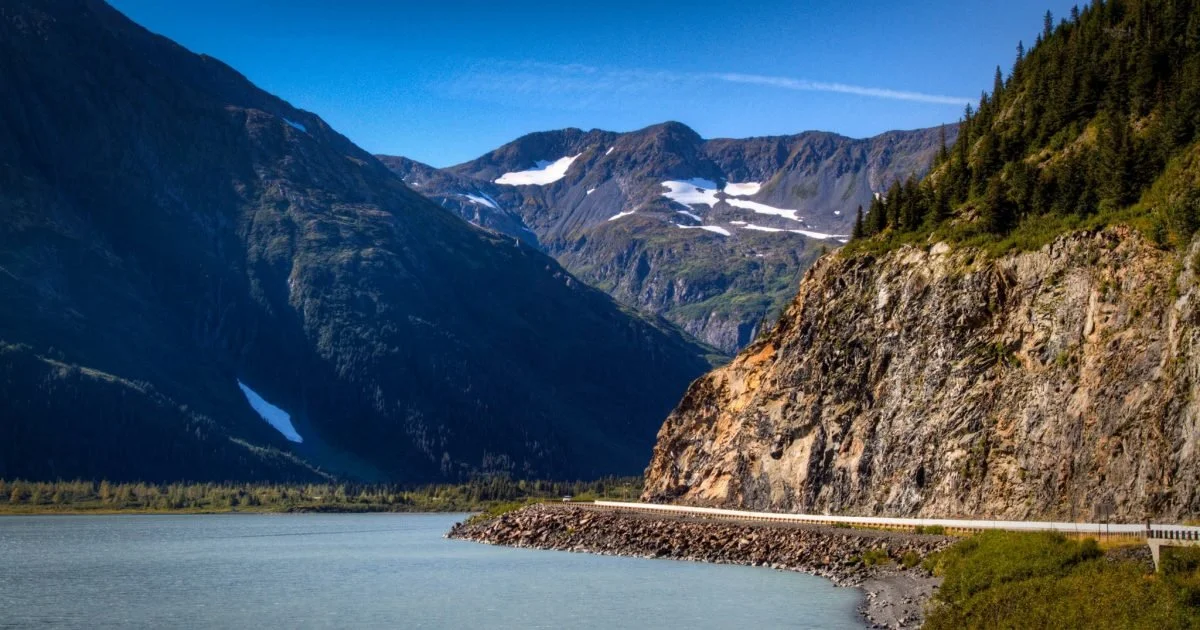
The 127-mile Seward Highway follows Turnagain Arm before climbing through the Chugach Mountains toward Seward. It carries three scenic designations, including All-American Road status.
Possible stops include Potter Marsh, Beluga Point, Bird Point, Girdwood, Portage Valley, Summit Lake and Moose Pass. Travelers may see waterfalls, mountains, tidal landscapes and wildlife without making the day dependent upon hiking.
Although the route can be driven in several hours, it deserves most of a day. Pullouts, wildlife sightings, weather and photography stops will slow the journey—in this case, that is the point. Alaska Department of Transportation scenic-drive guide
Holly Abroad planning note:
This is a “travel should fit you” road trip. Train ride or road trip: Choose overlooks and short stops that match your energy rather than treating every trail as a requirement.
One iconic experience
Take a glacier and wildlife cruise into Kenai Fjords National Park
A cruise from Seward offers access to marine wildlife, tidewater glaciers and fjord landscapes that cannot be fully appreciated from the road. Heated cabins provide shelter from wind and rain, while outdoor decks allow unobstructed viewing when conditions are comfortable.
Accessibility varies by vessel and should be confirmed before booking. Kenai Fjords Tours reports accessible restrooms on all its vessels, dedicated wheelchair tables and accessible interior and exterior decks aboard its catamarans. Electric mobility scooters do not fit on the vessels. Kenai Fjords Tours accessibility information
Holly Abroad planning note: This is the strategic splurge. Select the vessel as carefully as the itinerary—ask about seating width, stairs, deck access, restroom configuration and boarding assistance. Bring waterproof layers and motion-sickness medication even when the forecast looks friendly.
One overlooked Holly Abroad–style discovery
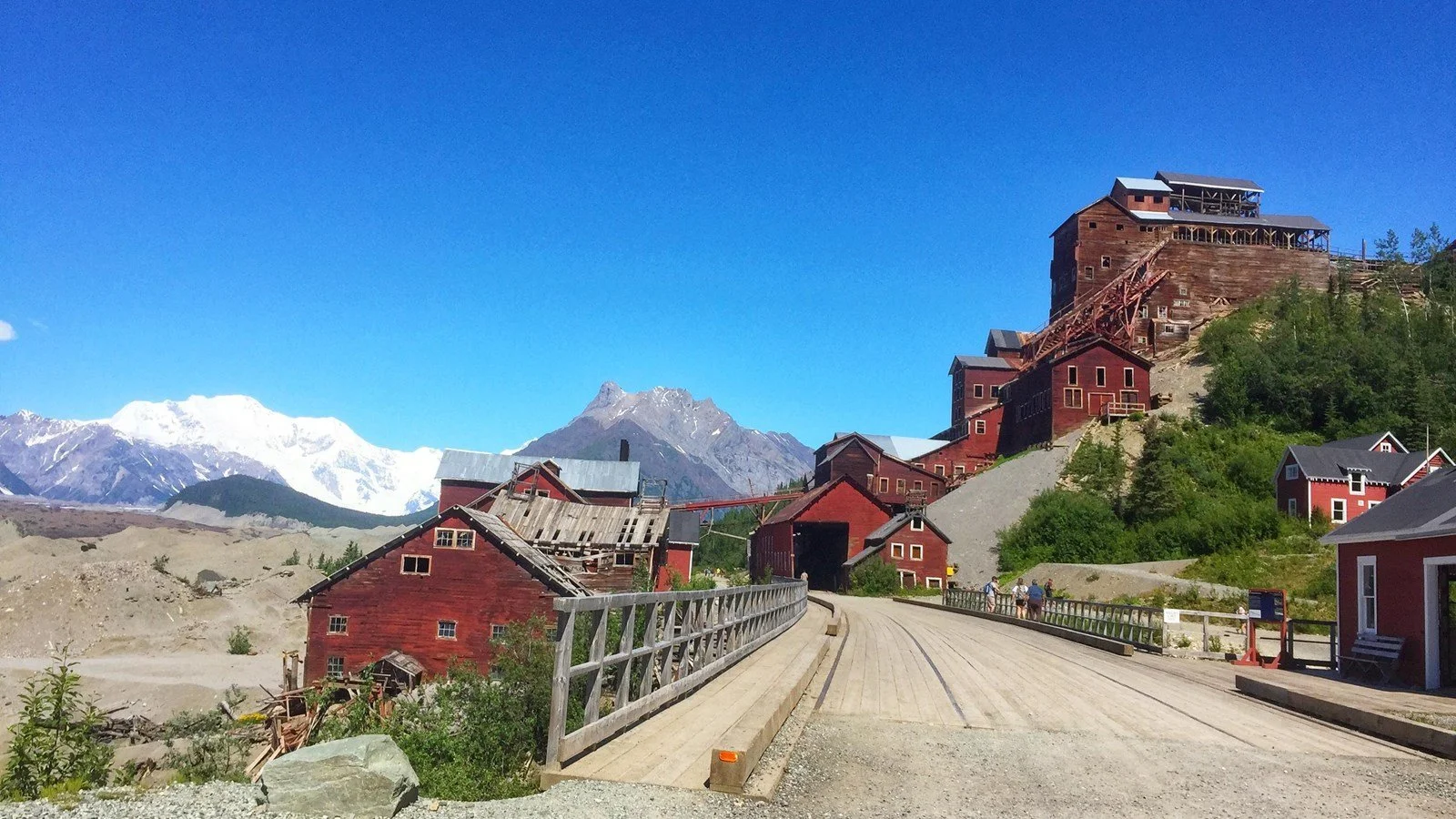
Kennecott Mines National Historic Landmark in Wrangell–St. Elias
Kennecott preserves an extraordinary copper-mining landscape surrounded by glaciers and mountains. The surviving mill buildings, machinery and workers’ community tell a story of industrial ambition, isolation, transportation and environmental transformation.
Reaching it is part of the experience—but not an easy casual detour. McCarthy Road is a remote, 60-mile unpaved road where potholes, washboarding and old railway debris can create hazards. Services and mobile-phone coverage are limited. Visitors park near the Kennicott River Bridge and continue to McCarthy and Kennecott by walking, bicycling or shuttle. National Park Service McCarthy Road guide
Holly Abroad planning note:
This combines industrial archaeology, an abandoned mining landscape and spectacular scenery. It is almost absurdly well suited to Holly Abroad—but it deserves several days and careful preparation, not a rushed addition to a first Alaska itinerary.
Plus-size comfort and accessibility considerations
Weather and clothing
Alaska requires layers even during summer. Temperatures can change significantly between sheltered towns, open water and mountain areas.
A waterproof outer layer is more useful than simply packing one heavy coat.
Boat decks and gravel paths may be wet or slippery. Supportive, water-resistant footwear matters more than fashionable wilderness gear.
Transportation and seating
Driving distances are long, and services can be widely separated. Plan fuel, food and restroom stops before departing.
Denali bus journeys can last several hours. Ask about seat dimensions and reserve a lift-equipped bus in advance if required.
Choose glacier-cruise vessels by accessibility features rather than assuming every boat in a company’s fleet has the same layout.
Small-aircraft operators may request every passenger’s accurate weight for aircraft balance and safety. Ask about seat dimensions, steps and boarding procedures before paying for an expensive excursion.
Alaska Railroad staff can provide boarding assistance and operate wheelchair lifts, but arrangements should be discussed when reservations are made.
Energy and exertion
Scenic drives, cruises, trains and visitor centers allow travelers to experience Alaska without making every day hiking-centered.
Gravel, roots, mud, steep gangways and uneven historic buildings are common.
Build recovery time after boat tours, long bus excursions and major driving days.
Remote does not automatically mean inaccessible—but it nearly always requires more advance planning.
Realistic trip length
Ten days is a sensible minimum for a first road-connected Alaska trip.
A realistic introductory route would be:
Anchorage: 1 day
Turnagain Arm and Girdwood: 1 day
Seward and Kenai Fjords: 3 days
Talkeetna: 1 day
Denali National Park: 3 days
Return to Anchorage: 1 day
Two weeks would provide a more relaxed trip or allow the addition of Homer or Fairbanks.
Sitka, Kennecott and Alaska’s remote national parks should not simply be added to this itinerary. They belong in an extended trip or separate regional journeys.
Best season
Mid-June through early September offers the widest selection of tours, transportation and visitor services.
Mid-June through August: Warmest conditions and maximum services, but also the highest prices and greatest demand.
Late May: Potentially lower prices and fewer visitors, although some tours and facilities may not yet be operating.
Late August through early September: Fall color, the beginning of aurora season and somewhat lower prices, with the risk that seasonal services will begin closing.
Winter: A completely different Alaska experience that requires specialized clothing, shorter daylight planning and realistic expectations about road and attraction access.
Budget expectations
Estimated ten-day ground budget, excluding airfare:
Solo traveler: approximately $3,800–$5,800
Two people sharing lodging and a rental car: approximately $2,700–$4,000 per person
This assumes moderate lodging, a rental car, meals, a Kenai Fjords cruise and one additional paid activity. Alaska can become considerably more expensive when an itinerary includes bush planes, remote lodges or multiple distant regions.
The most effective budget strategy is to choose one road-connected region, book early and select one or two meaningful splurges. The official state travel guide also recommends concentrating on a single region rather than paying repeatedly to move between distant parts of Alaska. Travel Alaska budget guidance
National parks and other notable NPS sites
Alaska contains eight units officially designated as National Parks, although several carry the combined “National Park and Preserve” title:
Denali National Park and Preserve
Gates of the Arctic National Park and Preserve
Glacier Bay National Park and Preserve
Katmai National Park and Preserve
Kenai Fjords National Park
Kobuk Valley National Park
Lake Clark National Park and Preserve
Wrangell–St. Elias National Park and Preserve
Other major National Park Service units include:
Alagnak Wild River
Aniakchak National Monument and Preserve
Bering Land Bridge National Preserve
Cape Krusenstern National Monument
Klondike Gold Rush National Historical Park
Noatak National Preserve
Sitka National Historical Park
Yukon–Charley Rivers National Preserve
The NPS directory also lists the Alaska Public Lands Information Centers, Aleutian Islands World War II National Historic Area and Iñupiat Heritage Center. Official National Park Service Alaska directory
Important national-park goal note: Several Alaska parks have no road access. Gates of the Arctic, Kobuk Valley, Lake Clark and much of Katmai generally require air taxis or specialized transportation. Visiting all eight Alaska national parks will likely require multiple trips and a dedicated long-term budget.
Holly’s status: On My Slate — planned for 2029 to celebrate a friend’s 60th birthday.
Holly’s Alaska stories
Alaska is currently On My Slate for 2029, when I plan to visit as part of a trip celebrating a friend’s 60th birthday.
Until then, this page reflects my research rather than firsthand experience. I’ll add personal stories, original photographs and comfort notes after the trip.
*Photographs on this page are licensed stock images unless otherwise identified.
