
Why Arkansas deserves a closer look
Arkansas combines Ozark and Ouachita mountain scenery, one of the country’s earliest protected thermal-spring landscapes, important Indigenous archaeology and defining chapters in American civil-rights history.
Arkansas — At a Glance
Signature natural attraction
Buffalo National River
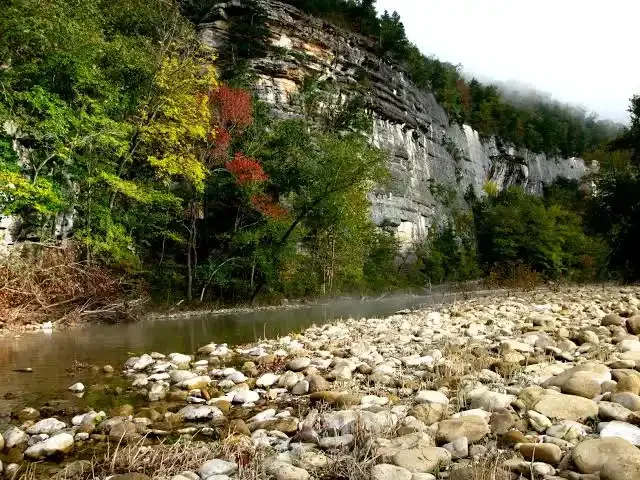
Buffalo National River flows through the Ozarks beneath limestone bluffs, wooded ridges and historic homesteads. The National Park Service manages 135 miles of the river, with opportunities for paddling, hiking, camping and scenic drives.
Floating is the iconic way to experience the landscape, but it is not the only option. Tyler Bend Visitor Center, overlooks, historic sites and selected river-access areas provide alternatives for travelers who do not want to paddle or hike extensively.
The river is rainfall-dependent, and paddling conditions can change quickly. The upper river usually has its best floating conditions in spring, while opportunities tend to move downstream as water levels fall. Conditions should be checked immediately before any trip.
Accessibility remains limited in parts of the park because many areas are remote and comparatively undeveloped. Road conditions, restroom availability and the exact accessibility of a river access should be confirmed before setting out.
Plan a Buffalo National River visit
Buffalo National River accessibility information
Current paddling guidance
Holly Abroad planning note:
Do not make the entire visit dependent on one float trip. River levels and weather may disagree with the itinerary. Build a scenic-driving and cultural-history backup plan.
Essential historical or archaeological site
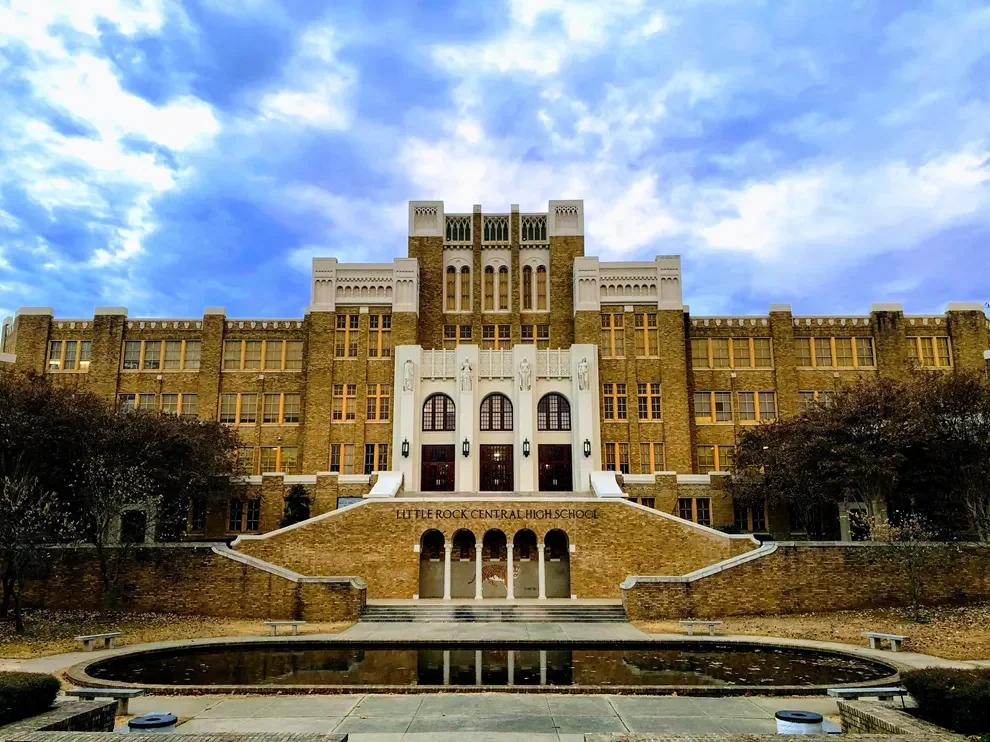
Little Rock Central High School National Historic Site
In September 1957, nine African American students attempted to integrate Little Rock Central High School following the Supreme Court’s Brown v. Board of Education decision. The resulting confrontation became a defining test of federal authority, public education and the developing civil-rights movement.
The school remains an operating high school and is not generally open for public touring. Visitors begin across the street at the National Park Service visitor center, which uses interviews, recordings, news footage and exhibits to tell the story of the Little Rock Nine.
The visitor center, restrooms and exhibit areas are wheelchair accessible. The Commemorative Garden has paved, ramped entrances. Ranger-led programs currently require advance reservations and take place outside the school; operational details should be verified before visiting.
Plan a Little Rock Central High School visit
Current hours and tour information
Accessibility information
Holly Abroad planning note:
This should not be treated as a quick photograph of the school façade. Allow time for the visitor-center exhibits and listen to the voices of the Little Rock Nine before exploring the outdoor site.
Best scenic drive
Arkansas Scenic 7 Byway
Scenic 7 travels approximately 290 miles from the Louisiana border to Harrison, crossing four of Arkansas’s geographic regions.
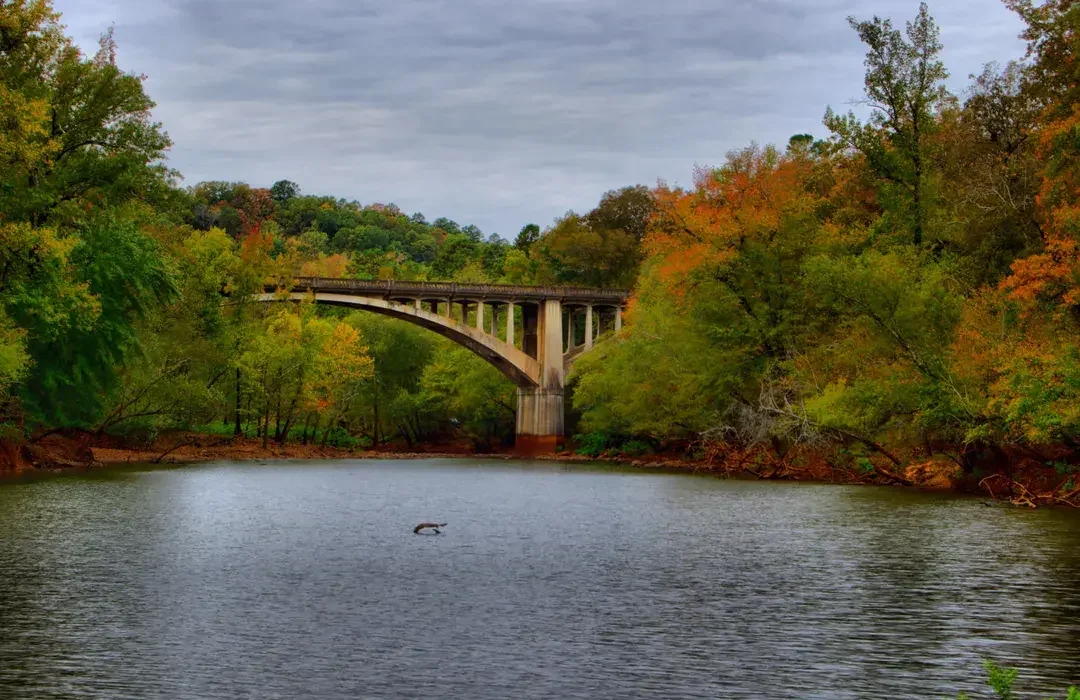
The route passes through pine and cypress country, the Ouachita Mountains, Hot Springs, the Arkansas River Valley and the Ozarks. Northern sections include sharp curves and mountain scenery near the area promoted as the “Grand Canyon of the Ozarks.”
Driving all 290 miles in a single day would miss the point. The strongest Holly Abroad version would divide it into sections and include Hot Springs, Russellville and an overnight near Jasper or the Buffalo River.
Holly Abroad planning note
Travelers prone to motion sickness should prepare for the curving Ozark sections. Avoid driving unfamiliar mountain roads after dark, especially during rain, fog or possible winter ice.
One iconic experience
Take the thermal waters at Hot Springs National Park
Hot Springs National Park combines natural thermal springs, elaborate historic bathhouses and an urban setting unlike that of most national parks.
Outdoor soaking is not permitted. Thermal-water bathing is currently available at two businesses on Bathhouse Row:
Buckstaff Bathhouse: A traditional bathing experience in operation since 1912.
Quapaw Bathhouse: Thermal pools, private baths and modern spa treatments.
A paid bath or spa appointment is the strategic splurge. Travelers can still experience the park without one by visiting the Fordyce Bathhouse museum, walking Bathhouse Row, touching the cooled thermal water and filling a bottle at an approved fountain.
Bathhouse Row’s buildings are wheelchair accessible. Its paved walkway is approximately four to five feet wide, and benches with backs are available along Bathhouse Row and the Grand Promenade.
Current thermal-water information
Hot Springs accessibility information
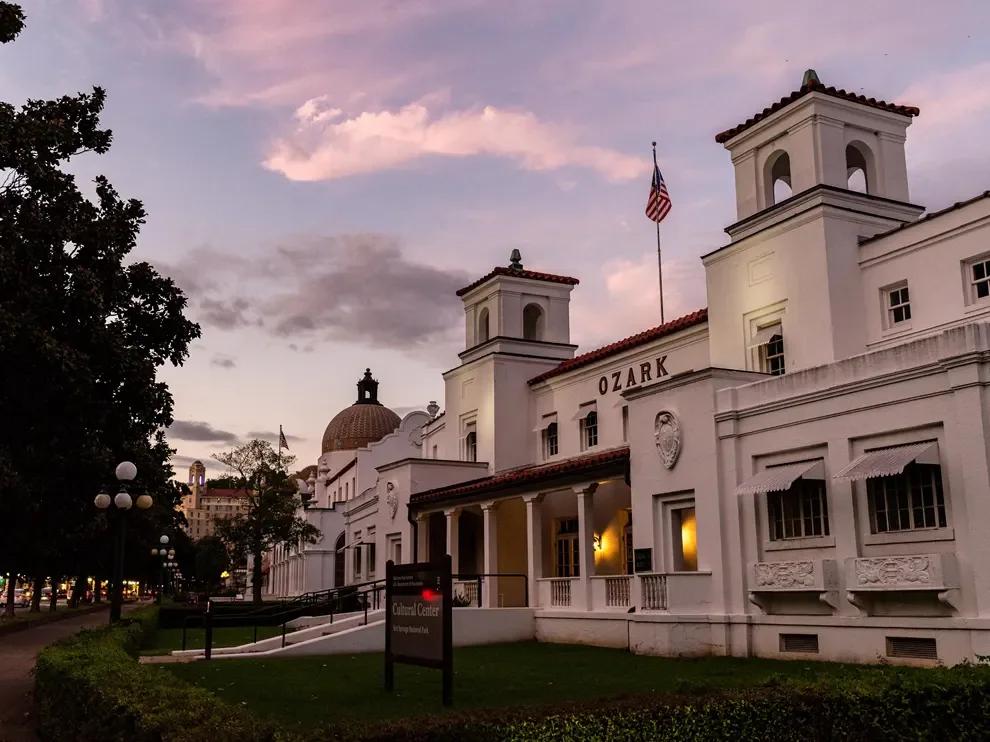
Holly Abroad planning note:
Ozark Bathhouse on Bathhouse Row. Thermal-water bathing is currently offered at Buckstaff and Quapaw bathhouses.
Before reserving a bathing service, ask about robe sizing, changing-room seating, pool-entry steps or handrails and the privacy level of the experience. Historic atmosphere does not automatically guarantee modern comfort.
One overlooked Holly Abroad–style discovery
Plum Bayou Mounds Archeological State Park
Formerly called Toltec Mounds, Plum Bayou Mounds preserves Arkansas’s largest and most complex Indigenous mound site. The ceremonial center was used by the Plum Bayou culture approximately 1,000 years ago.
The park’s name was changed in 2022 after consultation with American Indian representatives and other stakeholders. The older name was based on an incorrect theory connecting the site to the Toltec people of Mexico.
Visitors can see monumental earthworks, archaeological exhibits and evidence of continuing research. Guided programs are available on selected dates or by advance arrangement.
The 0.8-mile Knapp Trail is fully paved and ADA accessible. The longer Plum Bayou Trail covers approximately 1.6 miles. Travelers should contact the park for current trail and tram-tour conditions before visiting.
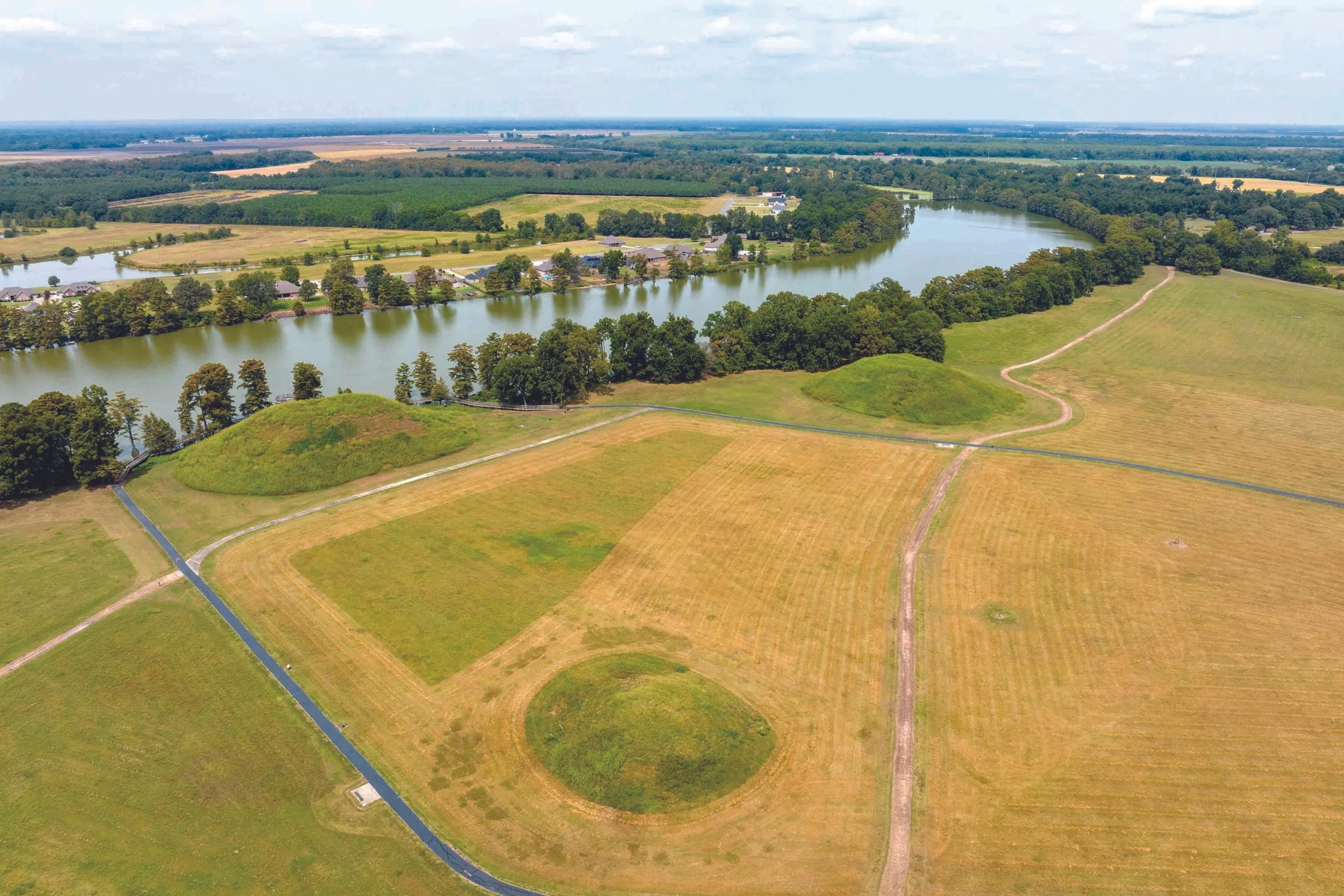
Holly Abroad planning note:
This is exactly the kind of place the series should uncover: significant archaeology, changing historical interpretation and a location close enough to Little Rock to include without creating a punishing detour.
Plus-size comfort and accessibility considerations
Heat and weather
Arkansas summers are hot and humid. Heat may feel more intense than the temperature suggests.
Schedule archaeological sites, battlefield grounds and outdoor historical tours early in the day.
Thunderstorms, tornadoes and flash flooding can occur. Check forecasts before river trips or mountain drives.
Winter precipitation frequently creates ice rather than deep snow, making roads and walkways deceptively slippery.
Carry water even on cultural-history days; outdoor exhibits can involve more walking and sun exposure than expected.
Bathhouse comfort
Bathhouses differ in layout, privacy and pool access.
Ask about robes, towels, locker dimensions, seating and handrails before purchasing a package.
Confirm whether a service requires climbing into a traditional tub or navigating steps.
Travelers with medical concerns should discuss prolonged heat exposure with their healthcare provider.
River and outdoor activities
Buffalo National River is comparatively primitive, with uneven surfaces, gravel, mud and some steep access roads.
Mobile-phone coverage can be unreliable.
Ask an outfitter about boat stability, seating configuration and the full range of personal-flotation-device sizes.
A properly fitting life jacket is essential; do not accept one that cannot be secured comfortably.
Choose a float by water conditions and experience level, not simply by which route produces the prettiest photographs.
Driving and pacing
Scenic 7 and other Ozark roads include curves and elevation changes.
Divide the route into manageable sections instead of treating the entire byway as a mileage challenge.
Build recovery time after paddling, spa treatments and long drives.
Little Rock and Hot Springs provide the strongest concentration of accessible museums, lodging and dining.
Realistic trip length
Seven to nine days would provide a satisfying first Arkansas trip.
A realistic eight-day route would be:
Little Rock and Central High School: 2 days
Plum Bayou Mounds and Arkansas Post: 1 day
Hot Springs National Park: 2 days
Scenic 7 and the Buffalo River region: 2 days
Fort Smith or the return journey: 1 day
Ten days would allow a slower pace or the addition of Pea Ridge and northwest Arkansas.
A three- or four-day trip should focus on either Little Rock and Hot Springs or the northern Ozarks—not attempt the entire state.
Best season
Mid-April through May and mid-October through early November provide the best balance of comfortable temperatures and scenery.
Spring: Wildflowers, flowing waterfalls and generally stronger Buffalo River paddling conditions.
Summer: Full visitor services but significant heat, humidity and thunderstorms.
Fall: Cooler weather and foliage, particularly in the Ozarks and Ouachitas. Popular lodging can fill quickly.
Winter: Lower crowds and better long-distance forest views, but ice can affect roads and trails.
Fall foliage timing varies with elevation, rainfall and temperature. Arkansas tourism reports that color generally begins in northern Arkansas in early October and progresses southward over several weeks.
Arkansas seasonal planning information
Official fall-driving guidanceBudget expectations
Estimated eight-day ground budget, excluding airfare:
Solo traveler: Approximately $1,800–$2,900
Two travelers sharing lodging and a rental car: Approximately $1,250–$1,950 per person
This assumes moderate lodging, a rental car, fuel, meals, museum or tour expenses and one thermal-bath or spa experience.
Arkansas’s National Park Service locations generally provide substantial history and scenery without high entrance costs. Hot Springs spa services, guided river outings and peak fall lodging are the expenses most likely to increase the budget.
The best value strategy is to use Little Rock and Hot Springs as two-night bases, select one paid iconic experience and enjoy the scenic drives, visitor centers and historical grounds at a relaxed pace.
National parks and other notable NPS sites
Arkansas has one unit officially designated as a National Park:
Hot Springs National Park
Other places in the current National Park Service Arkansas directory are:
Arkansas Post National Memorial
Buffalo National River
Butterfield Overland National Historic Trail
Fort Smith National Historic Site
Little Rock Central High School National Historic Site
Pea Ridge National Military Park
President William Jefferson Clinton Birthplace Home National Historic Site
Trail of Tears National Historic Trail
The NPS page uses “national parks” broadly when counting all units, but Hot Springs is the state’s only property carrying the specific National Park designation. The two historic trails cross multiple states.
Official National Park Service Arkansas directory
Holly’s Arkansas stories
I have driven through Arkansas, but I haven’t yet explored the state’s attractions firsthand. Arkansas remains on my travel slate for a proper visit.
Until then, this page reflects my research rather than personal experience. I’ll add firsthand stories, photographs and comfort notes as the Holly Abroad journey grows.
Photographs on this page are licensed stock images unless otherwise identified.
