Nevada | Established 1986
✓ HOLLY HAS BEEN HERE
The Holly Abroad Take:
Ancient trees, marble caves, alpine lakes, desert valleys and some of the darkest skies in the country—Great Basin is the kind of national park that quietly surprises you. Remote, uncrowded and wildly varied, it feels like discovering a corner of Nevada that most travelers simply drive past.
Great Basin National Park was established October 27, 1986; the much older Lehman Caves National Monument, established in 1922, was incorporated into the new park.
Signature Natural Feature
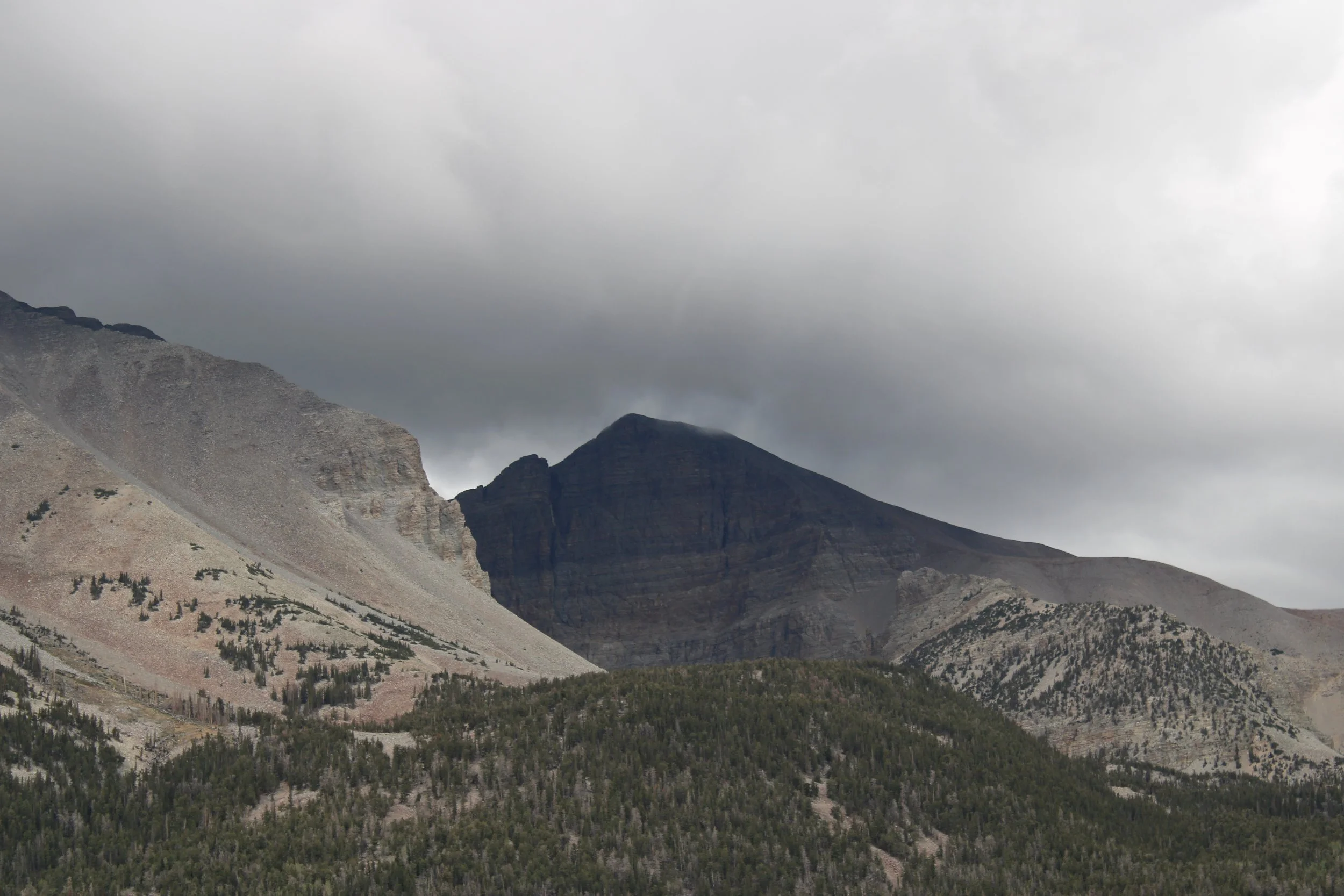
Ancient Bristlecone Pines & Wheeler Peak
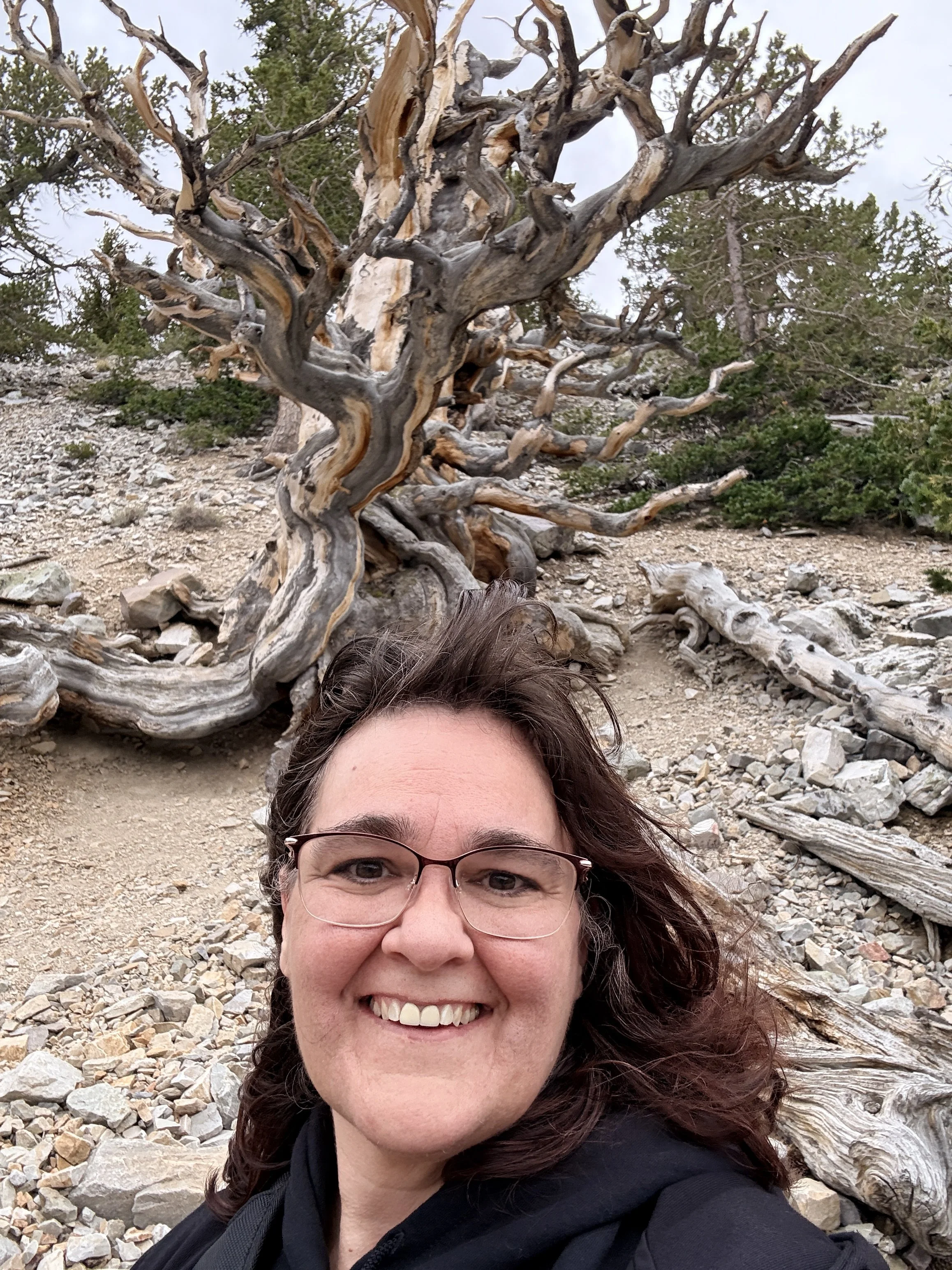
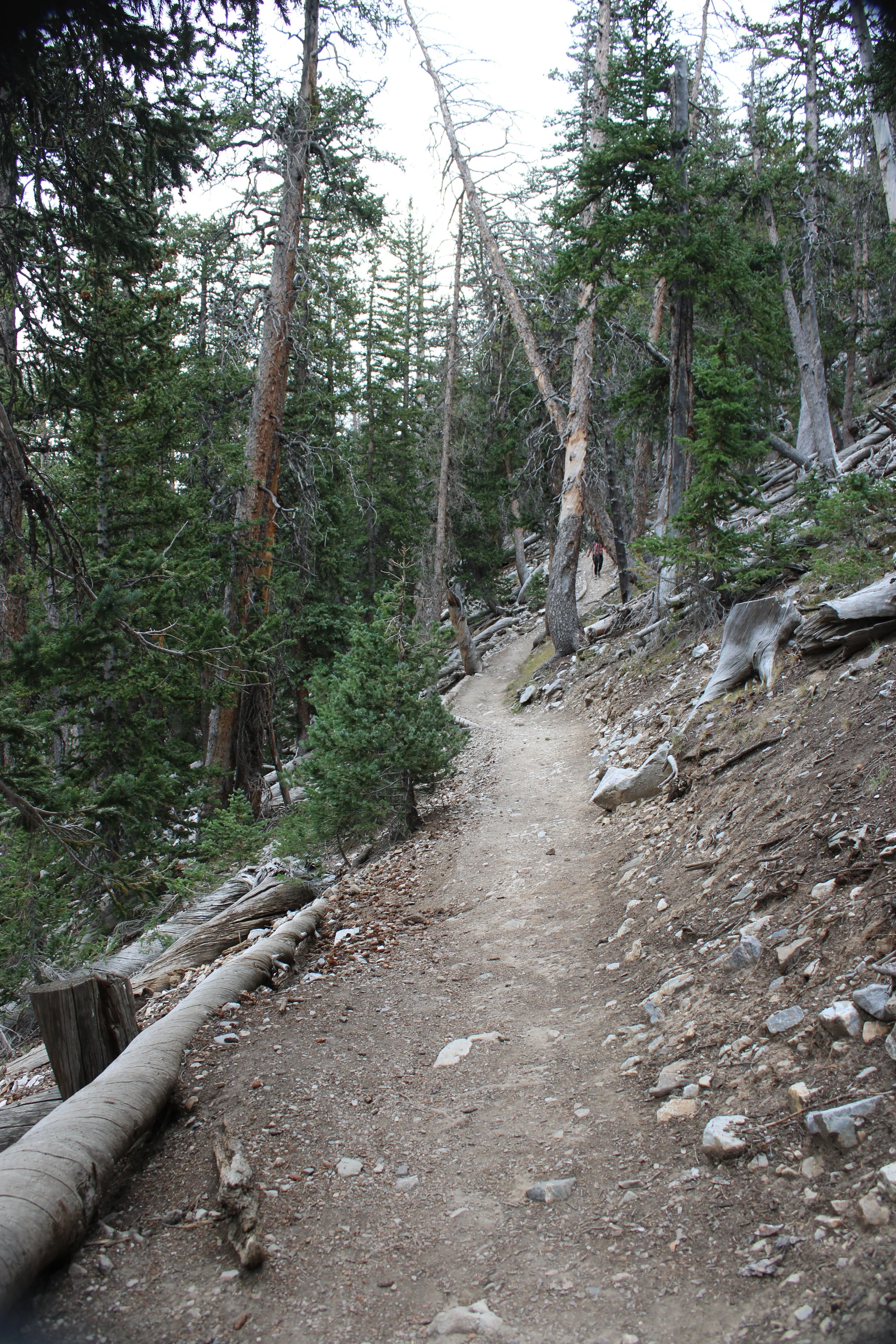
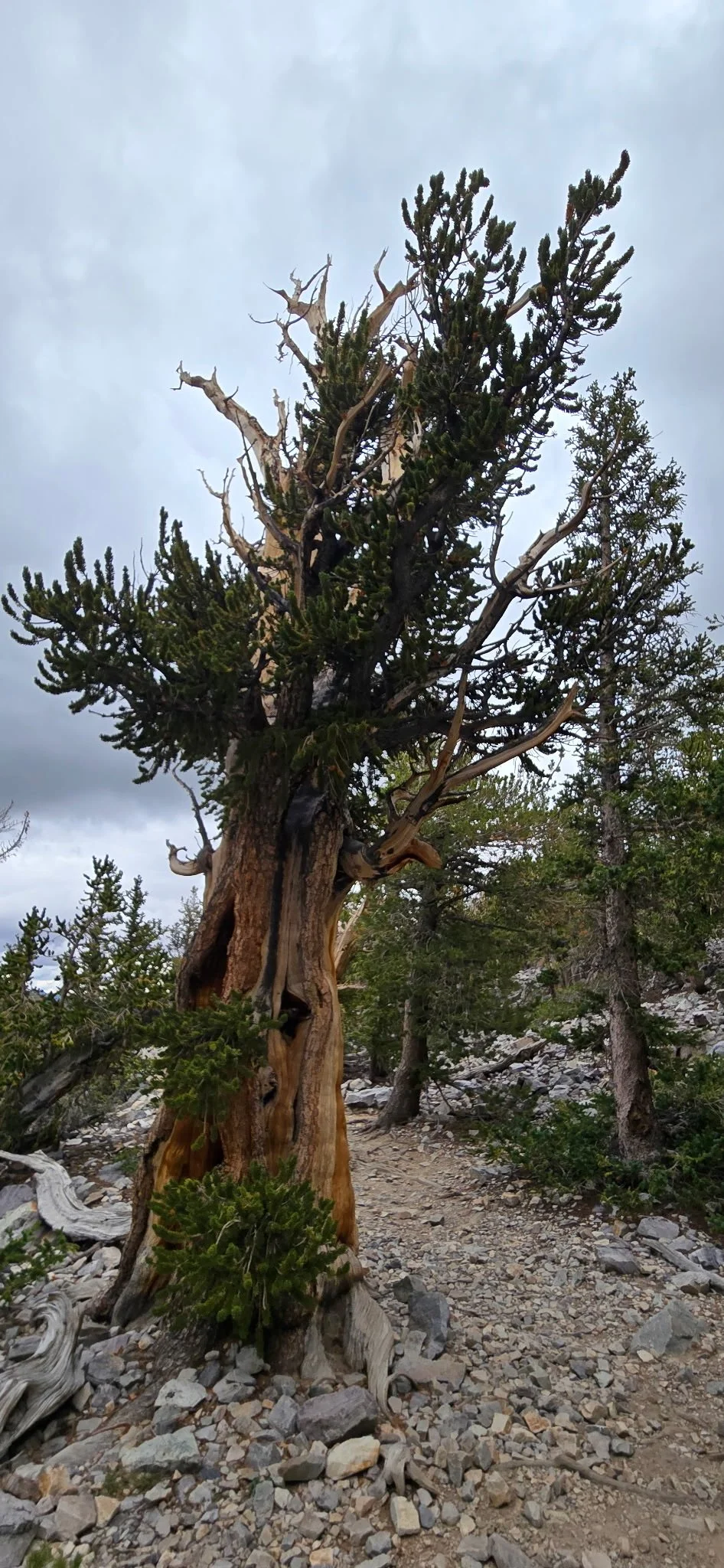
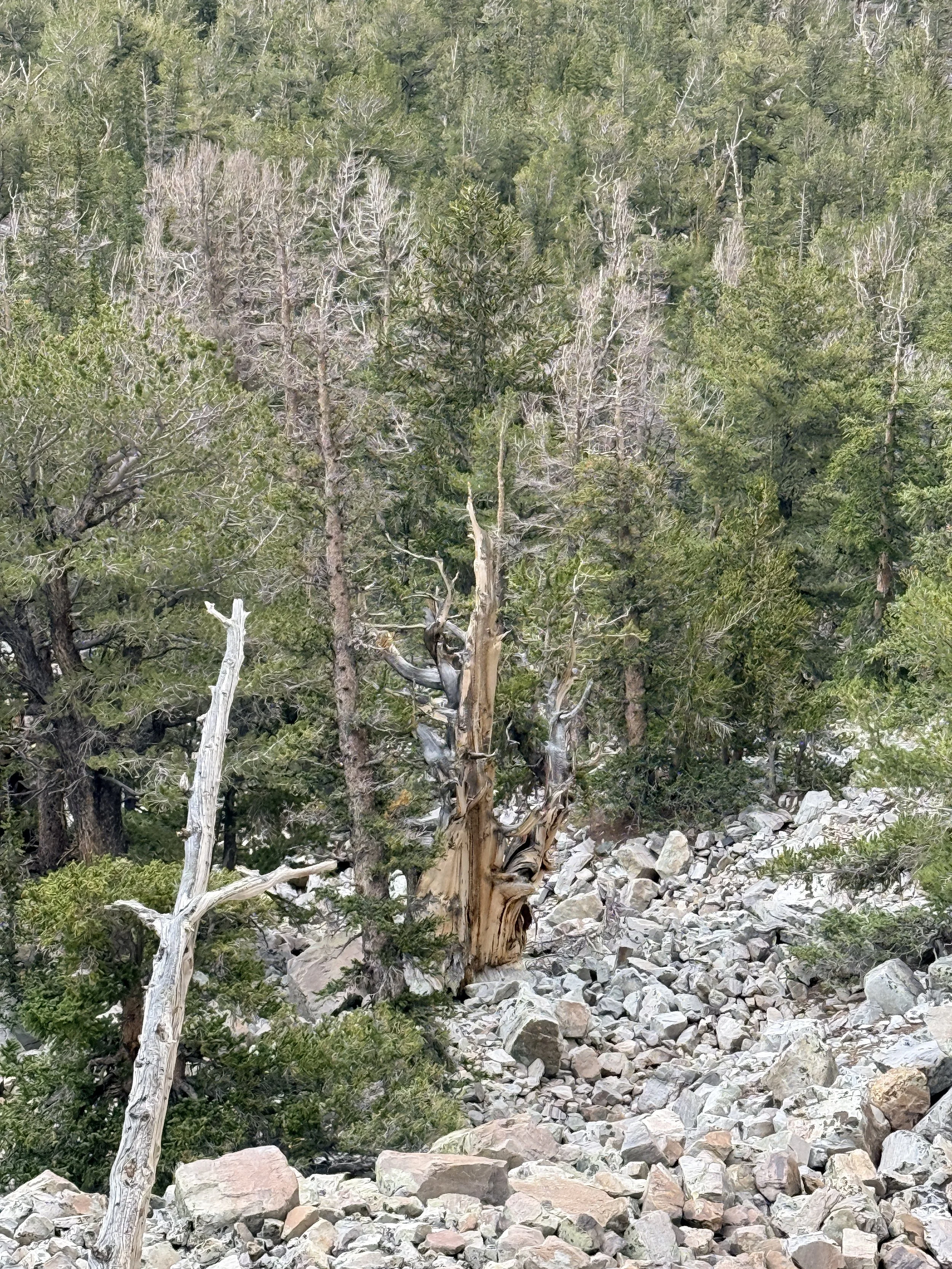
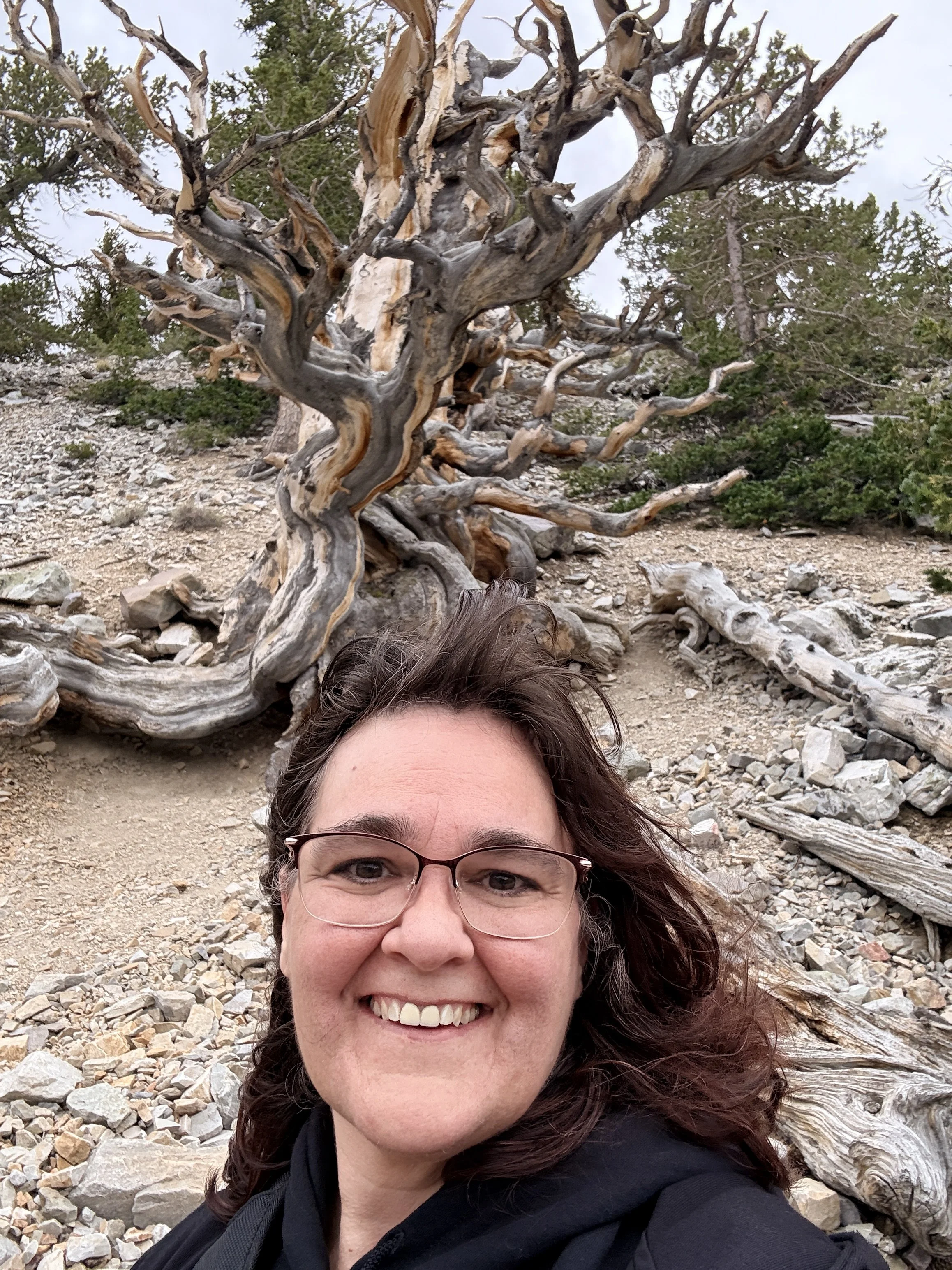
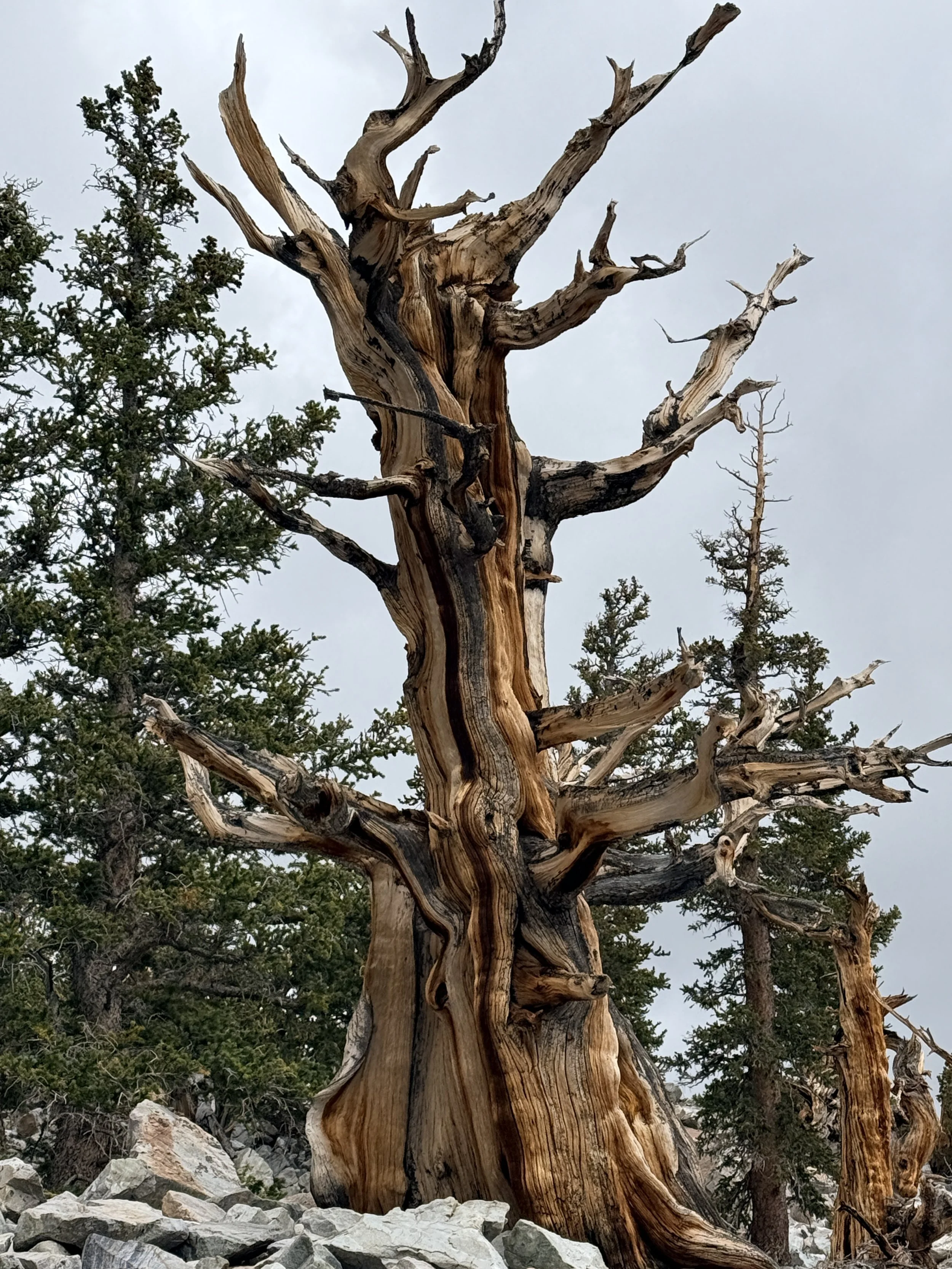
These hardy trees, shaped by wind, snow, and rain survive thousands of years, overseeing the rise and fall of great empires, growing through ice-ages and catastrophic volcanic eruptions. But their ability to survive these harsh environments and adverse growing conditions are exactly their secret to great longevity.
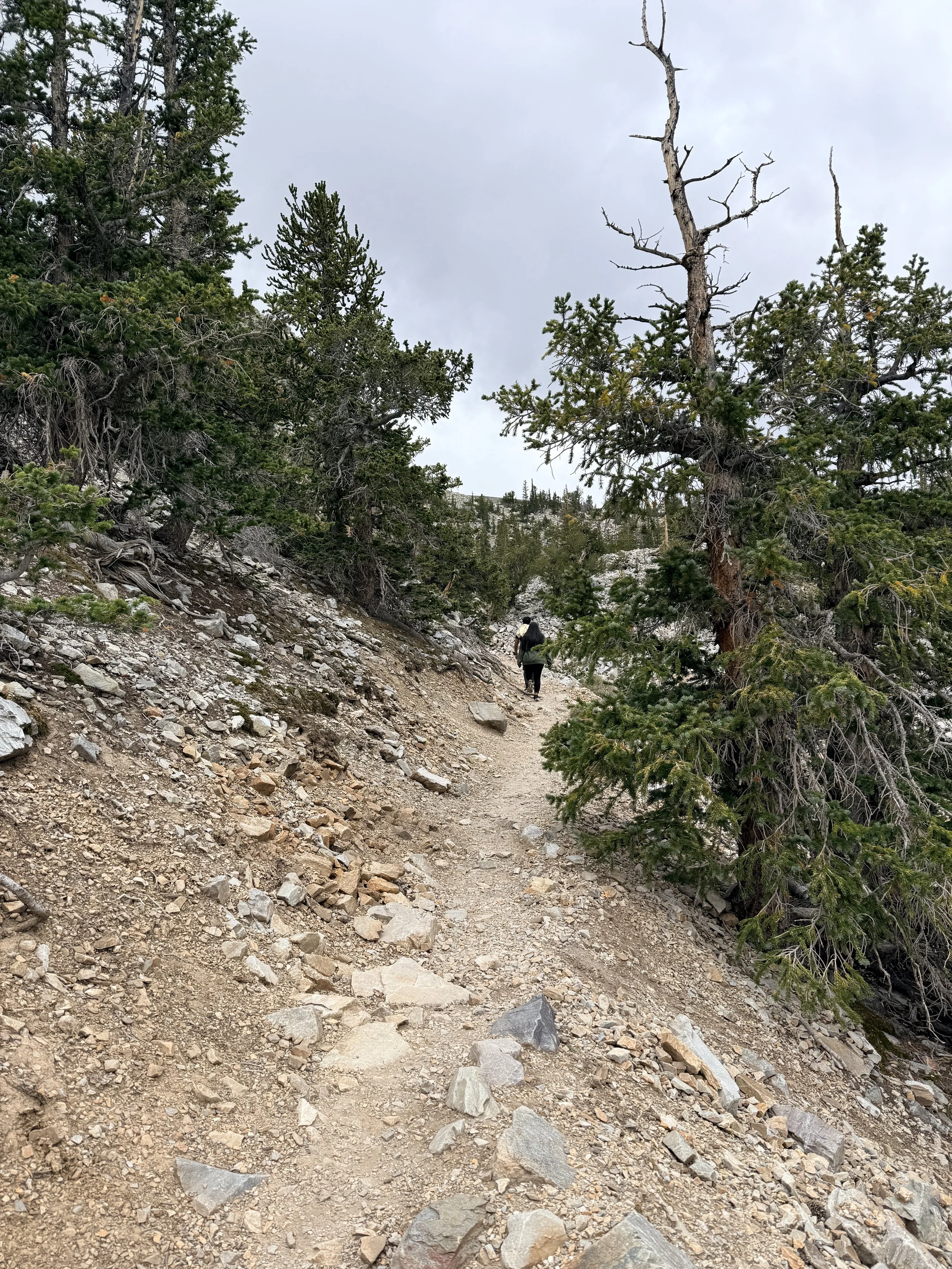
Great Basin protects groves of ancient bristlecone pines high in the Snake Range beneath Wheeler Peak. The combination of high elevation, harsh weather and poor soils helps these extraordinarily long-lived trees survive where many other species cannot.
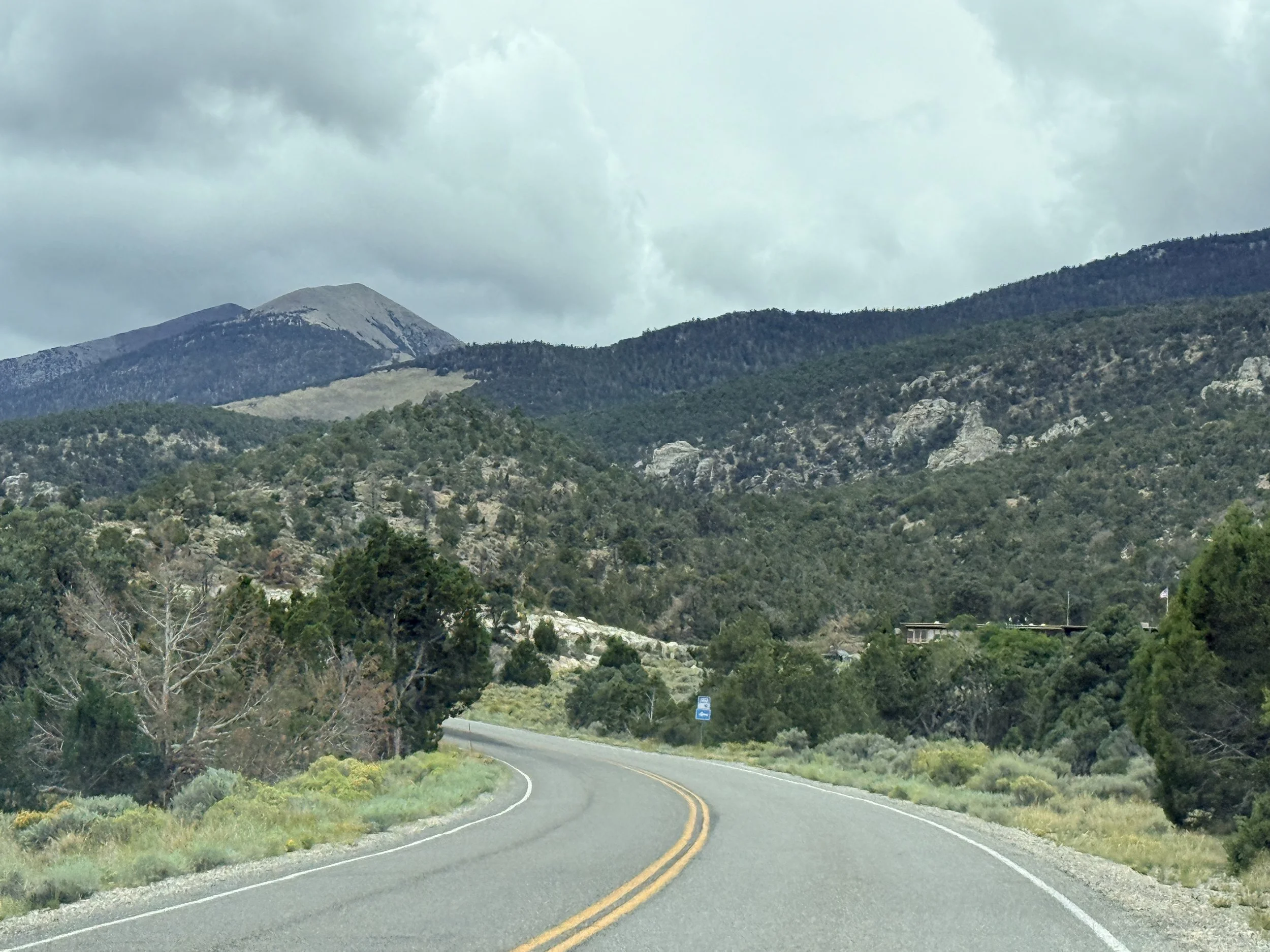
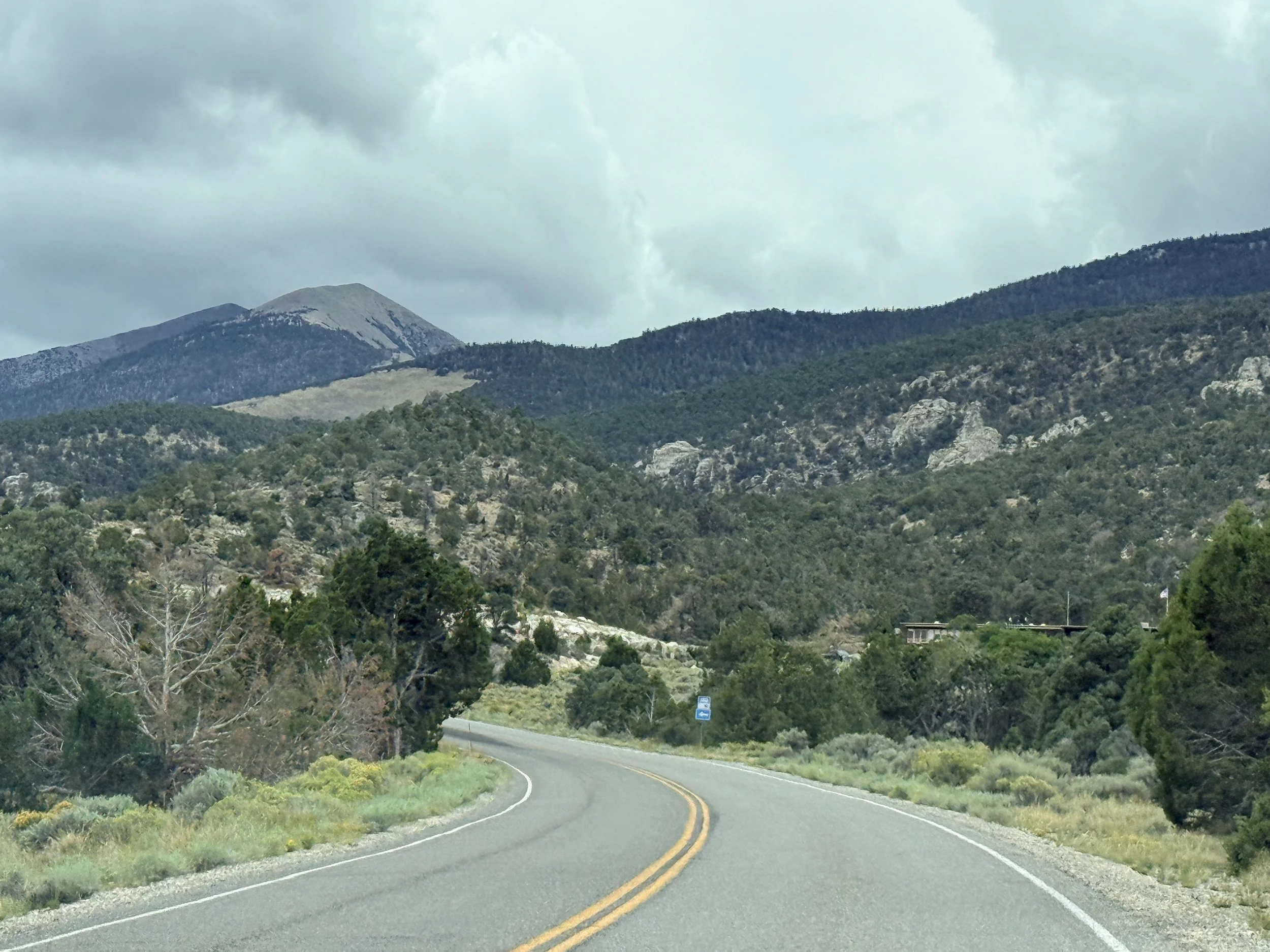
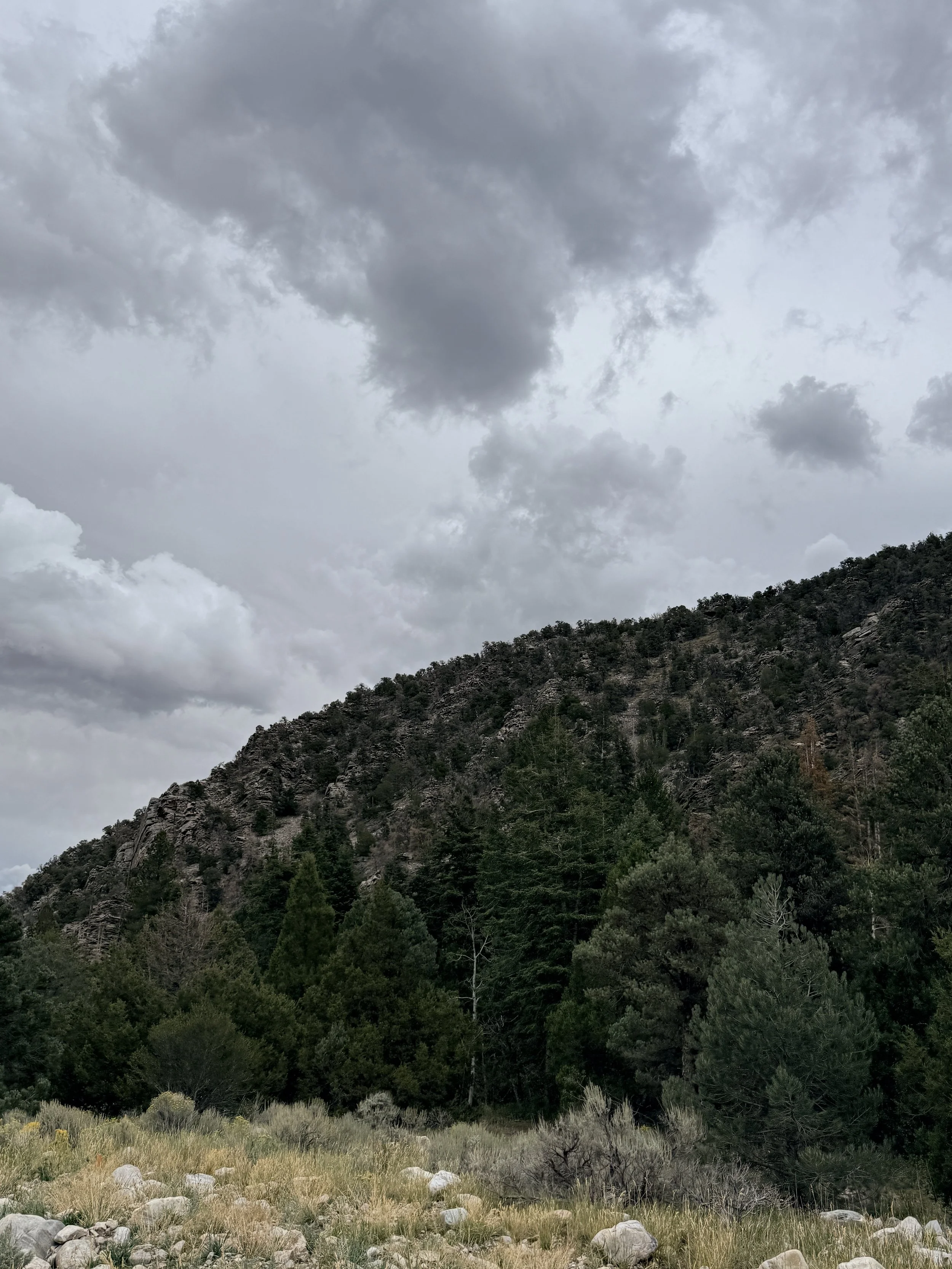
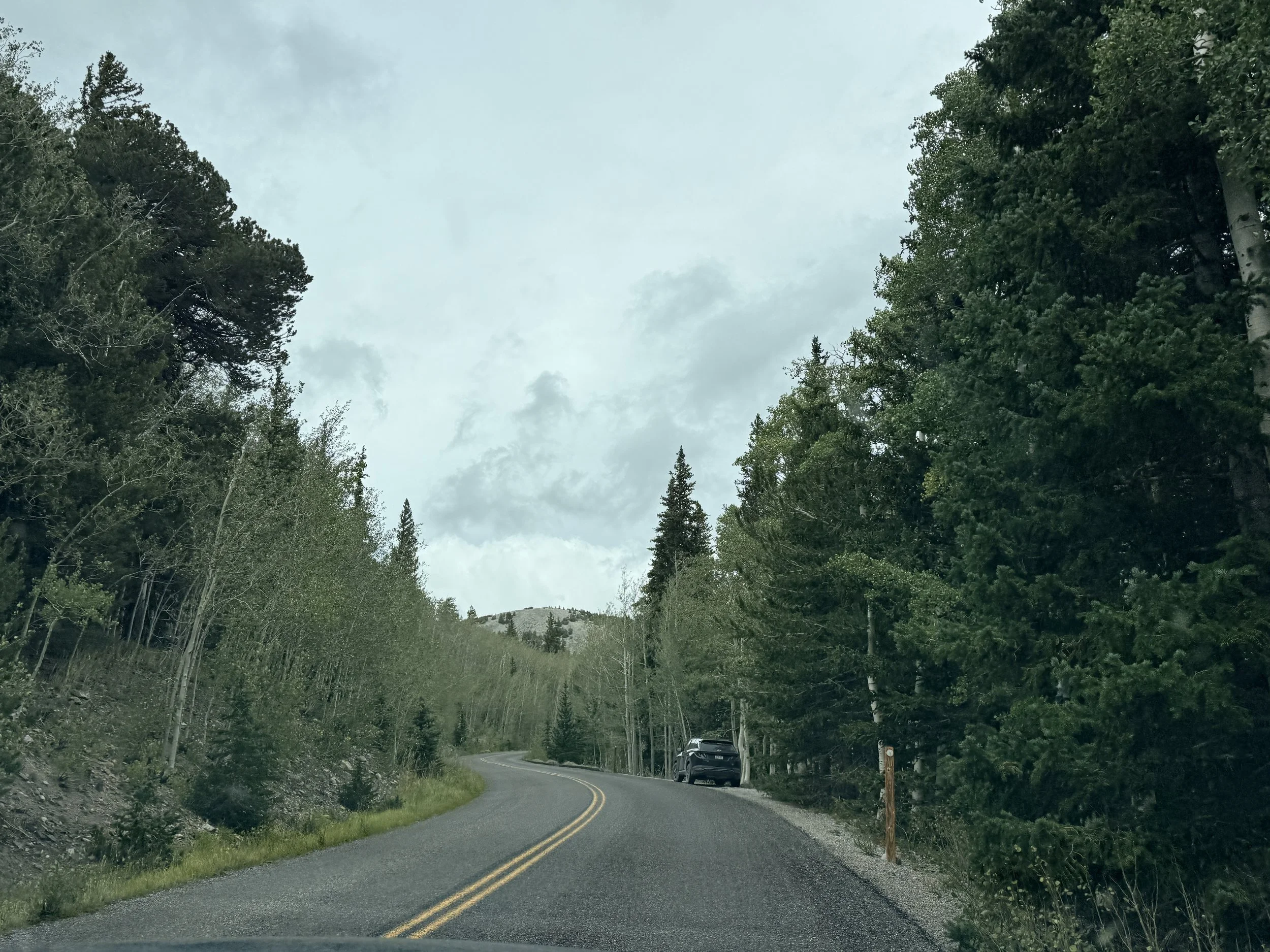
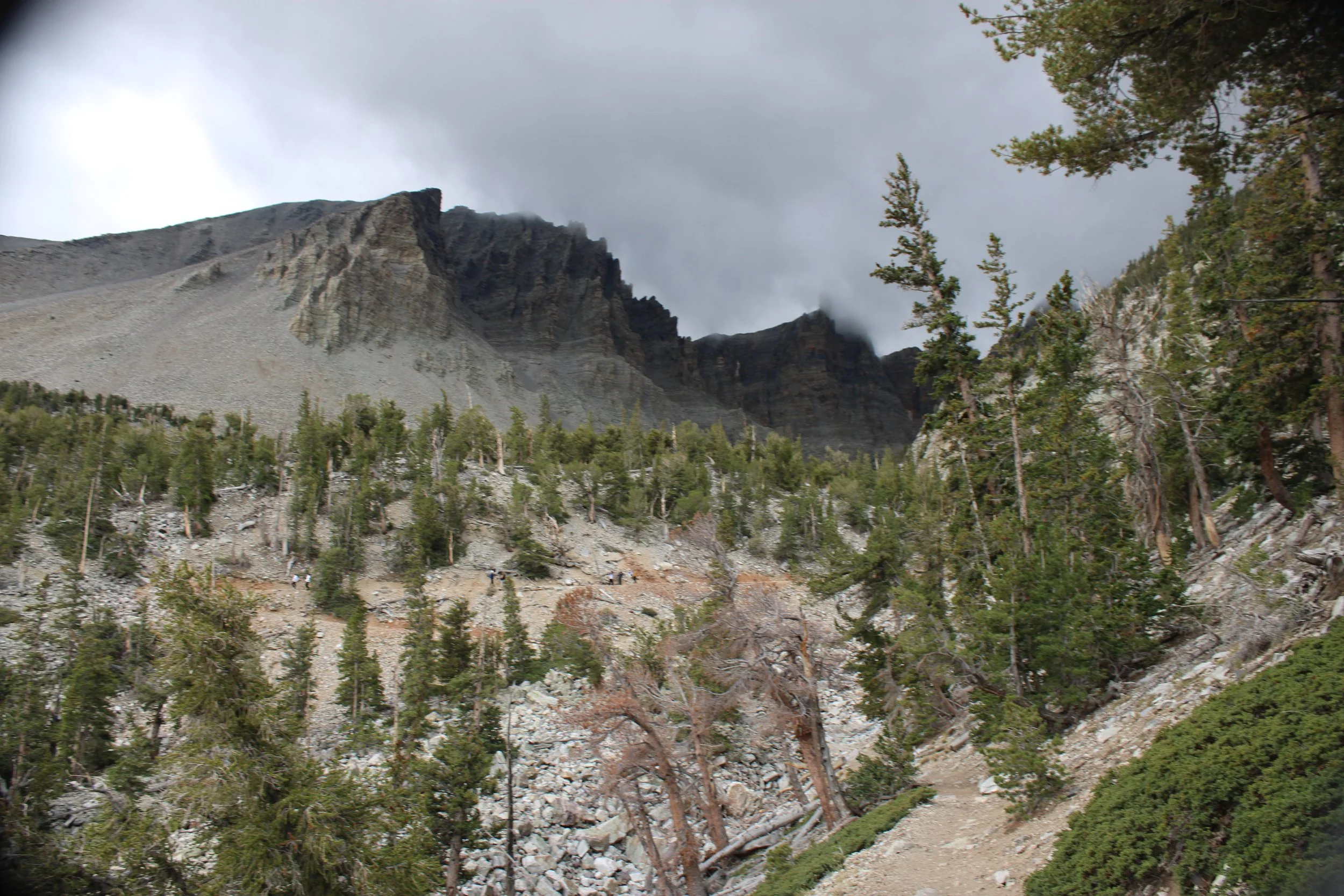
The drive toward Wheeler Peak itself shows just how dramatically the park changes with elevation. In only 12 miles, Wheeler Peak Scenic Drive climbs more than 4,000 feet, traveling from sagebrush desert to subalpine forest at more than 10,000 feet.
Holly Abroad tip:
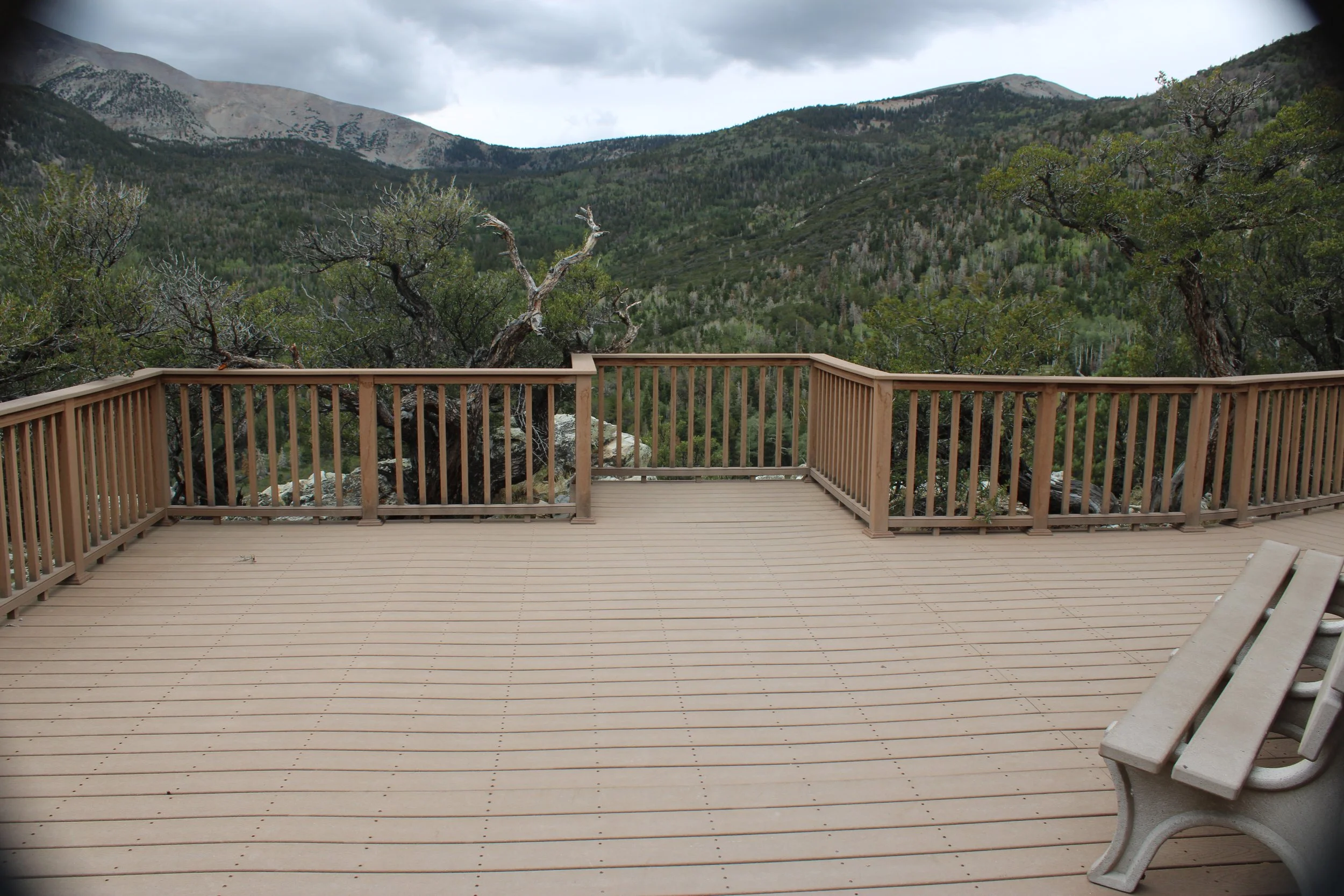
Great Basin isn't a park where you see one landscape. Part of the fun is watching Nevada's high desert transform as you climb toward Wheeler Peak. Give yourself time to stop at the overlooks instead of treating the road simply as transportation.
Essential History & Archaeology
More Than 12,000 Years of Human History
People have lived in the Great Basin region for more than 12,000 years. The archaeological record includes Paleo-Indian and Archaic peoples, followed by Fremont communities and later Shoshone people whose descendants continue to live in the region today. National Park Service
The Fremont lived in this area roughly 1,500–700 years ago, combining hunting and gathering with agriculture. Evidence of their presence survives in the region through archaeological sites, pottery and rock art.
Don't Skip: Baker Archaeological Site
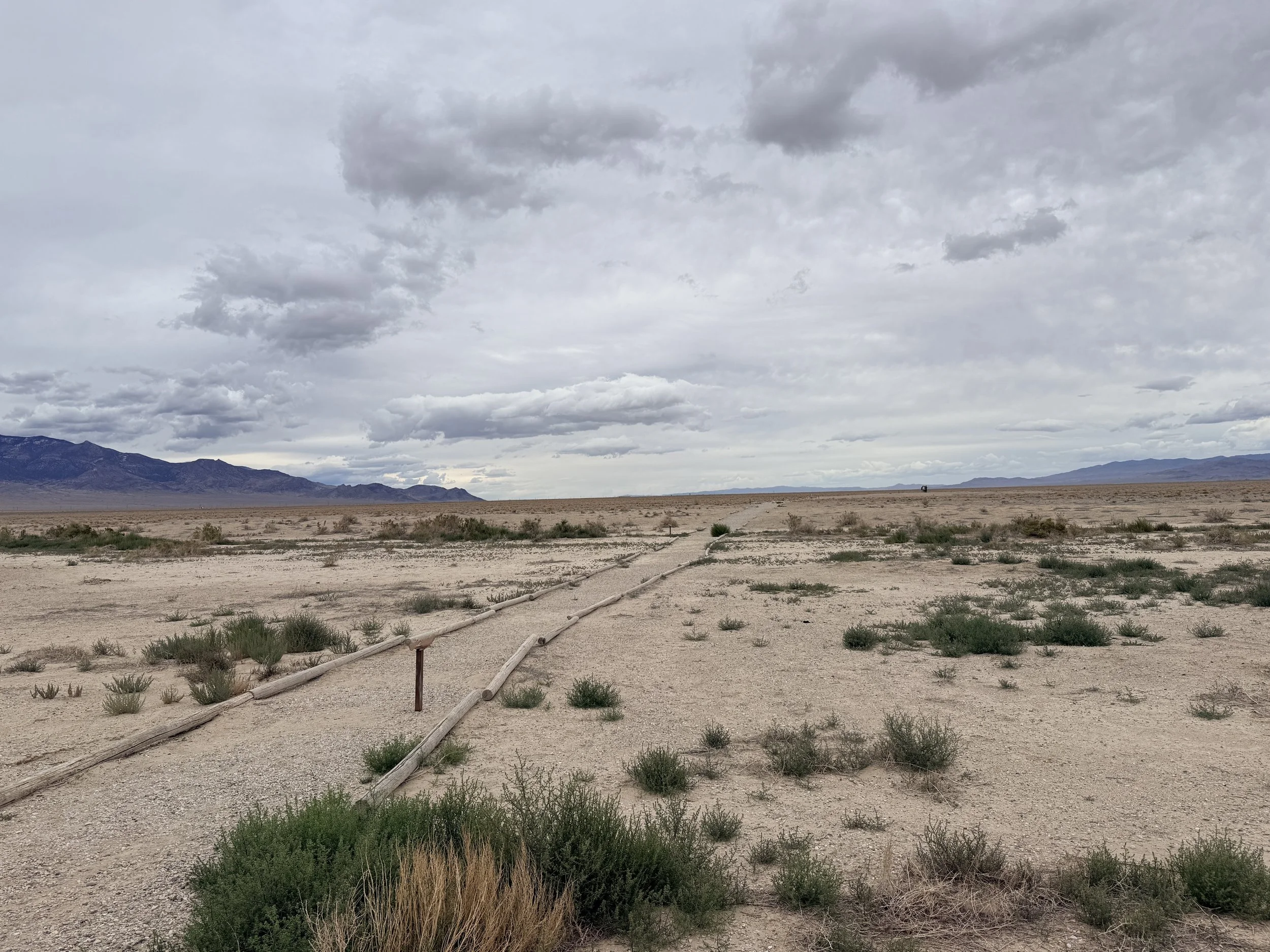
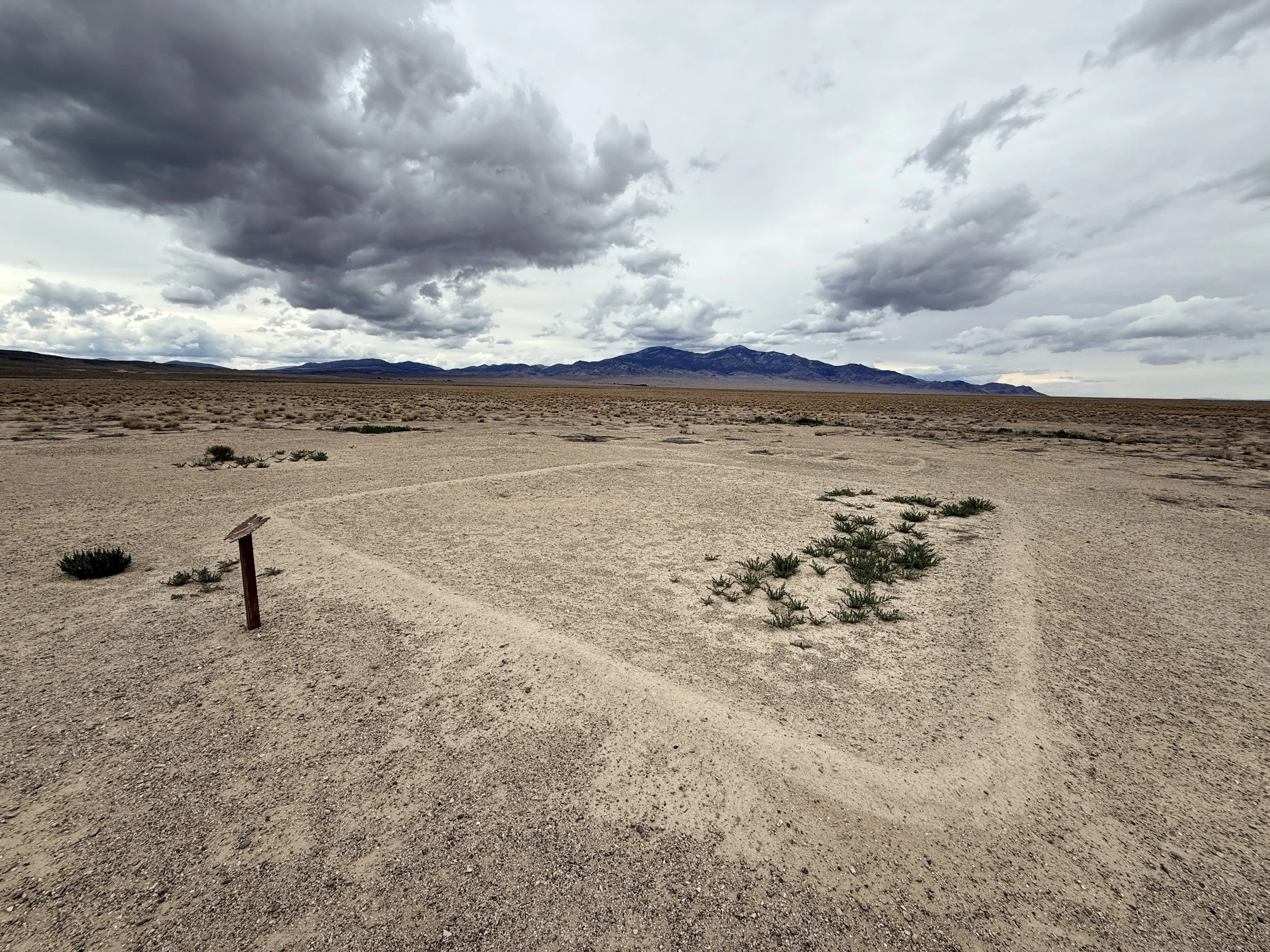
Just outside the park near Baker is the Baker Archaeological Site, the remains of a Fremont village occupied approximately 1220–1295 CE. Archaeologists uncovered more than 15 buildings arranged in an organized settlement. The site was reburied after excavation to protect it, so the walls visible today are modern reconstructions rather than the original foundations.
Holly Abroad history note:
There may not be dramatic ruins rising from the desert, but that's part of the lesson here. Archaeology isn't always about monumental remains. Sometimes the landscape itself—and what archaeologists have learned from it—is the story.
Best Scenic Drive
Wheeler Peak Scenic Drive
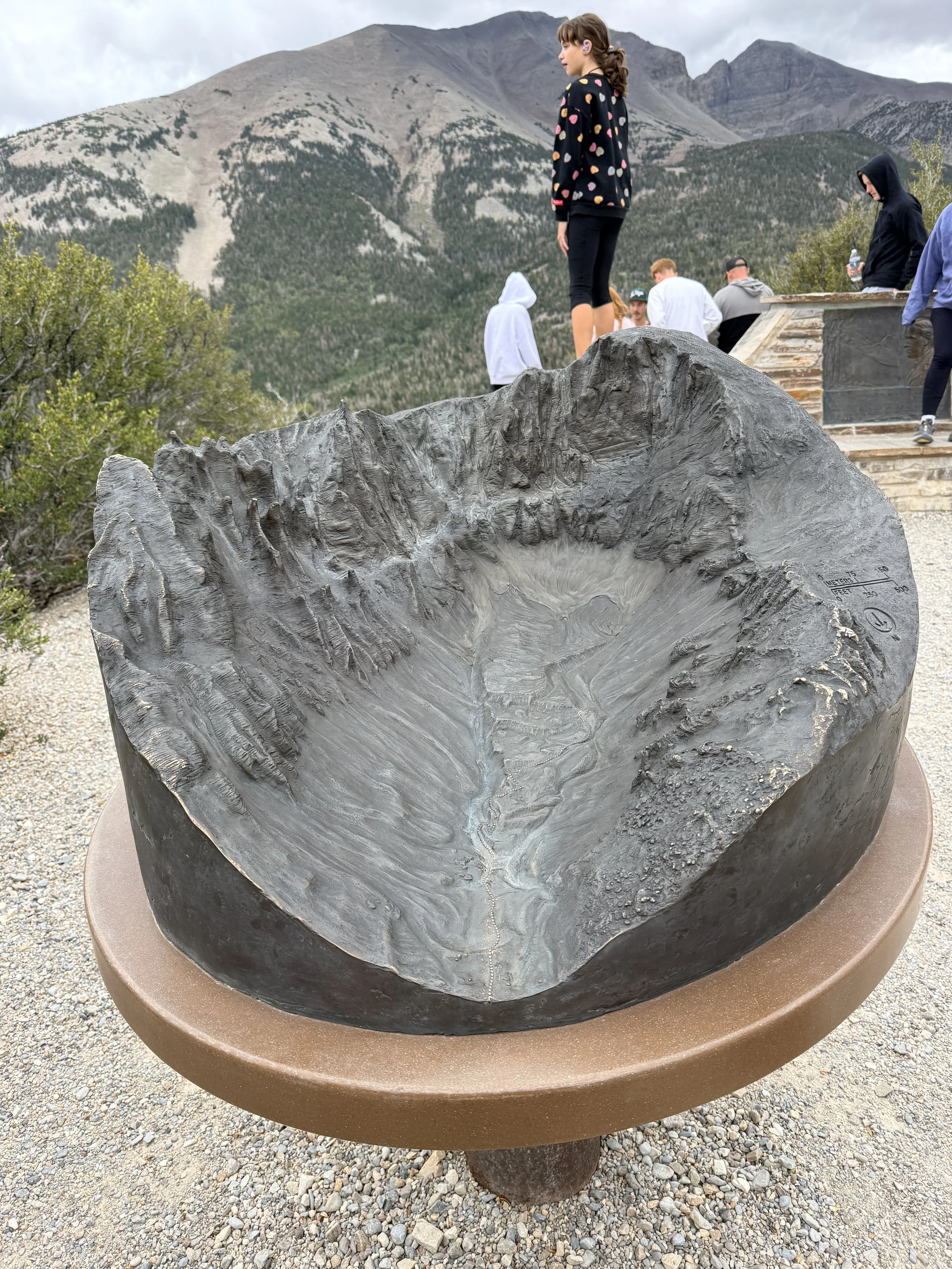
Wheeler Peak Scenic Drive travels 12 paved miles from the park boundary to elevations above 10,000 feet. Along the way, the road gains more than 4,000 feet and passes through dramatically different ecological zones before reaching the high country beneath Wheeler Peak. Pullouts provide views across Snake Valley and toward Wheeler Peak and the surrounding Snake Range. National Park Service
BE AWARE: The road is steep, narrow and winding, with an average grade of about 8%. Vehicles and trailers longer than 24 feet aren't permitted beyond Upper Lehman Creek Campground. The upper portion is generally open roughly June through October, depending on weather.
Holly Abroad tip:
Don't rush this drive. The changing landscape is part of the attraction. Stop at the overlooks, take pictures and watch the desert disappear beneath you as you climb.
One Overlooked Holly Abroad Discovery
The Historic Lehman Orchard
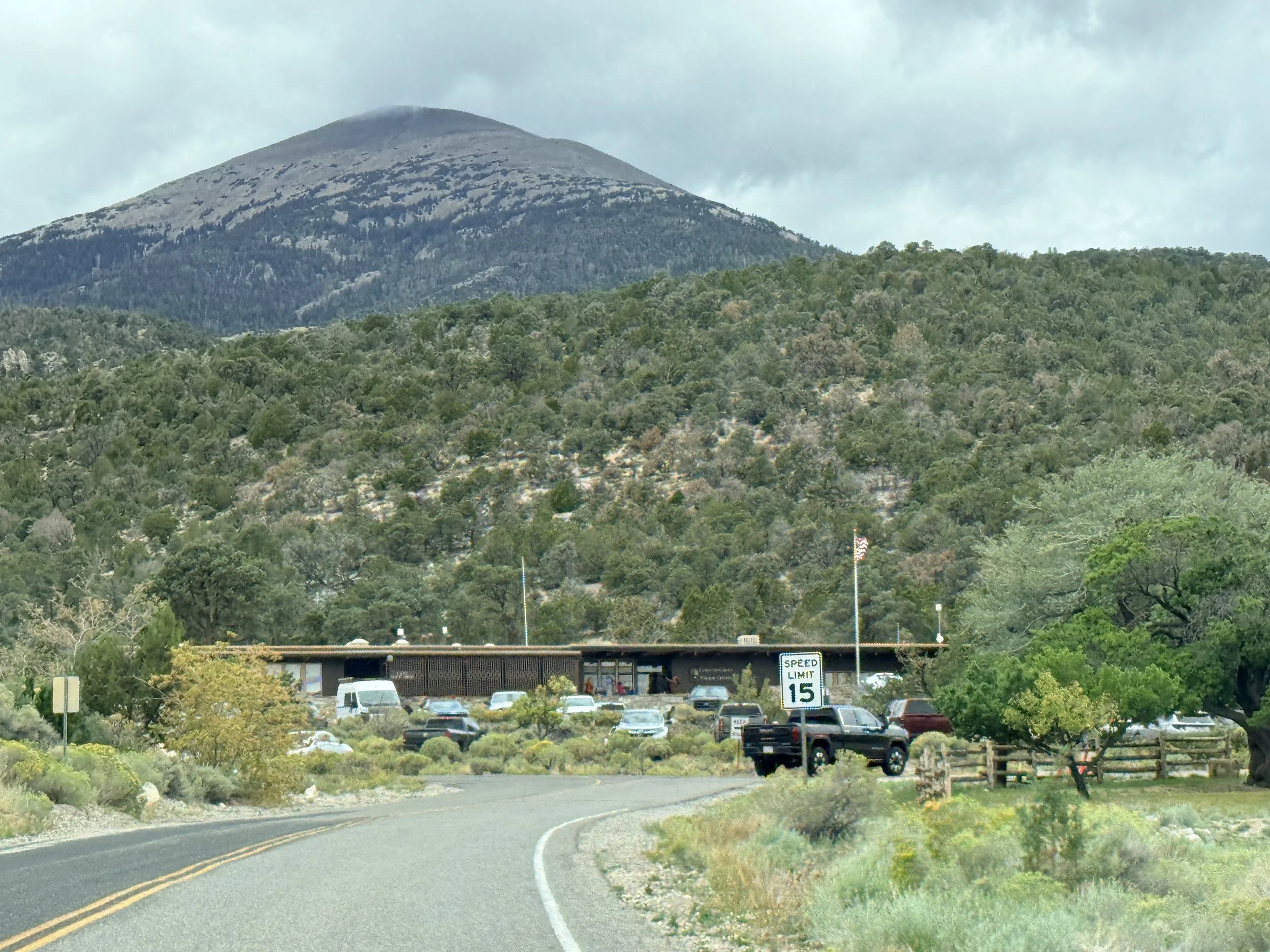
Absalom Lehman established a ranch here in the 1870s, and trees from his orchard still survive near the Lehman Caves Visitor Center. Today there's a short boardwalk with interpretive signs and a bench.
Restored by the National Park Serivce
Absalom Lehman planted the orchard—featuring apricots, pears, peaches, and apples—in a challenging high-desert environment by building a two-mile-long irrigation aqueduct from Lehman Creek. Today, the restored orchard includes new trees and irrigation, the small orchard is easily missed…I almost did! I walked right past and neglected to take a picture of the precious little bench and boardwalk. That will be corrected in future posts!
Plus-Size Comfort & Accessibility
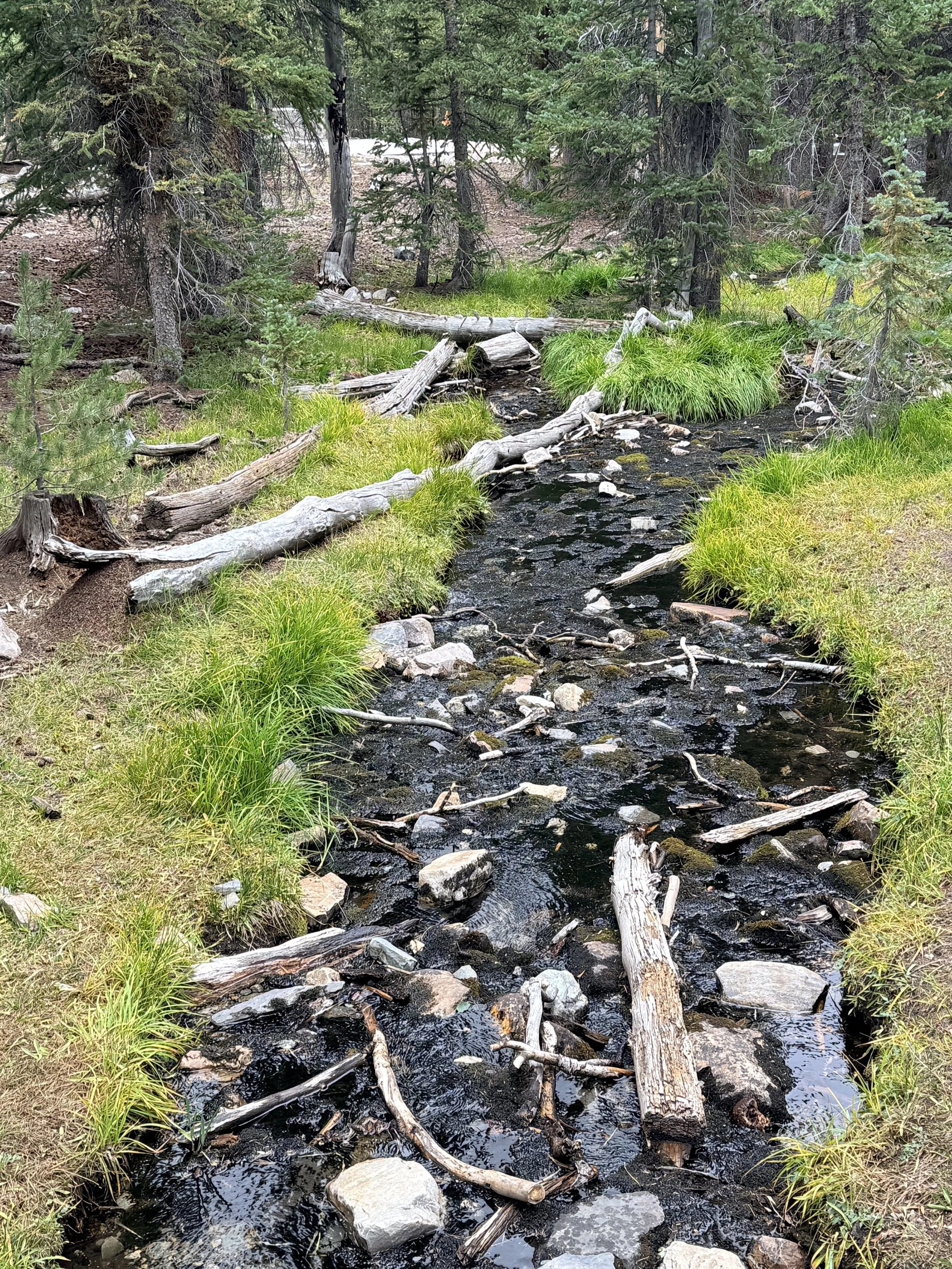
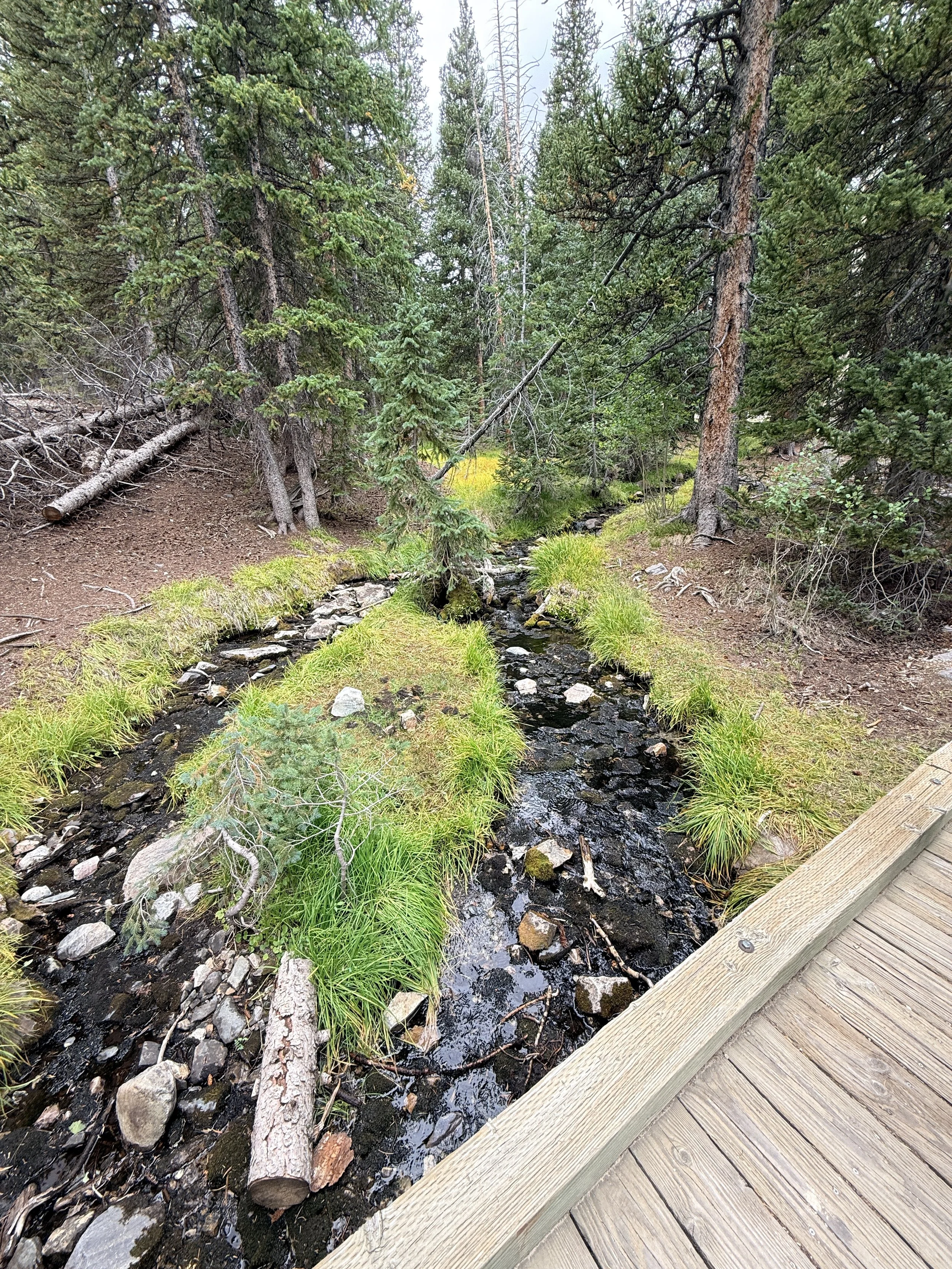
Great Basin can be enjoyed without tackling its most difficult trails. Accessible parking and restrooms are available at developed locations, and several short overlooks and boardwalks provide opportunities to experience the park with relatively little walking. These include the Historic Orchard boardwalk, Upper Lehman Creek wetland boardwalk, Mather Overlook and Wheeler Peak Overlook.
The Astronomy Amphitheater is accessible and includes built-in seating and wheelchair spaces. Cave accessibility is more complicated: NPS notes that the historic cave entrances don't meet modern ADA standards, although limited first-room experiences may sometimes be available depending on staffing and individual needs.
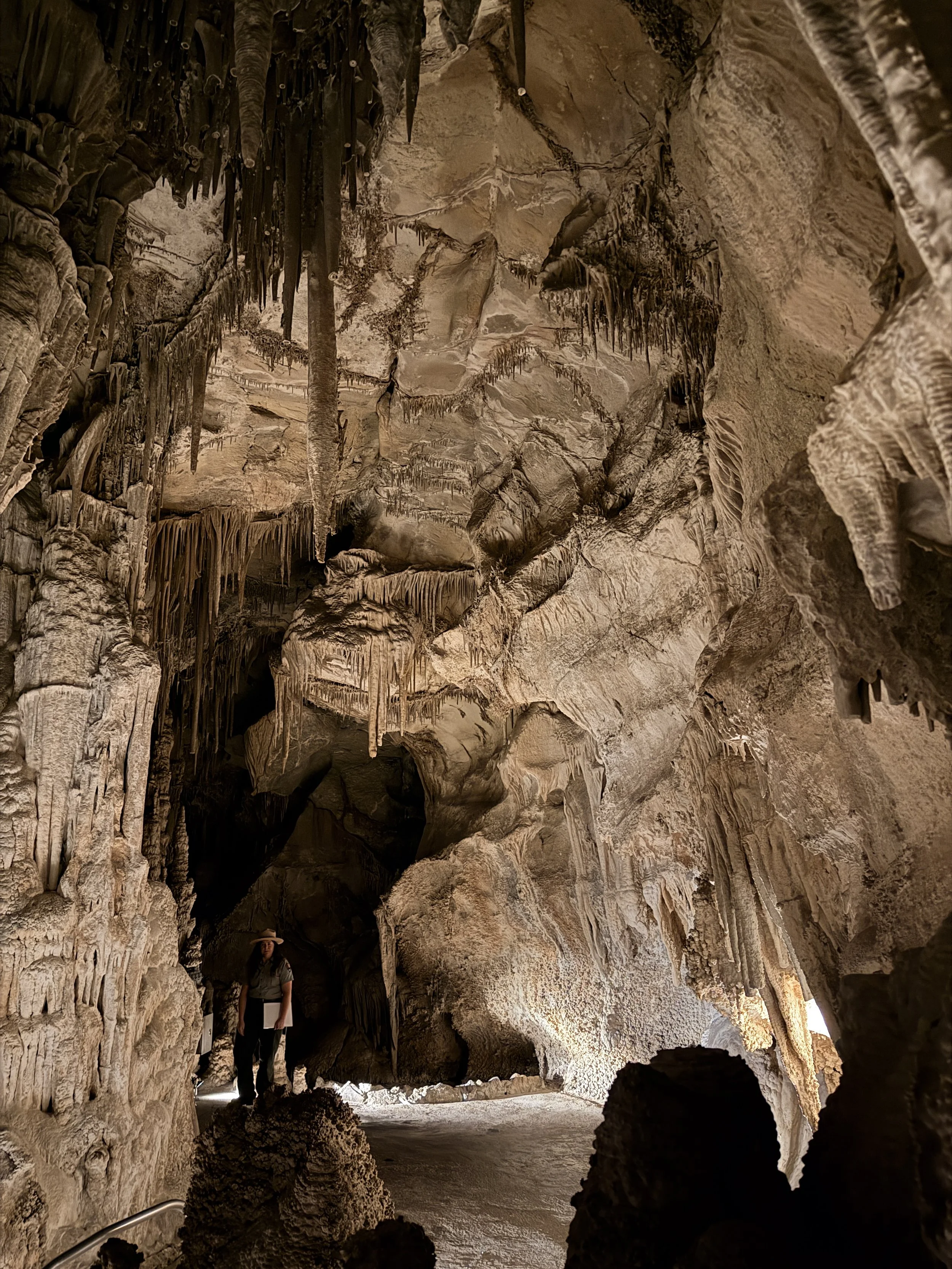
My Experience
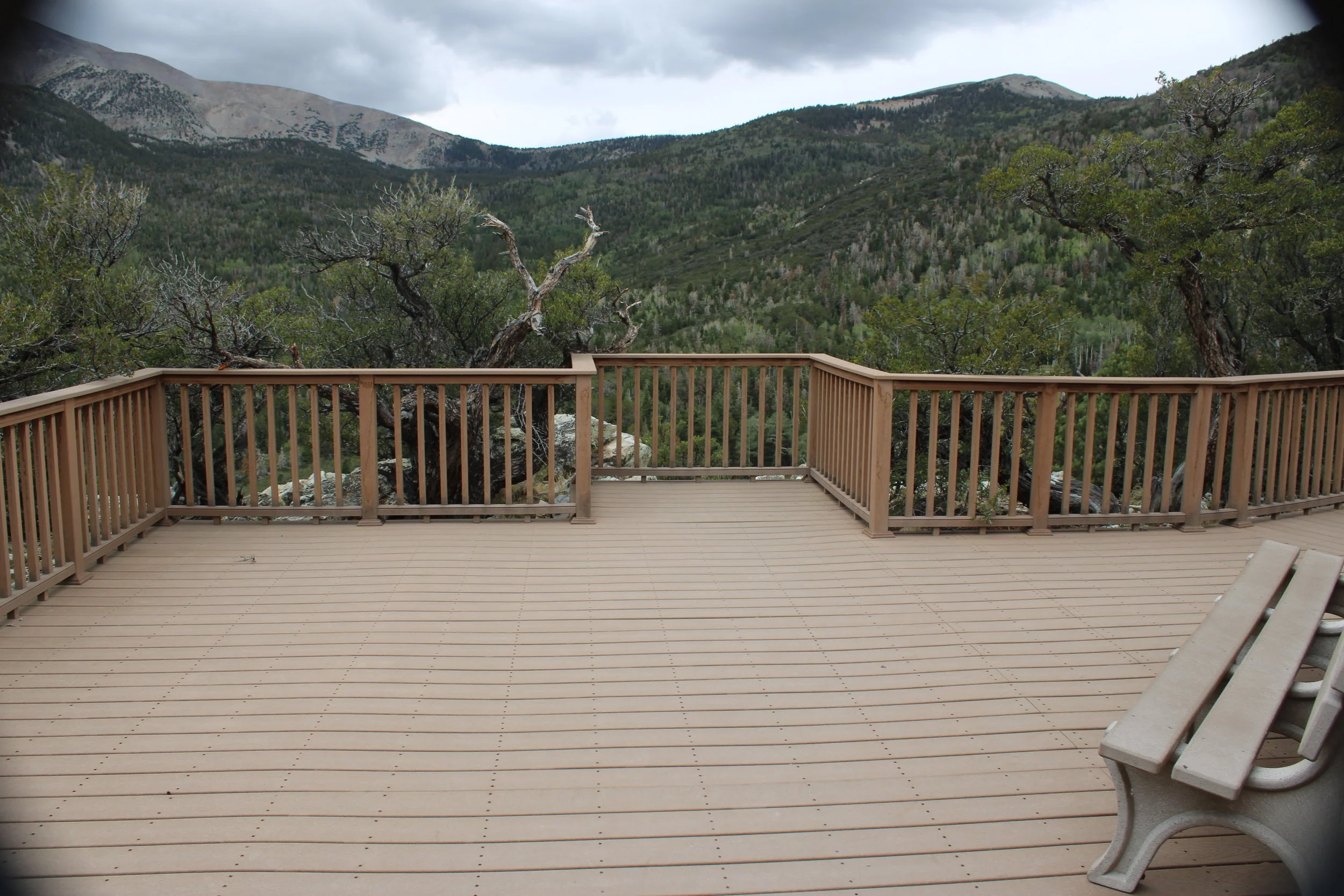
Great Basin was planned as a trip for my mother, who uses a wheelchair, and my sister and I were impressed by the accessibility of parts of the park. There are even accessible options for experiencing Lehman Caves for visitors with mobility or other accessibility needs. We found wide viewing platforms, seating and short developed paths that made it possible to enjoy the park without committing to difficult hikes.
It is truly a wonderful place with more ways to experience it than I expected. The Astronomy Amphitheater offers ranger talks and stargazing beneath Great Basin's famously dark skies, along with spectacular views across the surrounding landscape.
Realistic Trip Length
2–3 days for a first visit
One day can give you a surprisingly good introduction to Great Basin if you're passing through—especially Wheeler Peak Scenic Drive, overlooks and the Lehman Caves area.
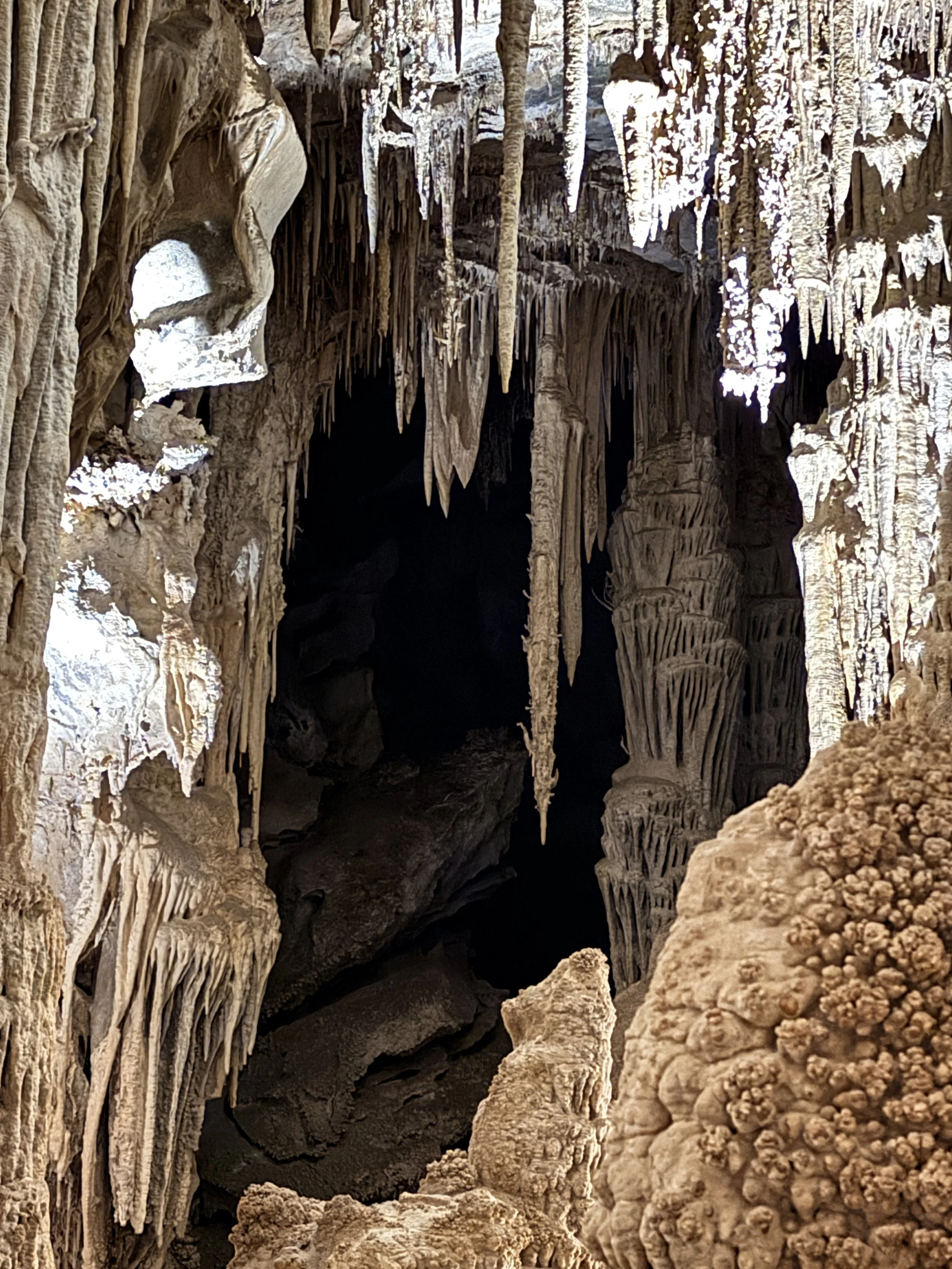
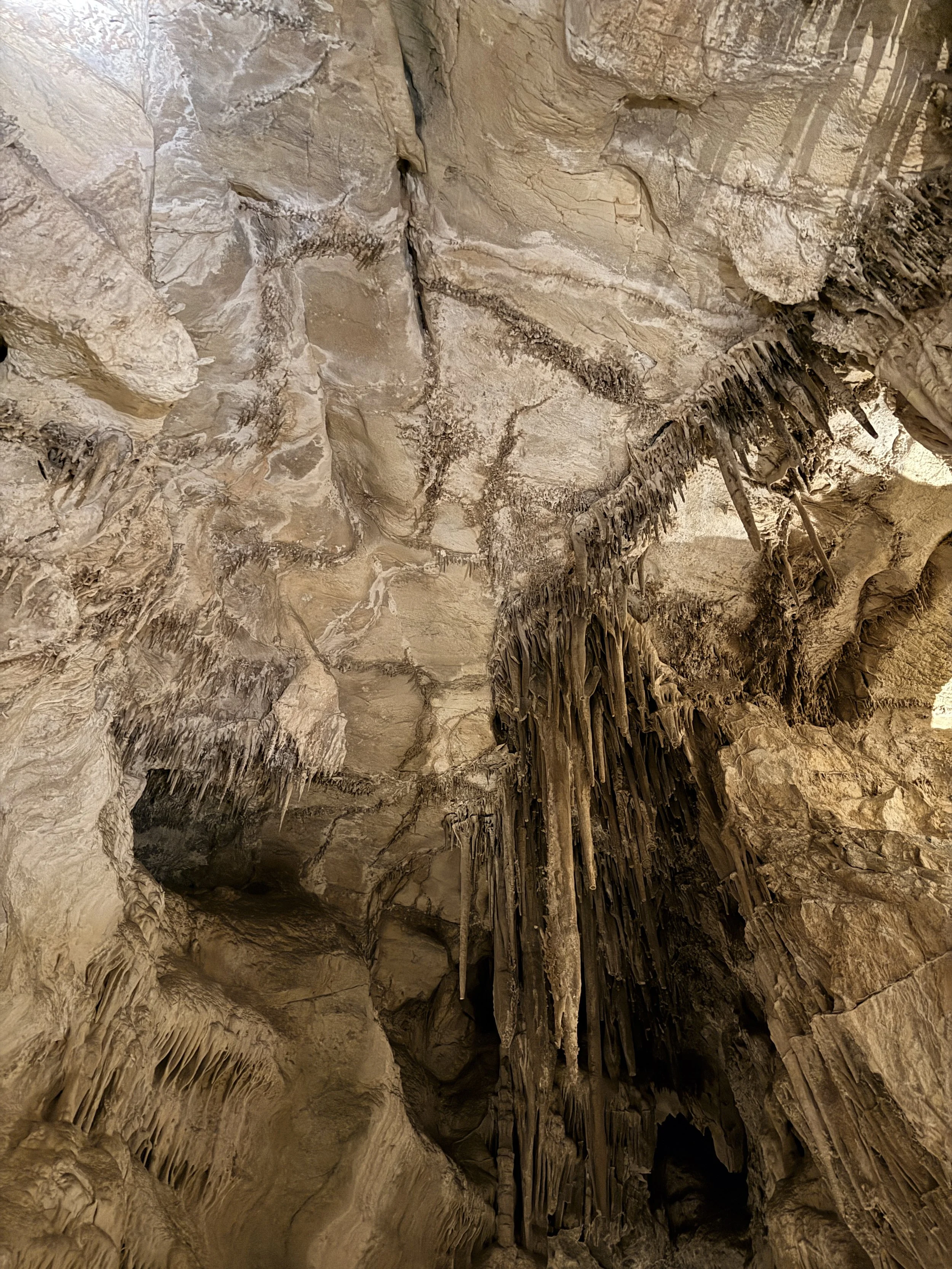
Two days gives the park room to breathe. You can add a cave tour, short hikes, the bristlecone pines and an evening beneath Great Basin's dark skies without racing from place to place.
Three days gives you time for longer hikes, archaeology/history, wildlife, stargazing and the surrounding Baker/Snake Valley area.
Holly Abroad reminder: Remote doesn't mean there's nothing to do. Great Basin rewards travelers who slow down. We were there for two days. A ranger talk and stargazing on the first night of arrival, a full day of Lehman caves and a hike to the bristlecone grove, and the next morning in the Baker archaeological site to finish it off. It would have been nice for a few more hours to enjoy a seond or longer hike, but the pace we set suited us well and made for an excellent introduction to a truly magnificent place.
Best Season
Late spring through early fall — with early fall my pick
The park itself is open year-round, but high-elevation access changes dramatically with weather. The upper Wheeler Peak Scenic Drive is generally accessible by vehicle from around late May into fall; winter snow closes the upper road to vehicles. Summer brings the fullest range of ranger programs and activities but also afternoon heat and thunderstorms. National Park Service
Holly's choice: Early fall
Cooler temperatures, beautiful high-country scenery and fewer of the summer heat concerns.
Would I visit at that time again?
Absolutely and I definitely will.
I was there in September and the cooler temperatures were welcome. The weather in this part of Nevada can be a bit unpredictable with high winds and rain or even snow. Be prepared and bring bring layers and head protection that won't blow away.
The Holly Abroad Comfort Guide
Getting Around: 🟢 Good — A surprising amount of the park can be experienced by car, particularly along Wheeler Peak Scenic Drive.
Walking: 🟢🟡 Highly Flexible — Options range from overlooks and short boardwalks to strenuous high-elevation hiking.
Rest Opportunities: 🟡 Plan Ahead — Benches are available at several developed overlooks and accessible areas, but facilities become sparse away from developed locations.
Restrooms: 🟢 Good in Developed Areas — Accessible restrooms are available at campgrounds, picnic areas and several overlooks.
Heat & Sun: 🟡 Plan Ahead — Lower elevations can be hot while high elevations can feel dramatically different. Elevation and rapidly changing mountain weather matter here.
Crowds: 🟢 Generally Comfortable — Great Basin receives roughly 140,000 visitors annually, with Memorial Day through Labor Day identified by NPS as its busy season. National Park Service
Holly Abroad Reminder
You don't have to climb Wheeler Peak to experience Great Basin.
Great Basin Through My Lens
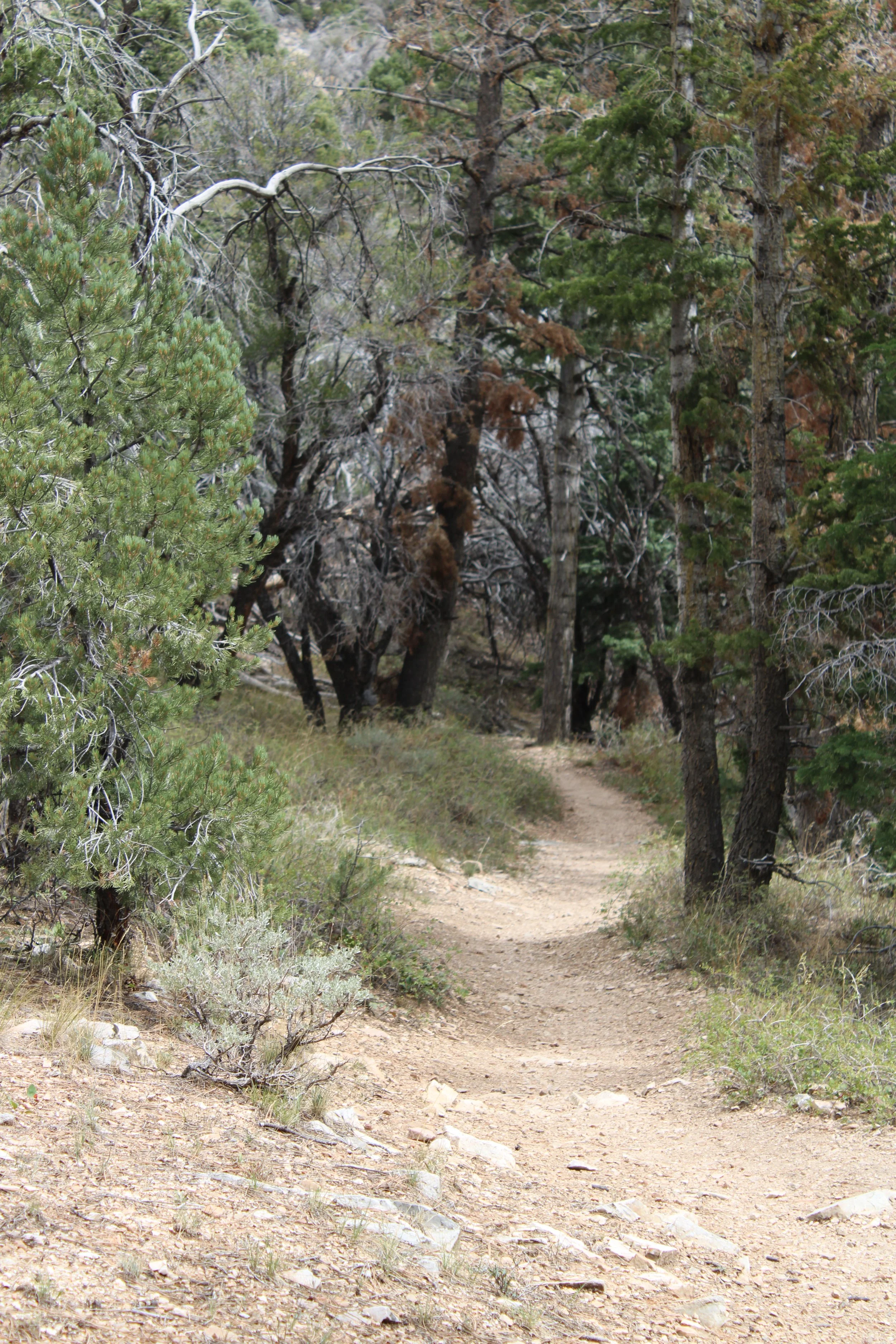
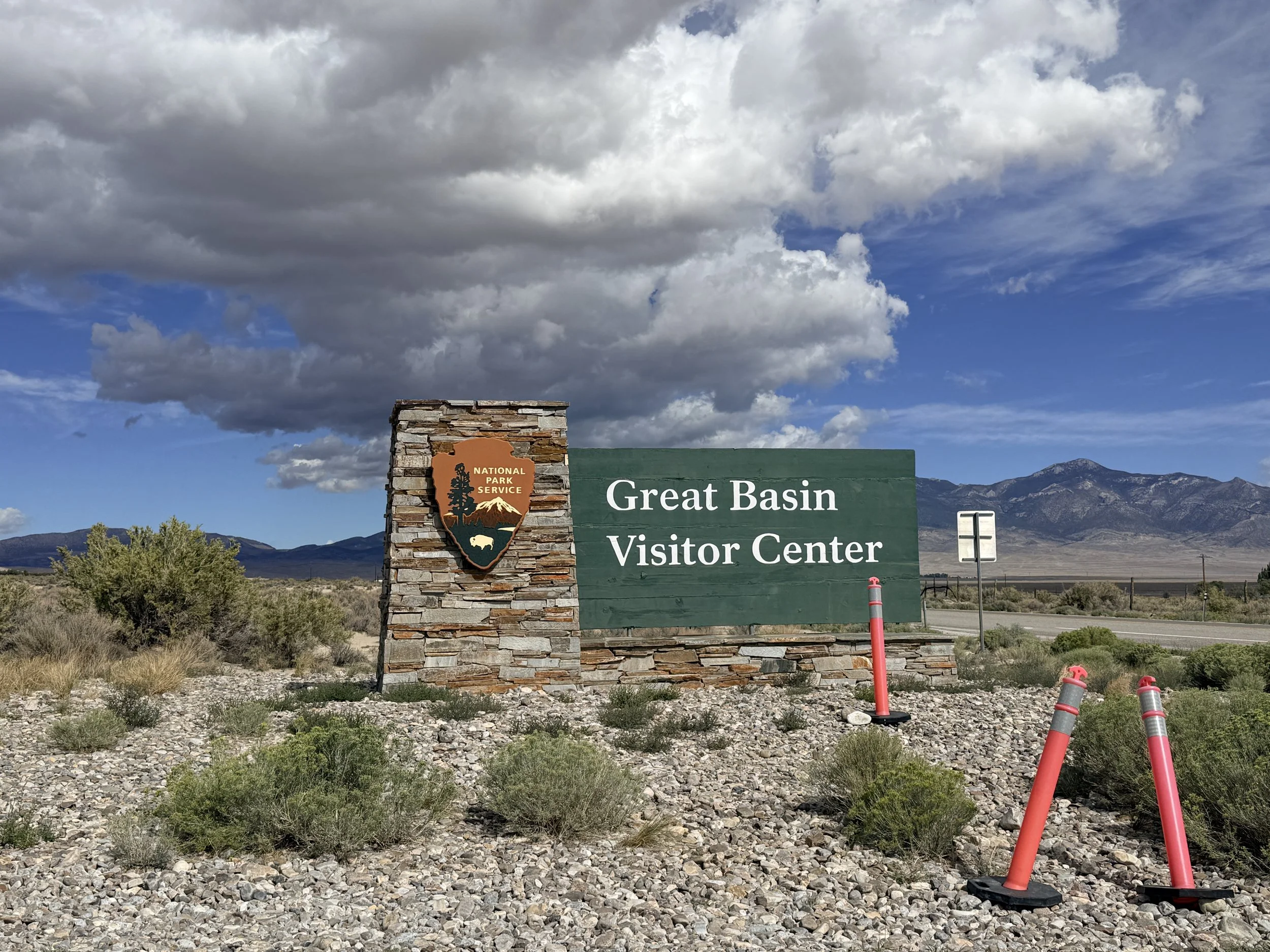
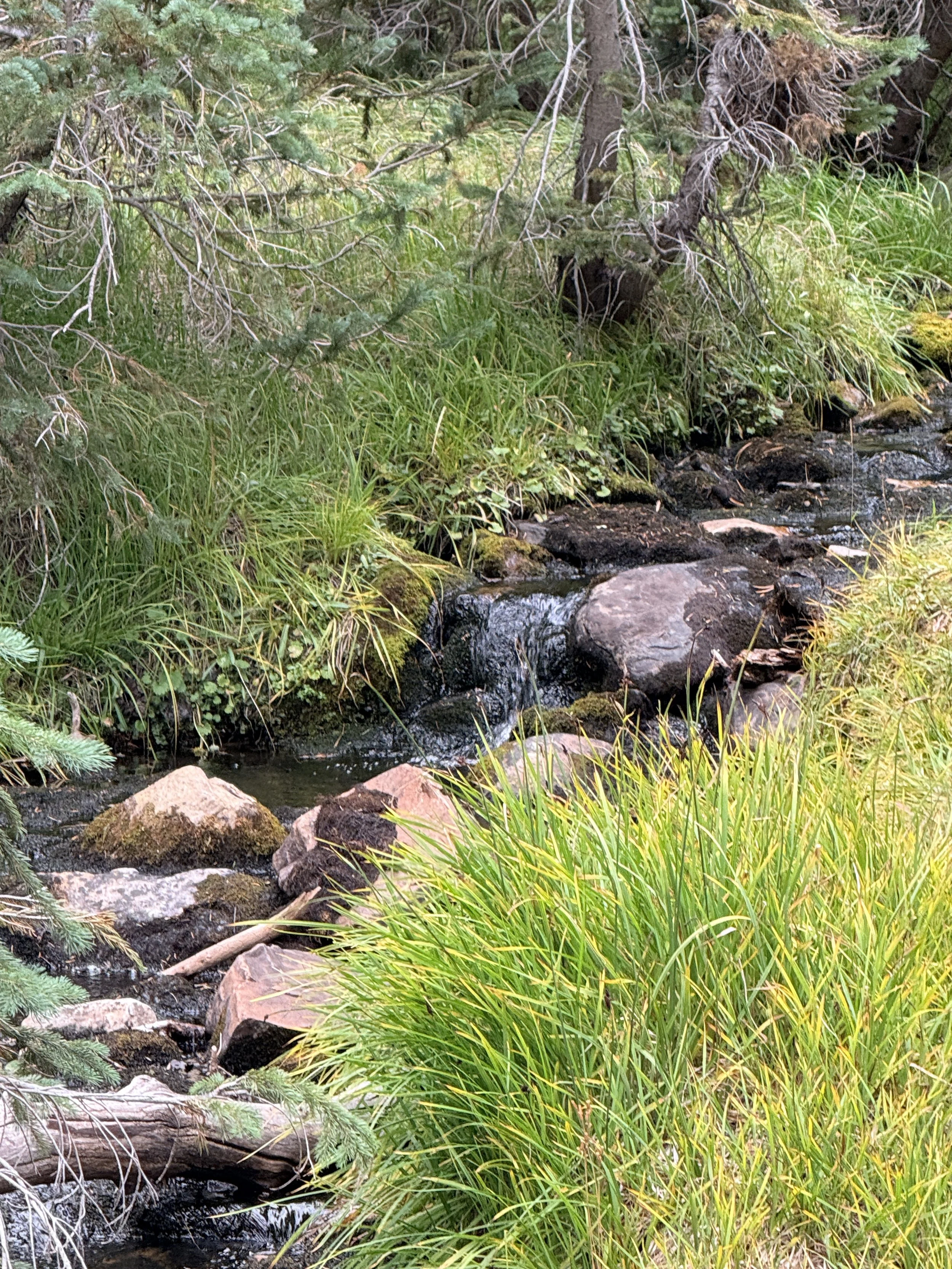
Desert roads, mountain views, ancient landscapes and little moments from my own visit to Great Basin.
Last updated September 2026