Utah | Established 1919
✓ HOLLY HAS BEEN HERE
The Holly Abroad Take:
Red cliffs, narrow canyons, ancient human history—and one of those places where the journey through the park is nearly as spectacular as the destination.
Signature Natural Feature
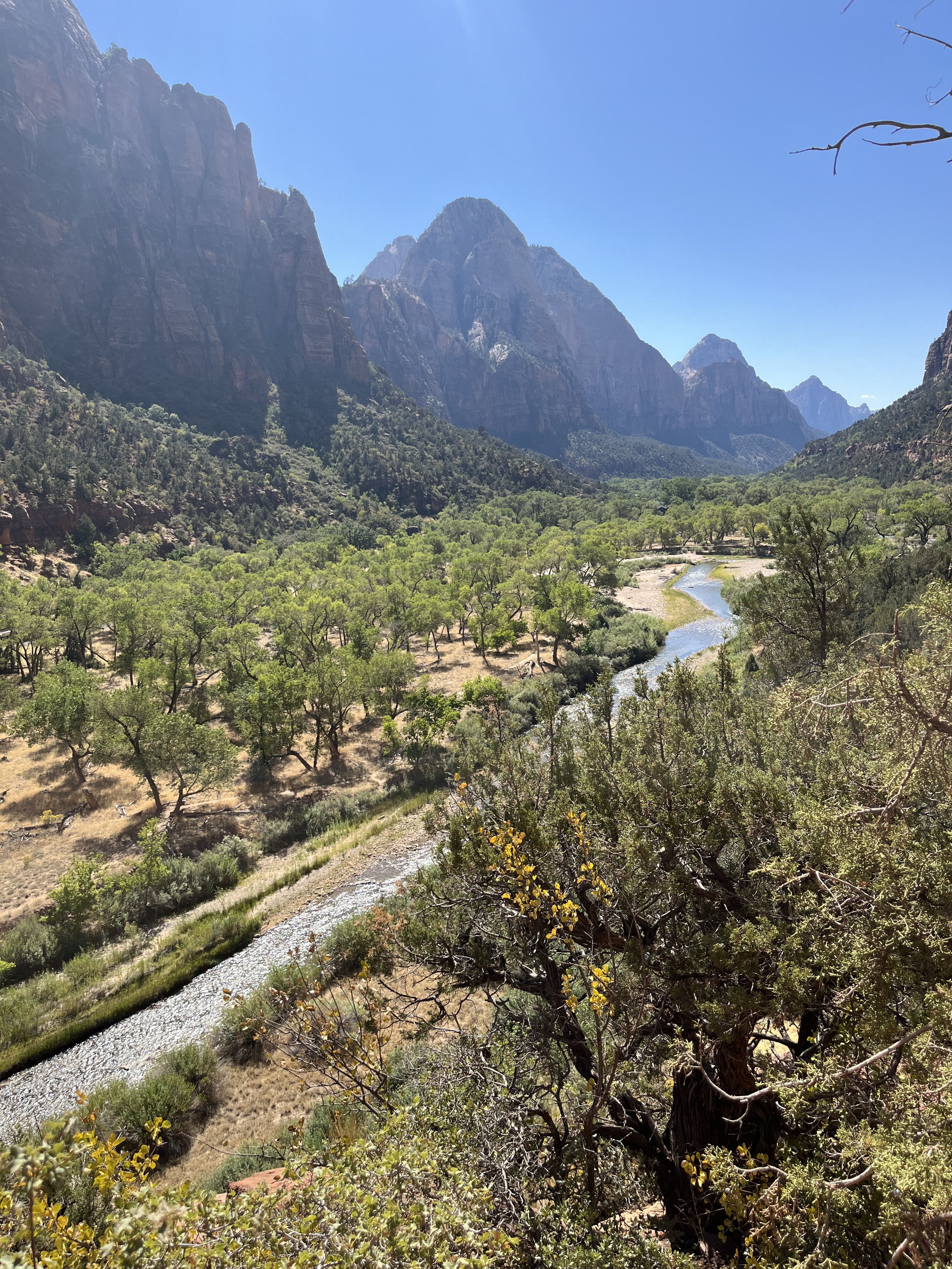
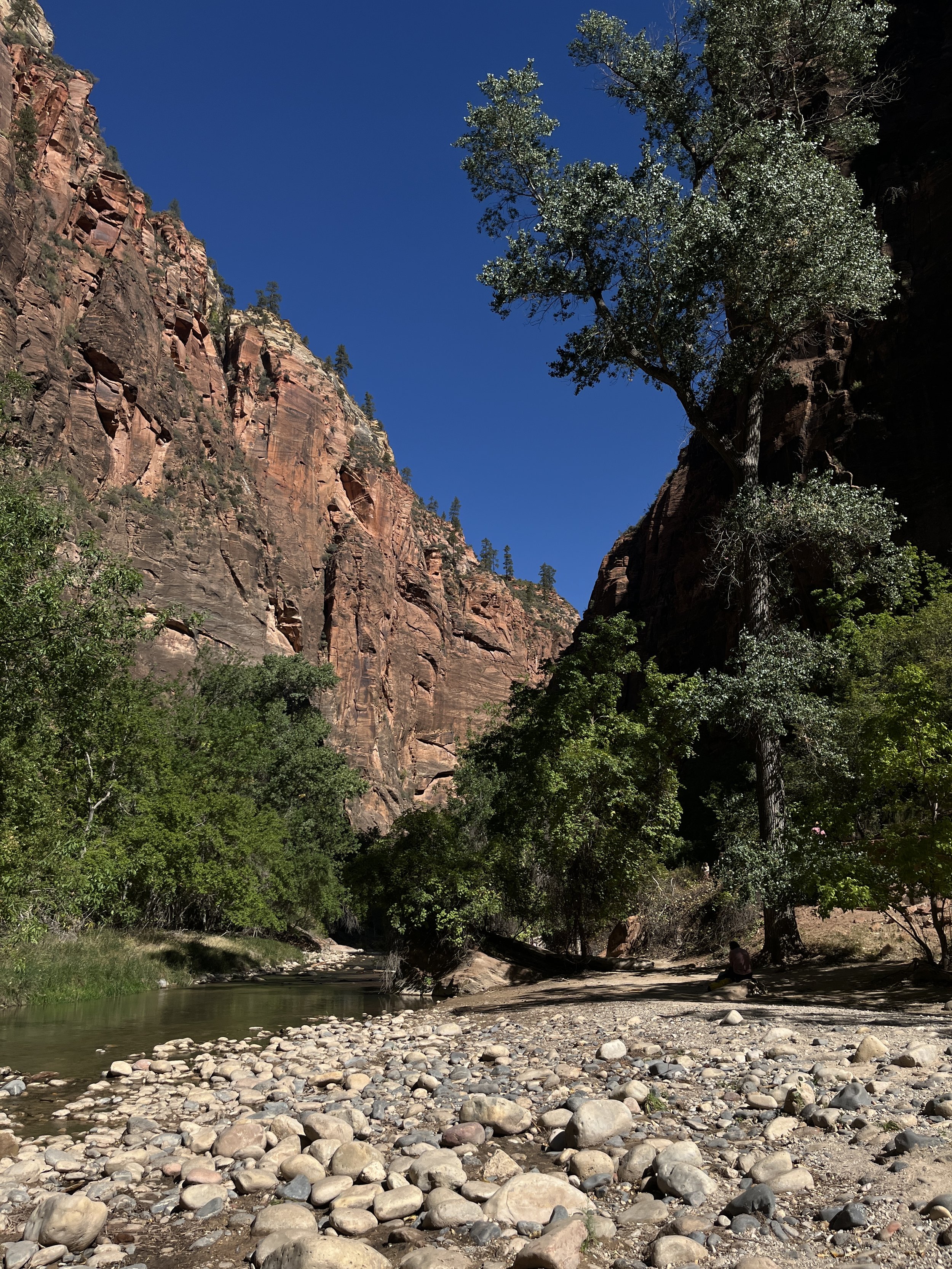
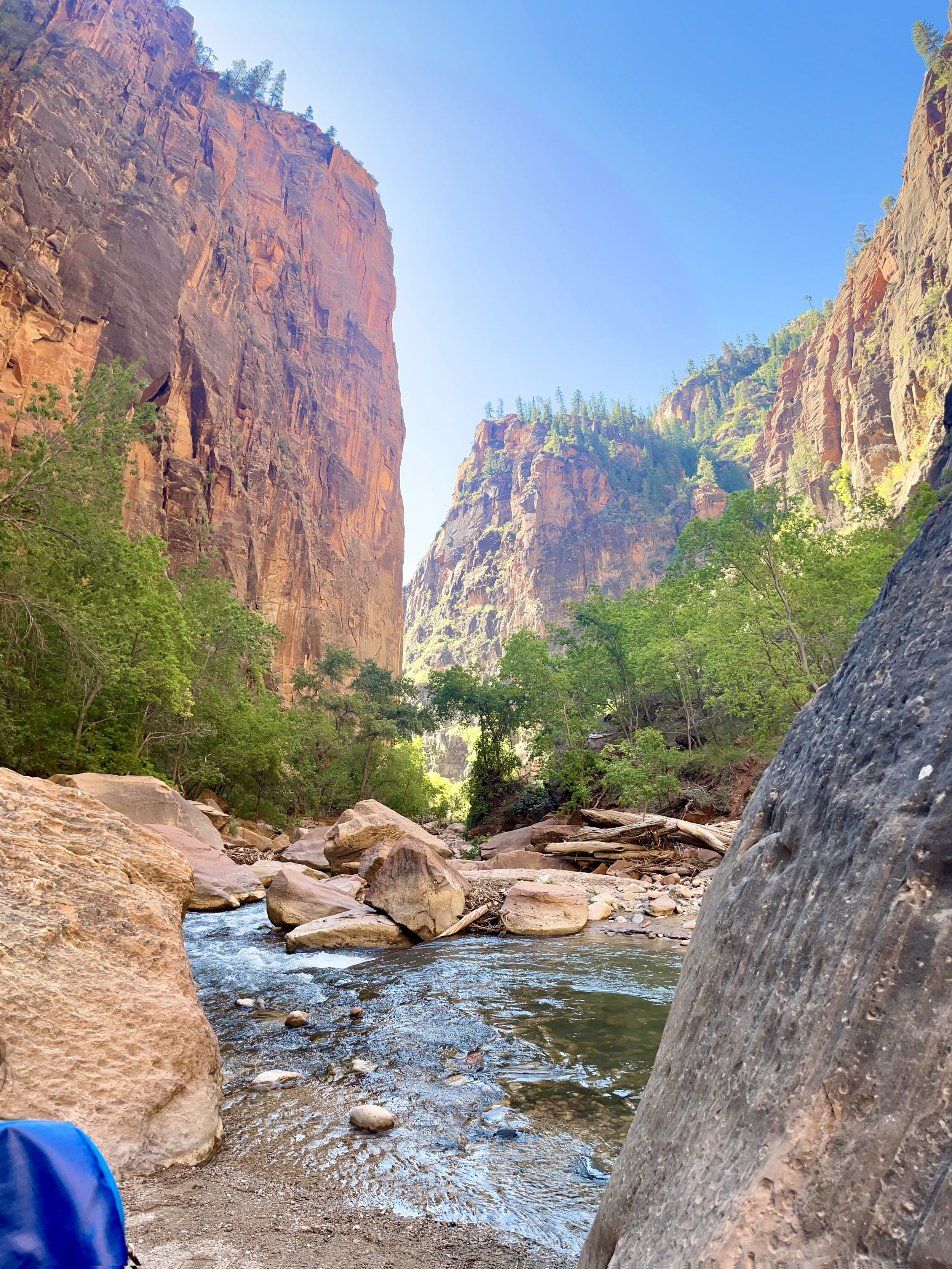
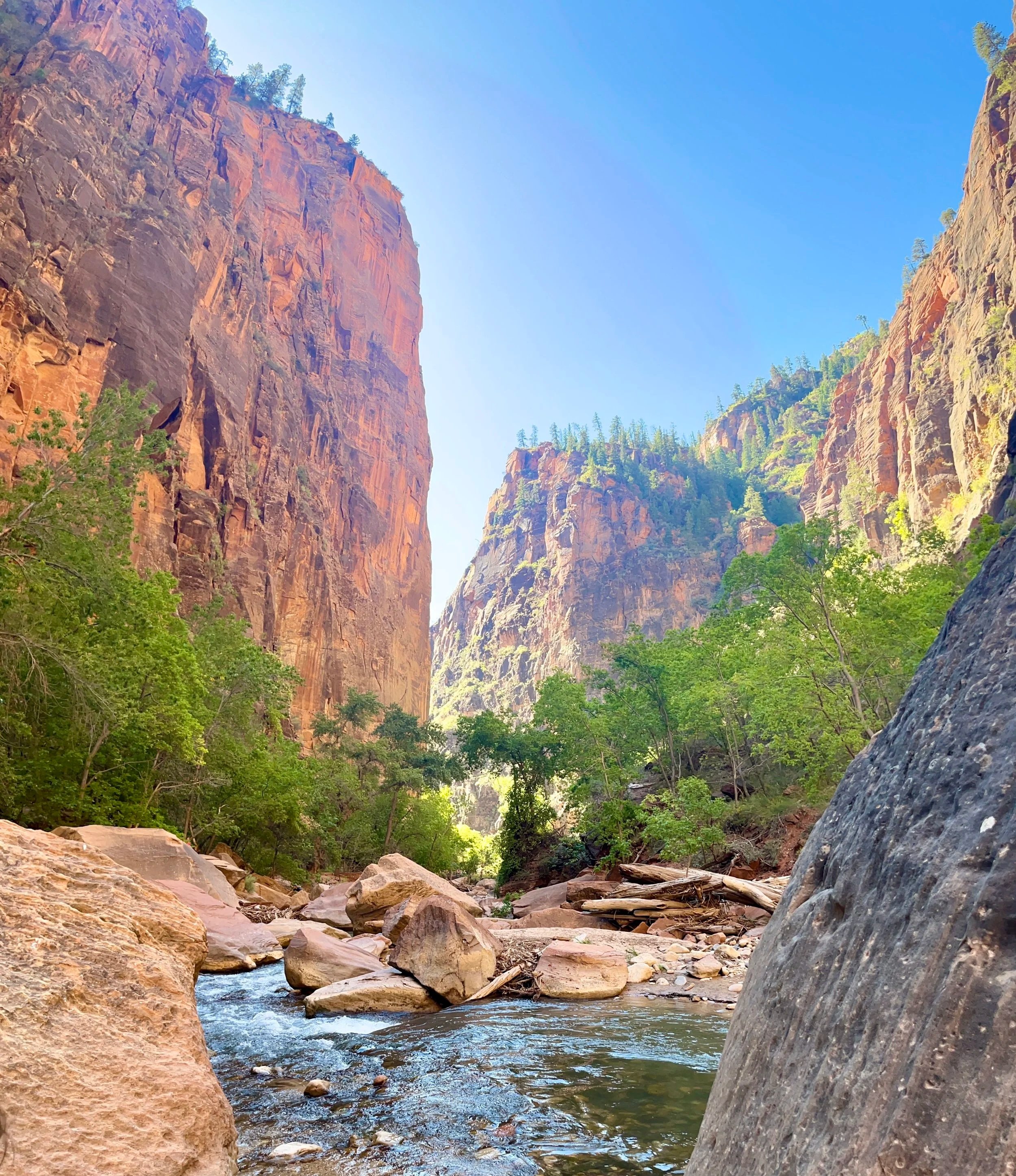
Zion Canyon & the Virgin River
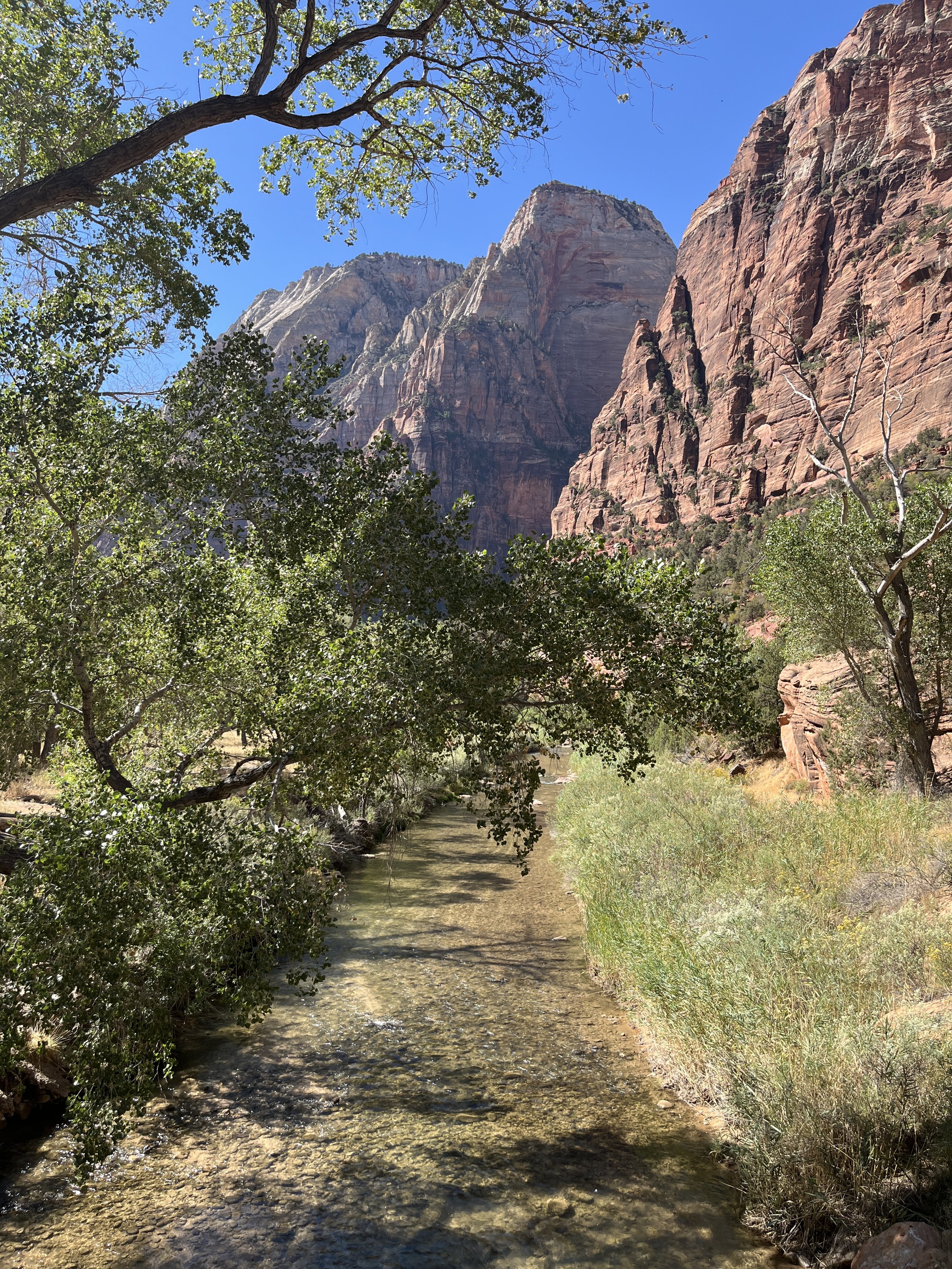
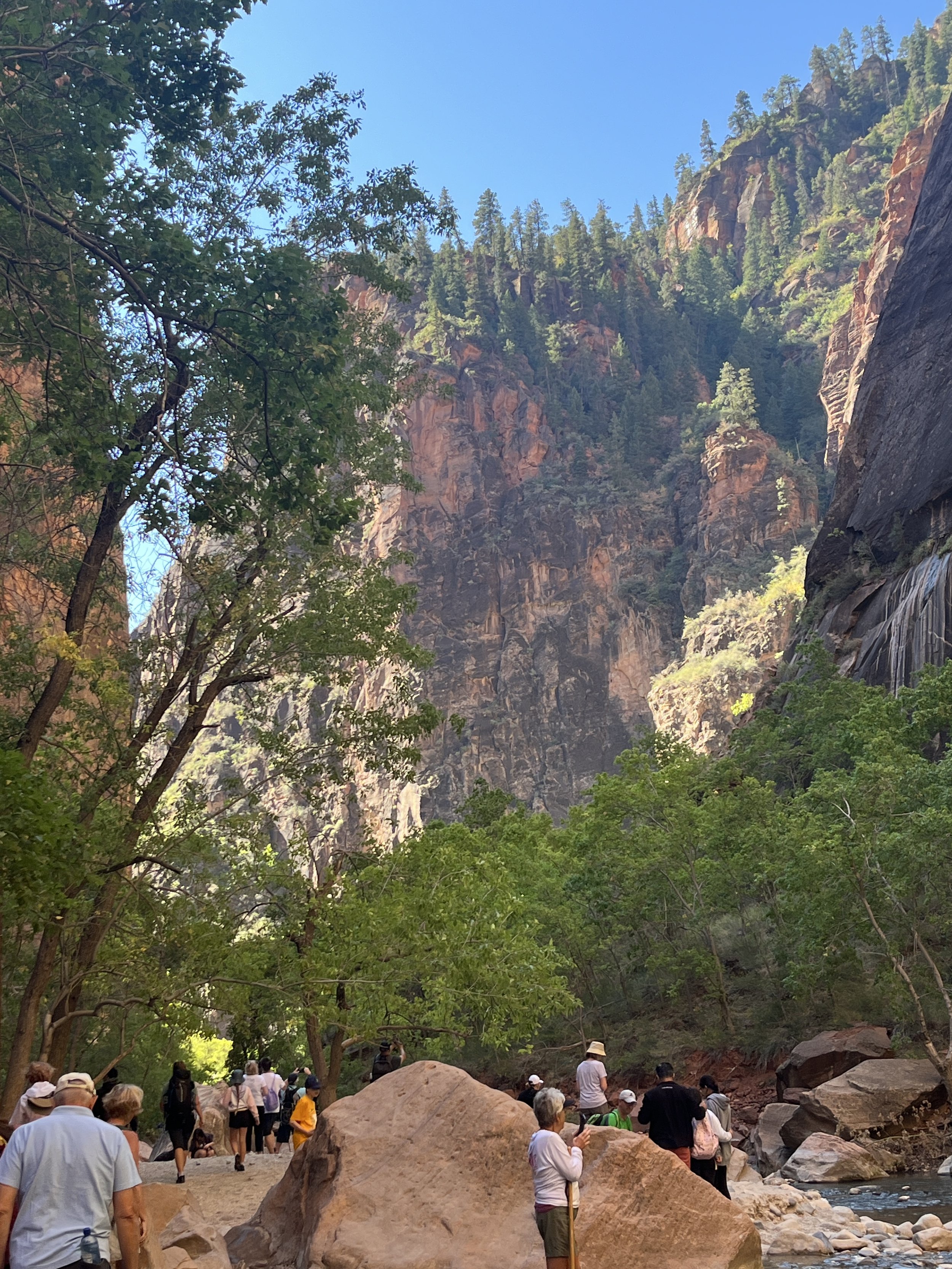
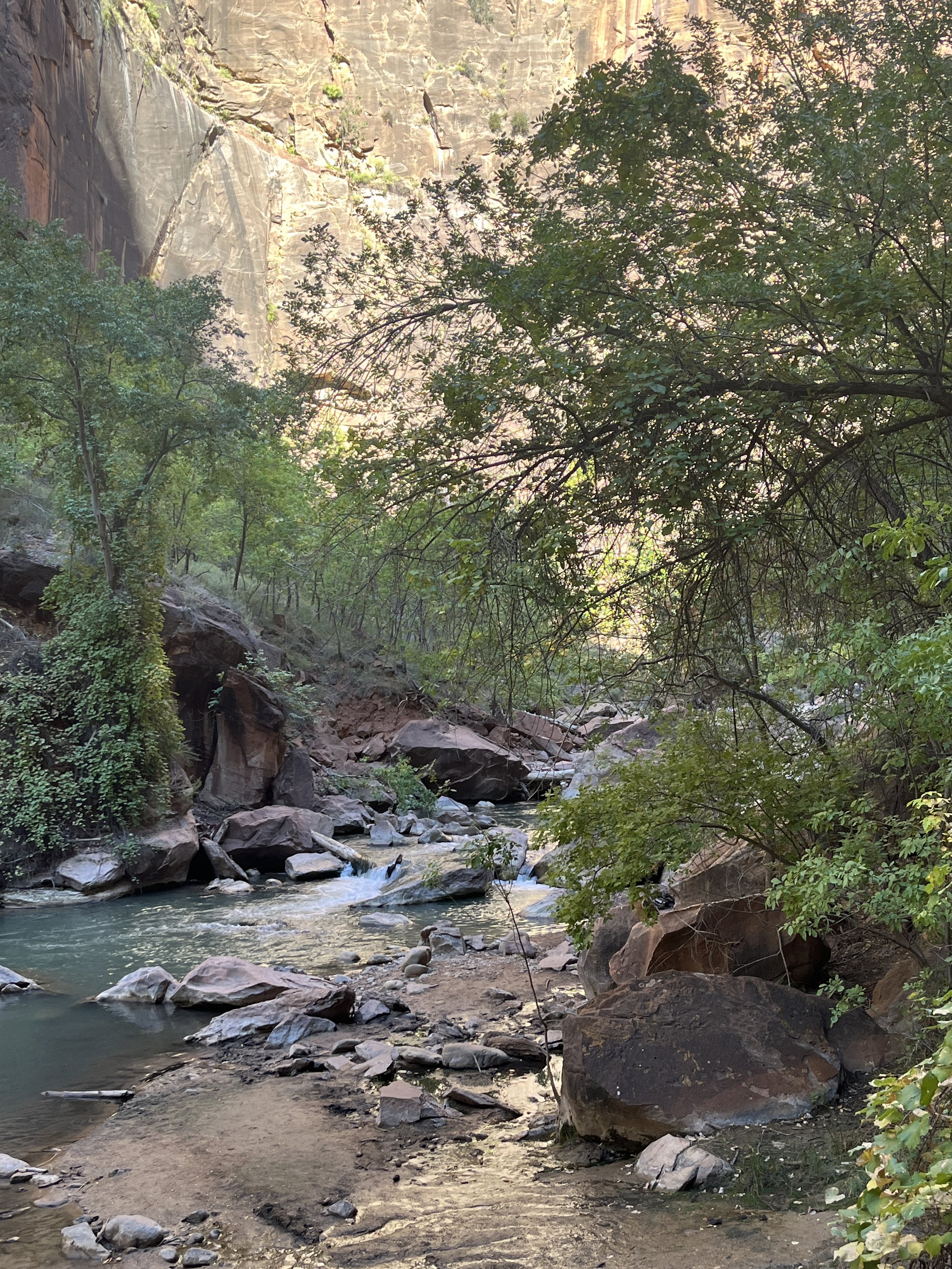
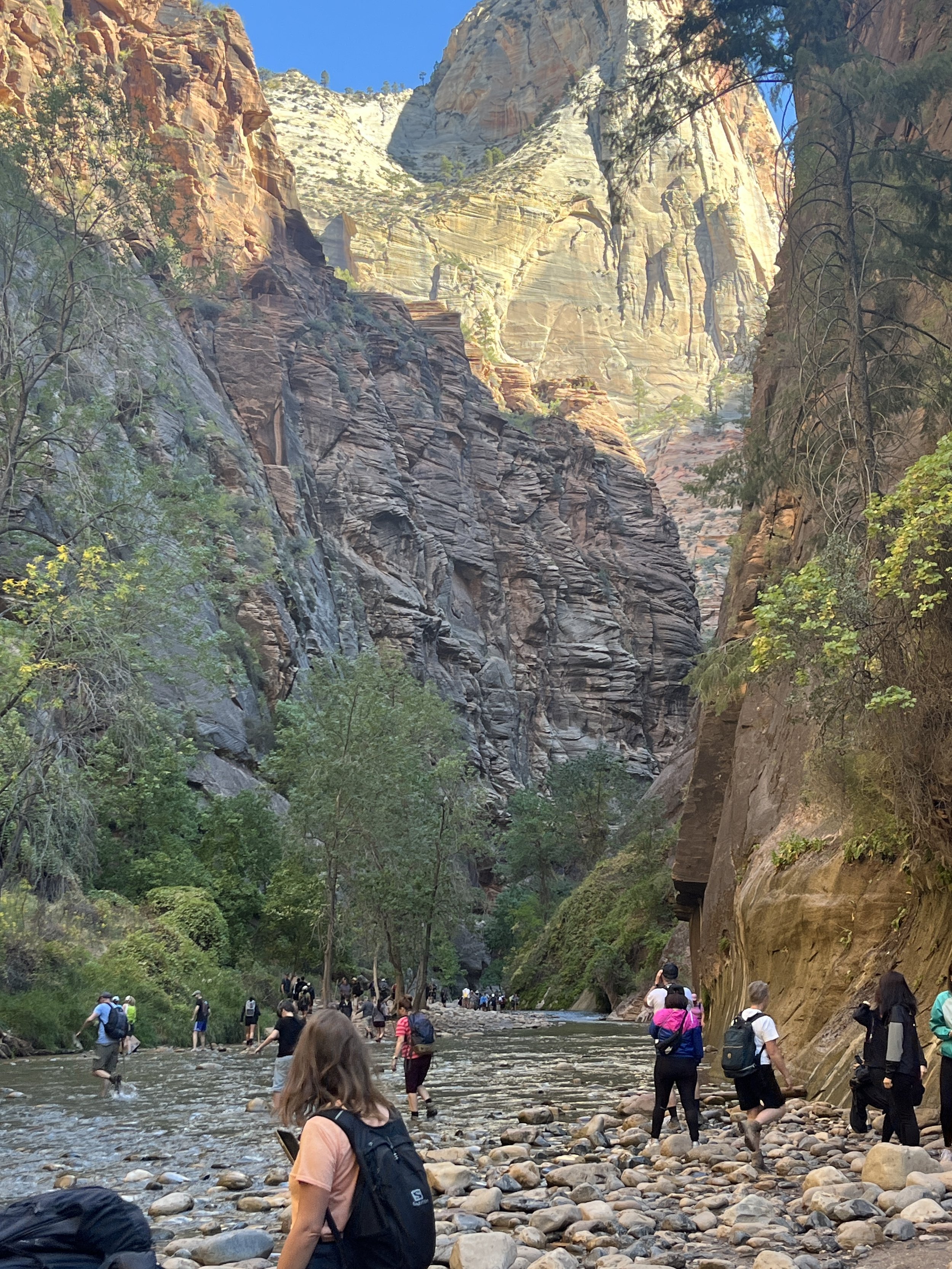
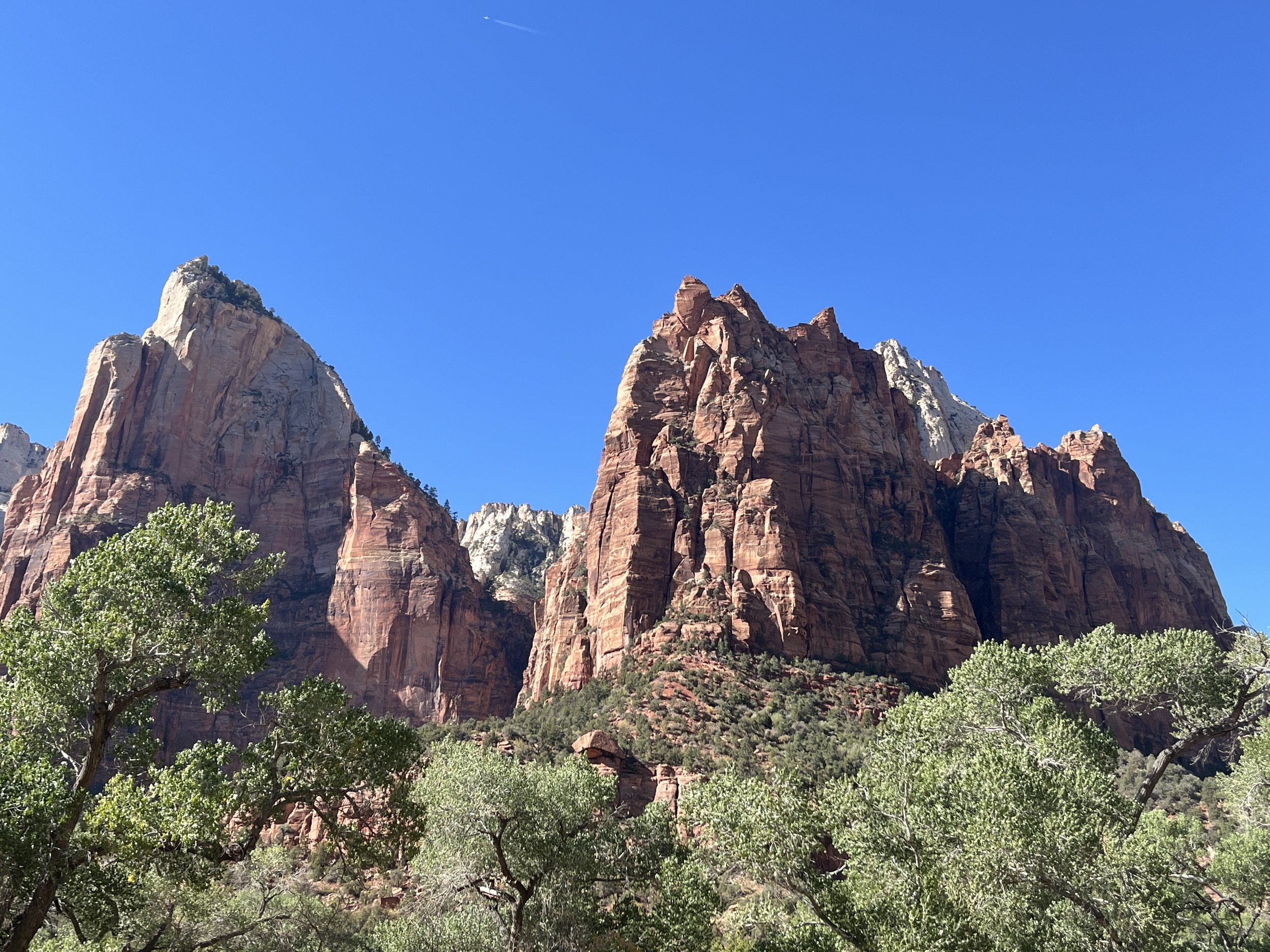
Zion's massive sandstone walls rise above the Virgin River, creating the landscape that defines the park. But Zion isn't just one canyon—the park stretches from desert terrain to high plateaus, with elevations supporting remarkably different environments. National Park Service
Holly Abroad tip:
I found Zion to be such a wonderful location — it allows for people young and old, newbie hikers (like me) and experienced hikers to see some of the most majestic vistas in the western United States. Explore at your leisure, hike the trails, and enjoy the views!
Essential History & Archaeology
Thousands of Years Before It Was a National Park…
People have lived in and around Zion for thousands of years. The archaeological record includes Archaic, Ancestral Puebloan and Southern Paiute communities; later European American settlement also became part of the region's story. Archaeological remains include homes, granaries and artifacts that document generations of human life in this landscape. National Park Service
The Cable Mountain Draw Works was a mechanism used for transporting timber from the mesas above Zion Canyon to the valley floor. In the mid-to-late 1800s, with David Flanigan searching for a solution because suitable construction timber was available above the cliffs and conventional transport was extremely difficult. The system they developed ultimately carried lumber more than 2,000 feet down into Zion Canyon. They discovered a suitable location above the eastern canyon rim, that allowed people to haul thousands of pounds of wire and materials through narrow canyon walls and vertical terrain. Over the years, hundreds of thousands of feet of board lumber were transported down the mountain. These materials were used in buildings and homesteads throughout the canyon and nearby settlements, including the original Zion Lodge.
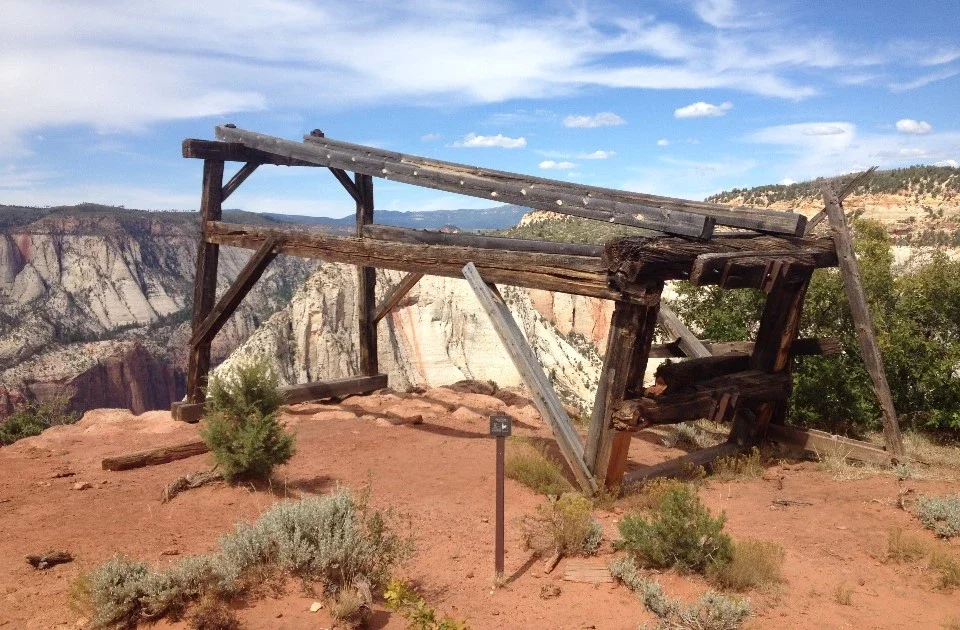
Cable Mountain Draw Works
The Cable Mountain Draw Works represent a significant part of the cultural heritage at Zion National Park.
The park asks visitors not to seek out closed archaeological sites; only a limited number are open to public viewing because of their fragility. National Park Service
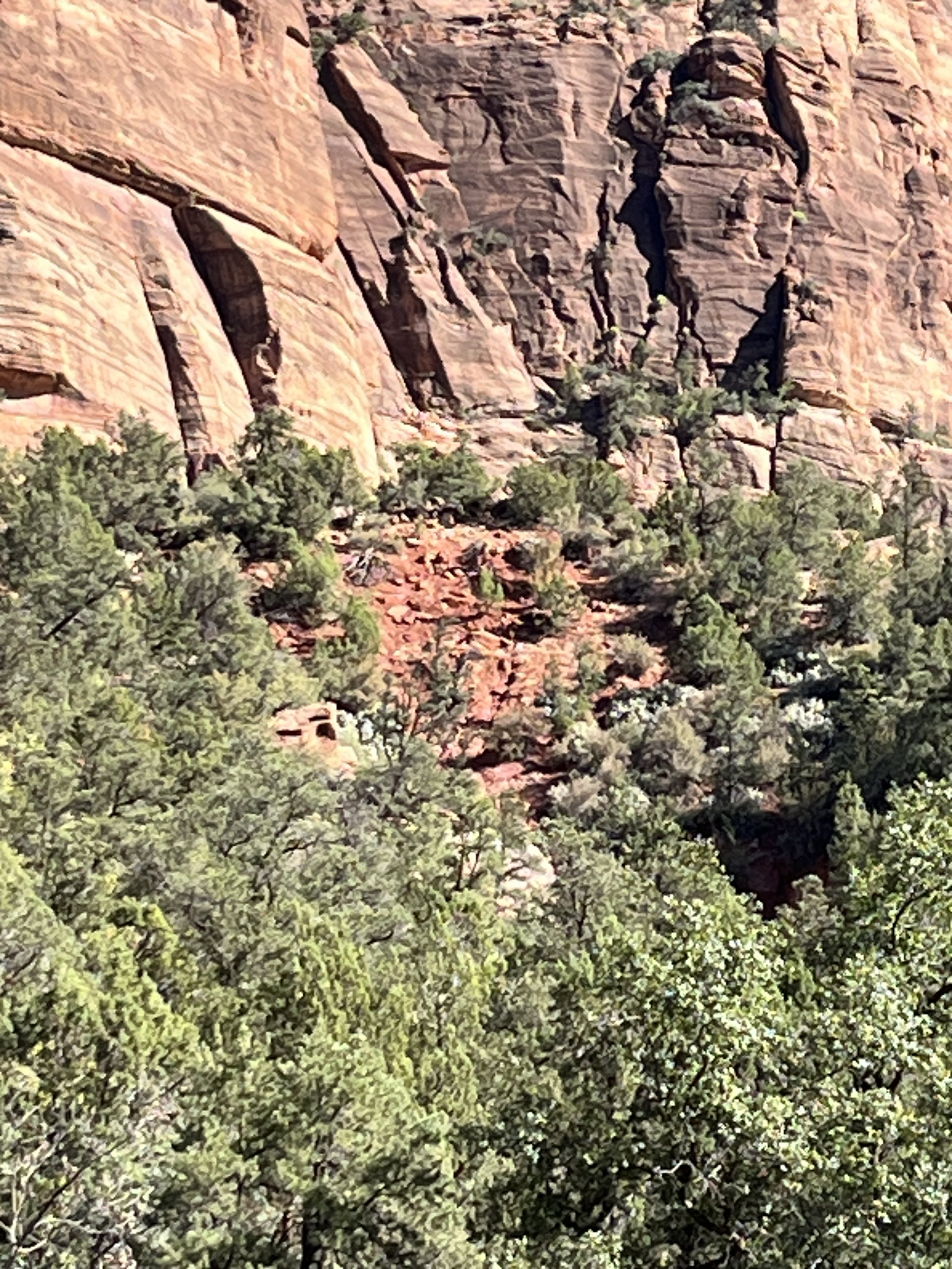
Weeping Rock Granary rests nearly two hundred feet above the canyon floor in an alcove that has protected it from the elements for over a thousand years. You can see this and other sites from the floor and wonder at the people who built it.
Don't skip: Zion Human History Museum, located near the park’s south entrance. This museum houses artifacts excavated from the park, providing an interesting glimpse into the history of Zion—as well as a much-needed break from the summer heat.
Best Scenic Drive
Zion–Mt. Carmel Highway
The Zion–Mt. Carmel Highway and Tunnel are themselves part of Zion's historic built environment. National Park Service
BE AWARE: The Zion–Mt. Carmel Highway remains open to private vehicles, but the nearby Zion Canyon Scenic Drive generally does not during shuttle season. Visitors use the park shuttle to explore Zion Canyon. National Park Service
New: Starting in June, there are new large-vehicle restrictions on the Zion–Mt. Carmel Highway effective June 7, 2026.
Vehicles exceeding any of the following dimensions are not permitted:
Length: Longer than 35 feet, 9 inches
Width: Wider than 7 feet, 10 inches
Height: Taller than 11 feet, 4 inches
Weight: Heavier than 50,000 pounds
Combined Vehicles (Trucks with Trailers)
Overall length: Cannot exceed 50 feet
Hitch to rear axle: Cannot exceed 26 feet
Planning note: Park regulations and access requirements can change. Check the National Park Service for current conditions before your visit. See the National Park Service website
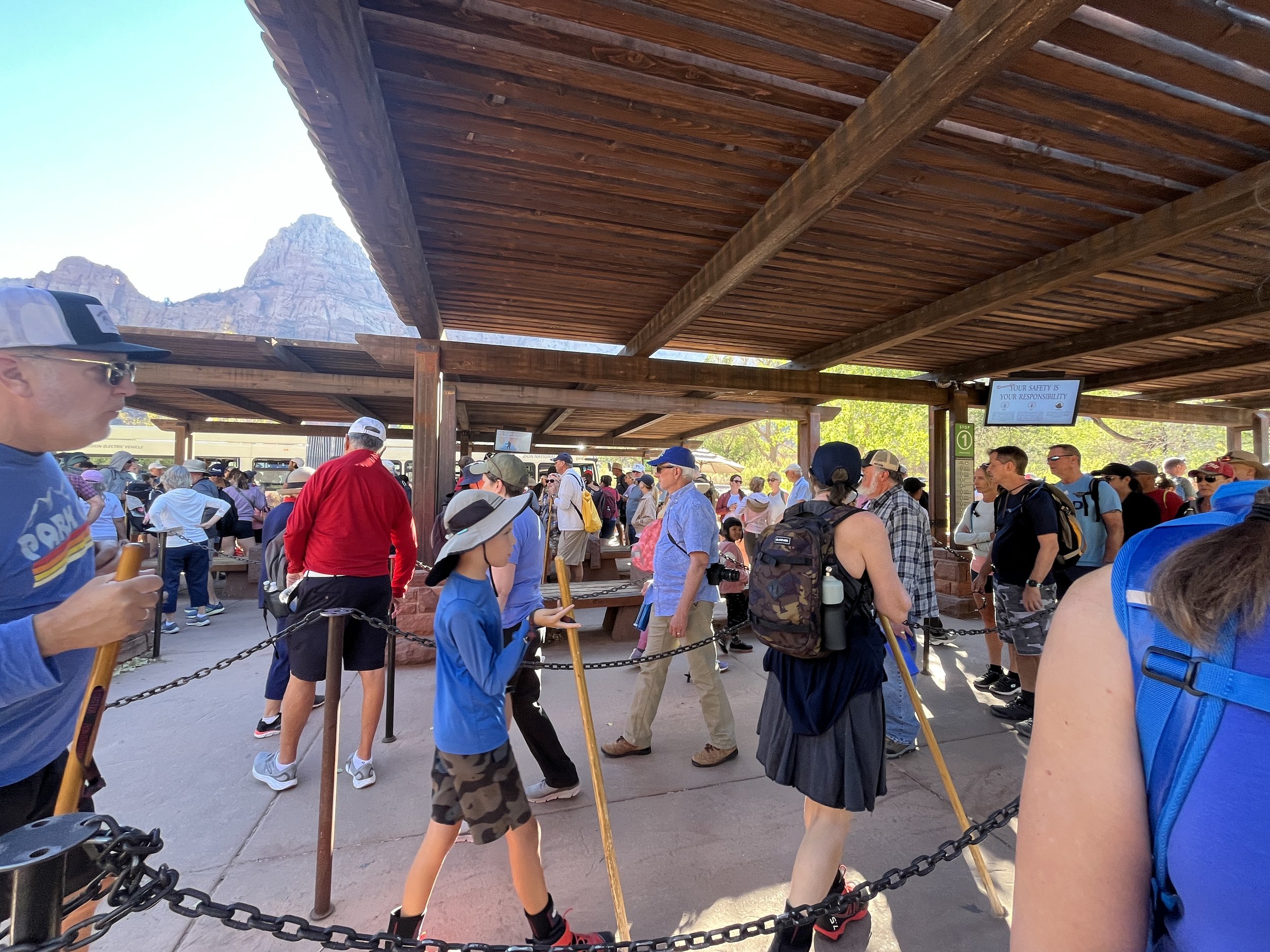
Ride the Shuttle
The park shuttle is free to ride. You do not need a permit or reservation to use the shuttle system.
During the shuttle season, visitors cannot drive personal vehicles on the Zion Canyon Scenic Drive. This includes before shuttles start for the day and after they stop running.
Shuttles arrive about every 5 - 10 minutes on the Zion Canyon Line (inside the park) and about every 10 - 15 minutes on the Springdale Line (outside the park).
Shuttles take about 45 minutes to drive between the Zion Canyon Visitor Center and the Temple of Sinawava. This means a round trip takes about an hour and a half.
See the National Park Service website for details
One Overlooked Holly Abroad Discovery
Kolob Canyons
Kolob Canyons was originally protected separately as Zion National Monument in 1937 and incorporated into Zion National Park in 1956. National Park Service
Kolob Canyons offers a quieter look at Zion, with soaring red cliffs, a scenic drive and far fewer visitors than the main canyon. Its separate entrance off I-15 makes it easy to miss—which is part of its appeal. If you have an extra half-day, it offers a very different Zion experience without requiring one of the park's major hikes.
Holly's note: I visited Kolob Canyons as a child, so my memories are admittedly a little hazy. It's one of those places I'd love to return to as an adult—and see through very different eyes.
Plus-Size Comfort & Accessibility
Zion's shuttle buses are wheelchair accessible, and accessible parking/restrooms are available at a number of major locations. The park also has an adventure wheelchair available for loan, subject to requirements and availability. Some natural terrain and trails remain much more challenging, so individual trail conditions matter. National Park Service
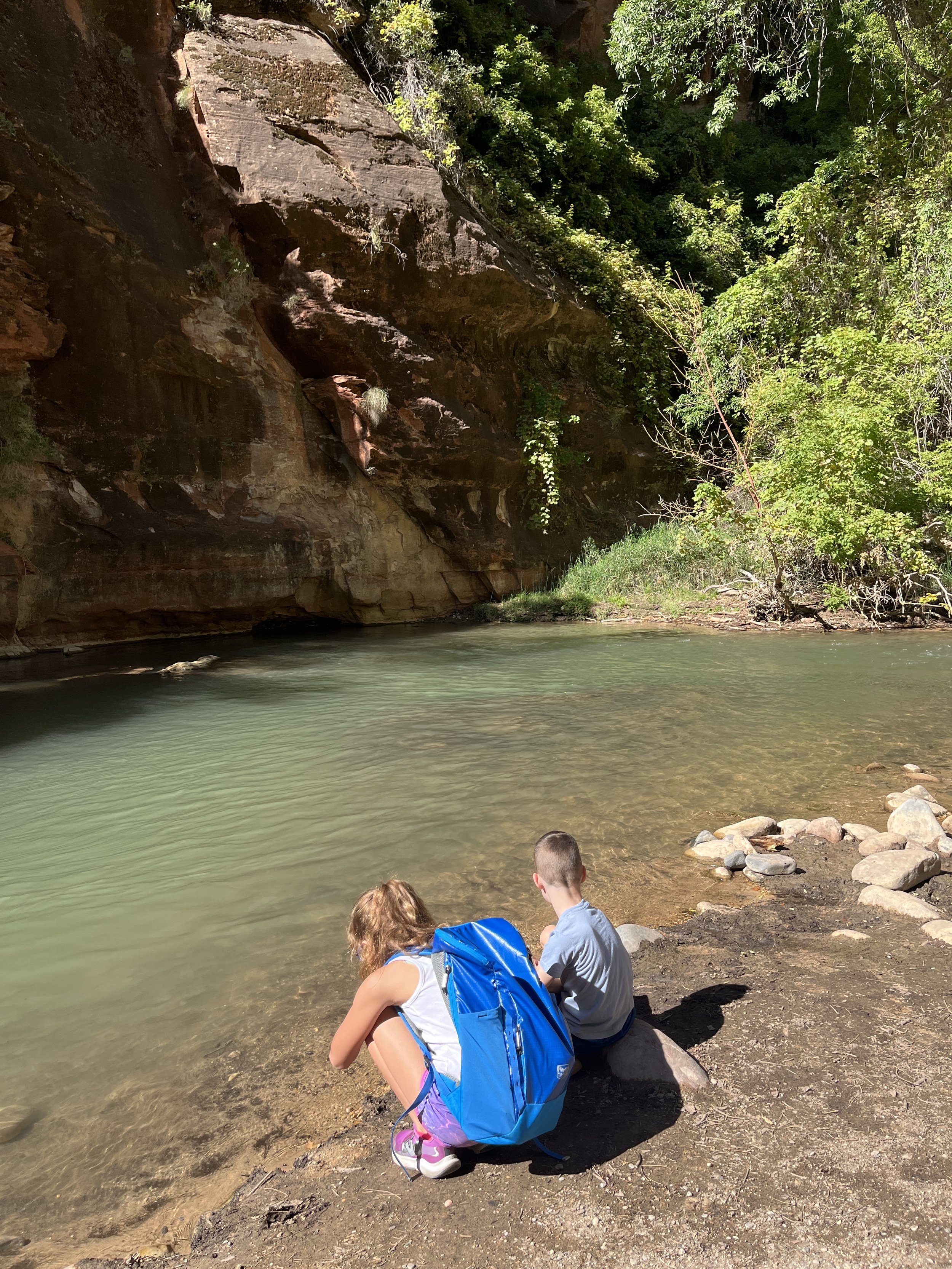
The shuttle provided a much needed rest from the summer heat. We last went with my young neice and nephew (11 and 9 respectively) and the shuttles helped their young legs rest between adventures. For me, the seats were roomy and comfortable and I felt true gratitude that we were able to ride them after long hikes.
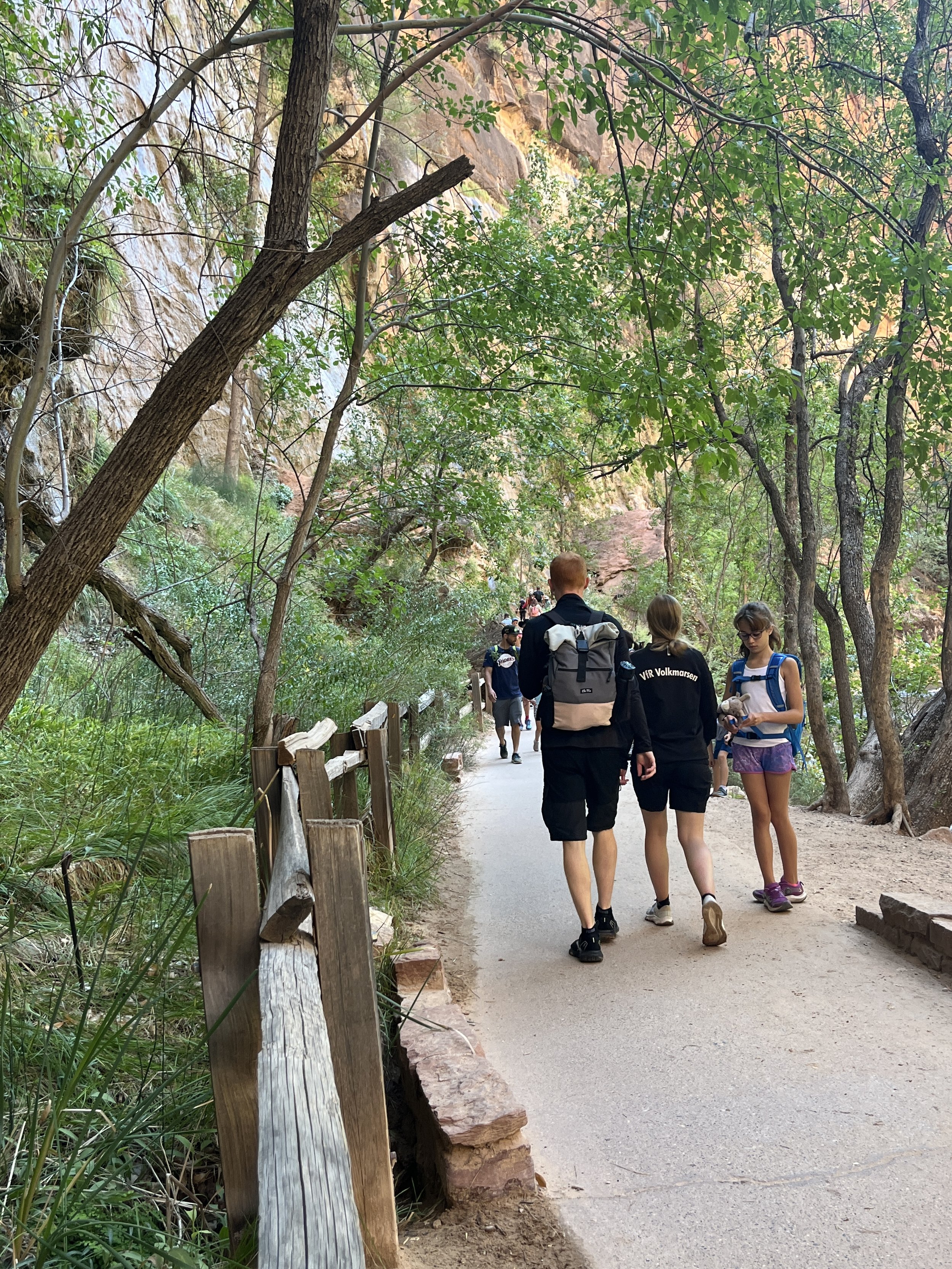
My family and I went on several hikes, no more than 3 miles in most cases, but they were astounding and never above a moderate level. It was easy to get around and the trails were, mostl, well-marked and easy to access. There were every level of hike from easy - truly easy with well paved paths along the river - to moderate with slight climbs and rocky trails.
There were benches near the shuttle stops and restrooms in the two main developed areas, but otherwise seating was scarce. sit when you can and rest when the trail allows. Even in October when we went, the park was warm. Dress in layers, stay hydrated and enjoy the adventure!
Realistic Trip Length
2–3 days for a first visit
One day can give someone an introduction to Zion Canyon and the scenic highlights.
Two days lets the trip breathe.
Three days gives you room for Zion Canyon, the east side, history, scenic stops and perhaps Kolob Canyons without treating the National Park like a checklist.
Remember: You don't have to hike every famous trail for Zion to count.
My family and I went through fairly quickly with the time we had. One day was doable and enjoyable because we'd been there before, but if you have the time, I highly recommend at least two full days.
Best Season
Spring or fall
Fall offers cooler hiking conditions and changing foliage, while spring brings warmer days and wildflowers—but spring snowmelt can affect access to the Narrows. Summer is Zion's busiest period and parking can fill very early. National Park Service
Holly's choice: Fall - the best combination of weather, crowds and foliage
Would I visit at that time again? Already planned!
The Holly Abroad Comfort Guide
Getting Around: 🟢 Good — The shuttle makes the major canyon sights accessible without driving, although it can get crowded.
Walking: 🟢🟡 Highly Flexible — Options range from short, relatively easy walks to extremely strenuous hikes.
Rest Opportunities: 🟢🟡 Moderate — Good around developed areas; considerably more limited on trails.
Restrooms: 🟢 Good in Developed Areas — Available at several major shuttle stops and developed areas.
Heat & Sun: 🟡 Plan Ahead — A significant consideration in warmer months, and Zion can still be surprisingly warm during shoulder season.
Crowds: 🟡 Plan Ahead — Peak periods can be very busy.
Holly Abroad Reminder: You do not have to hike Angels Landing to say you've experienced Zion.
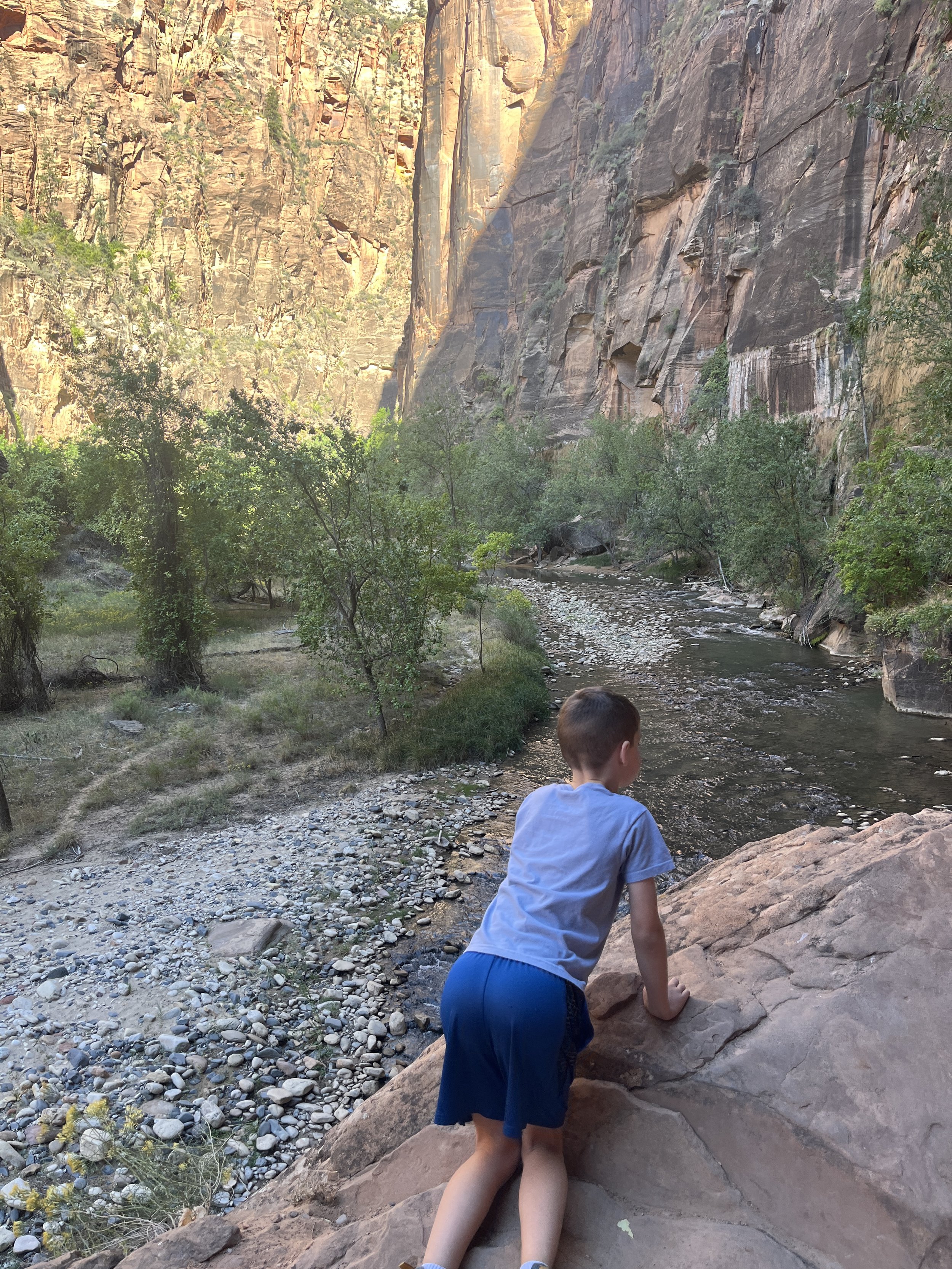
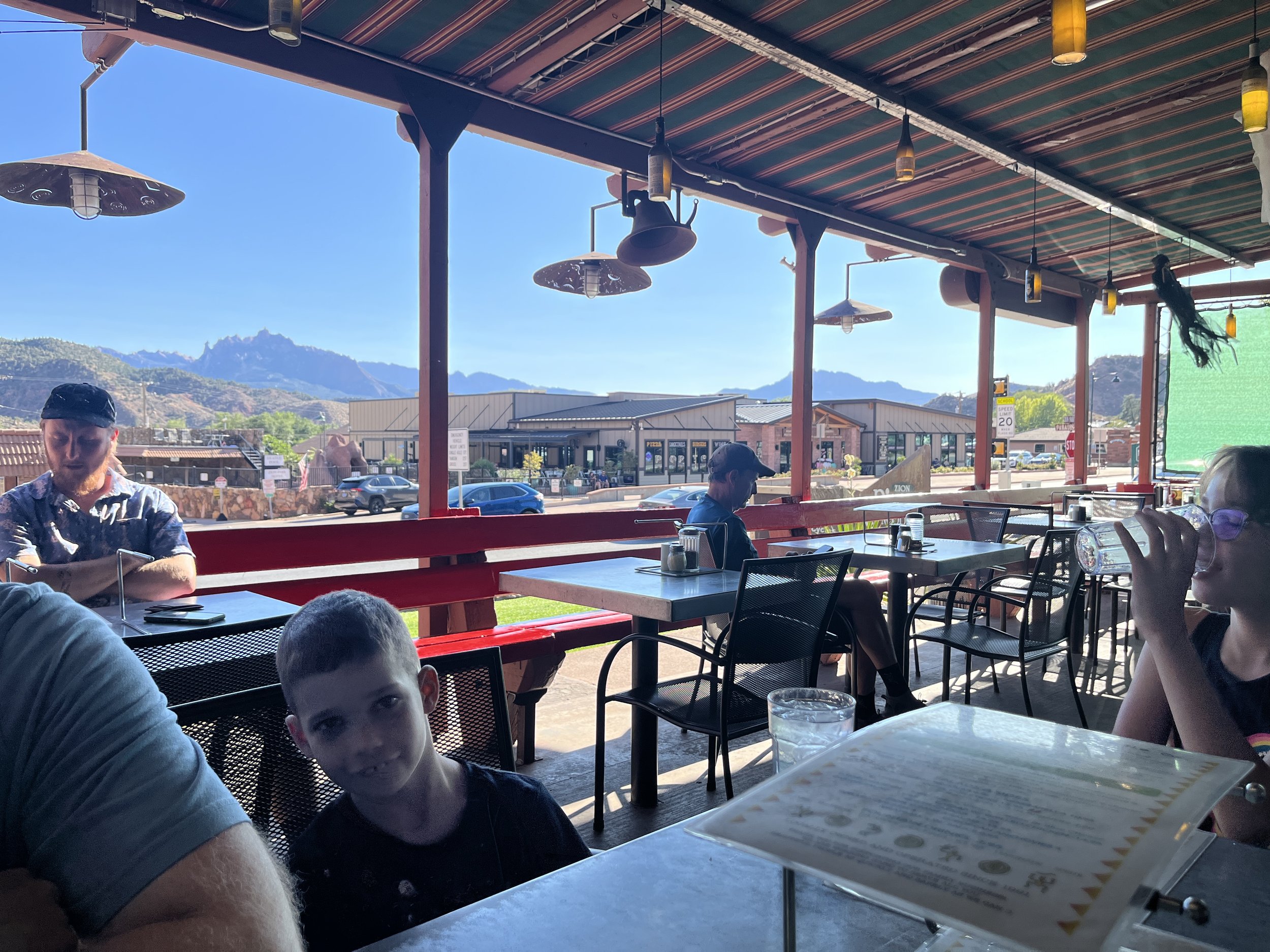
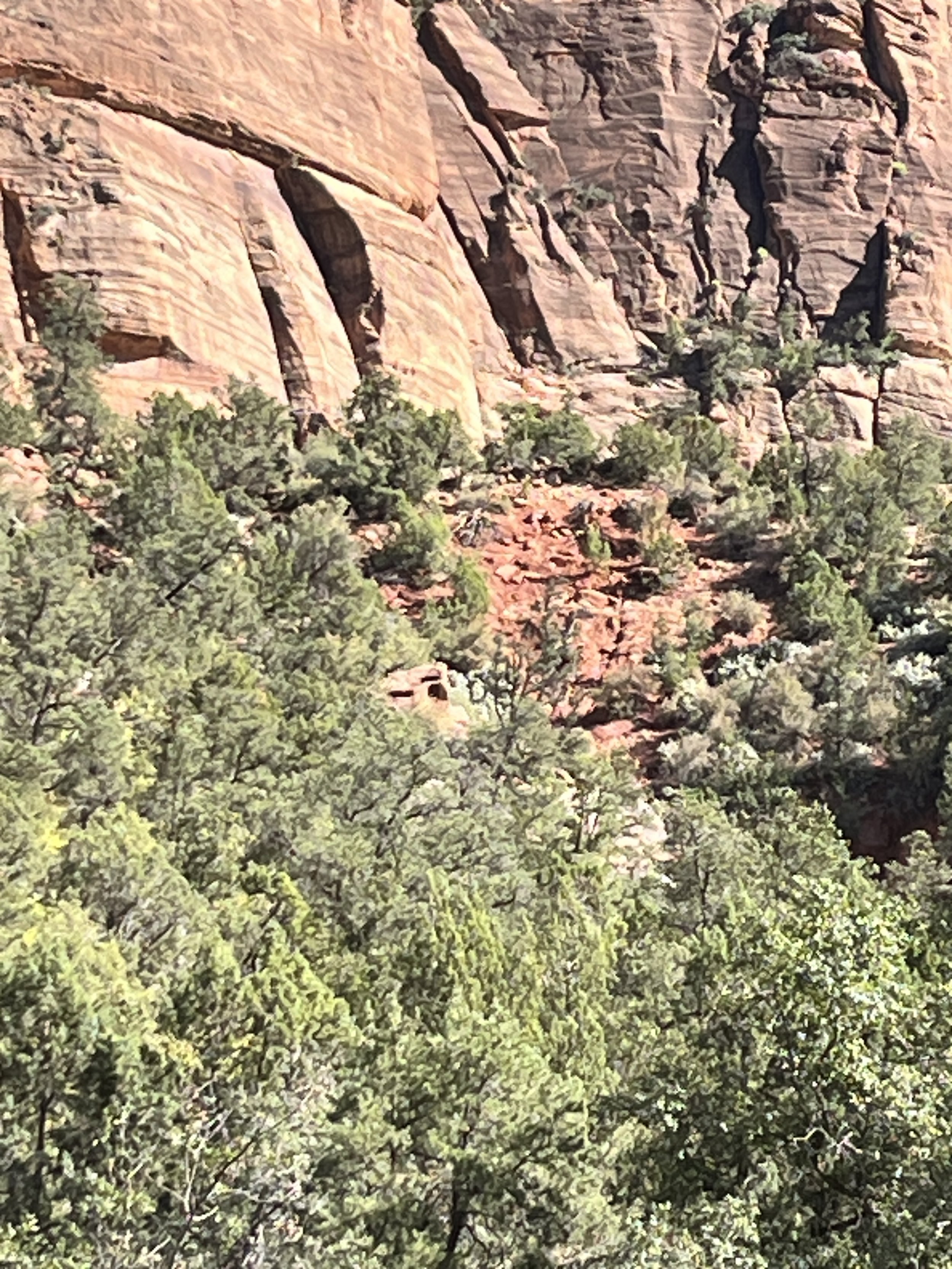
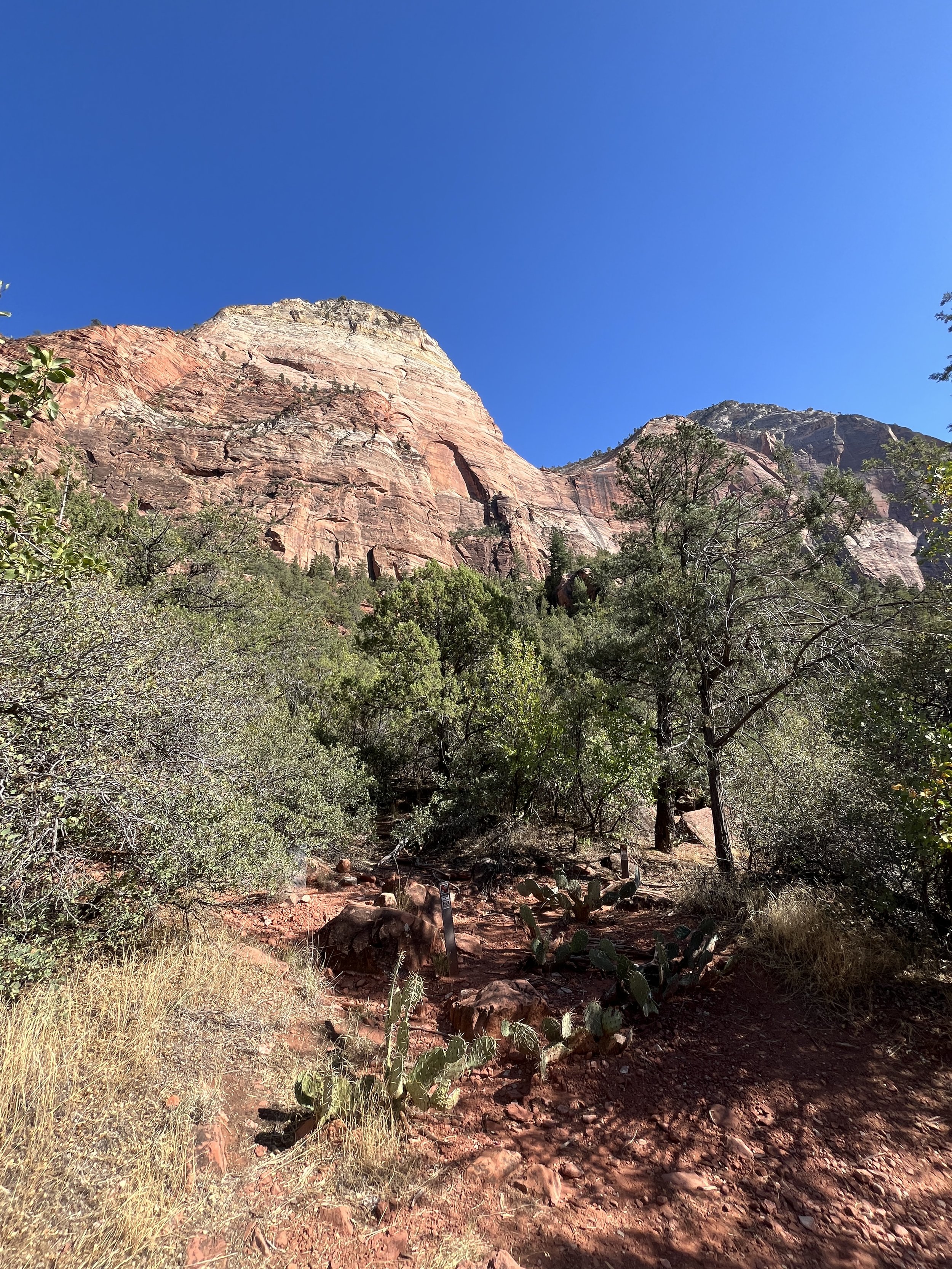
Zion Through My Lens
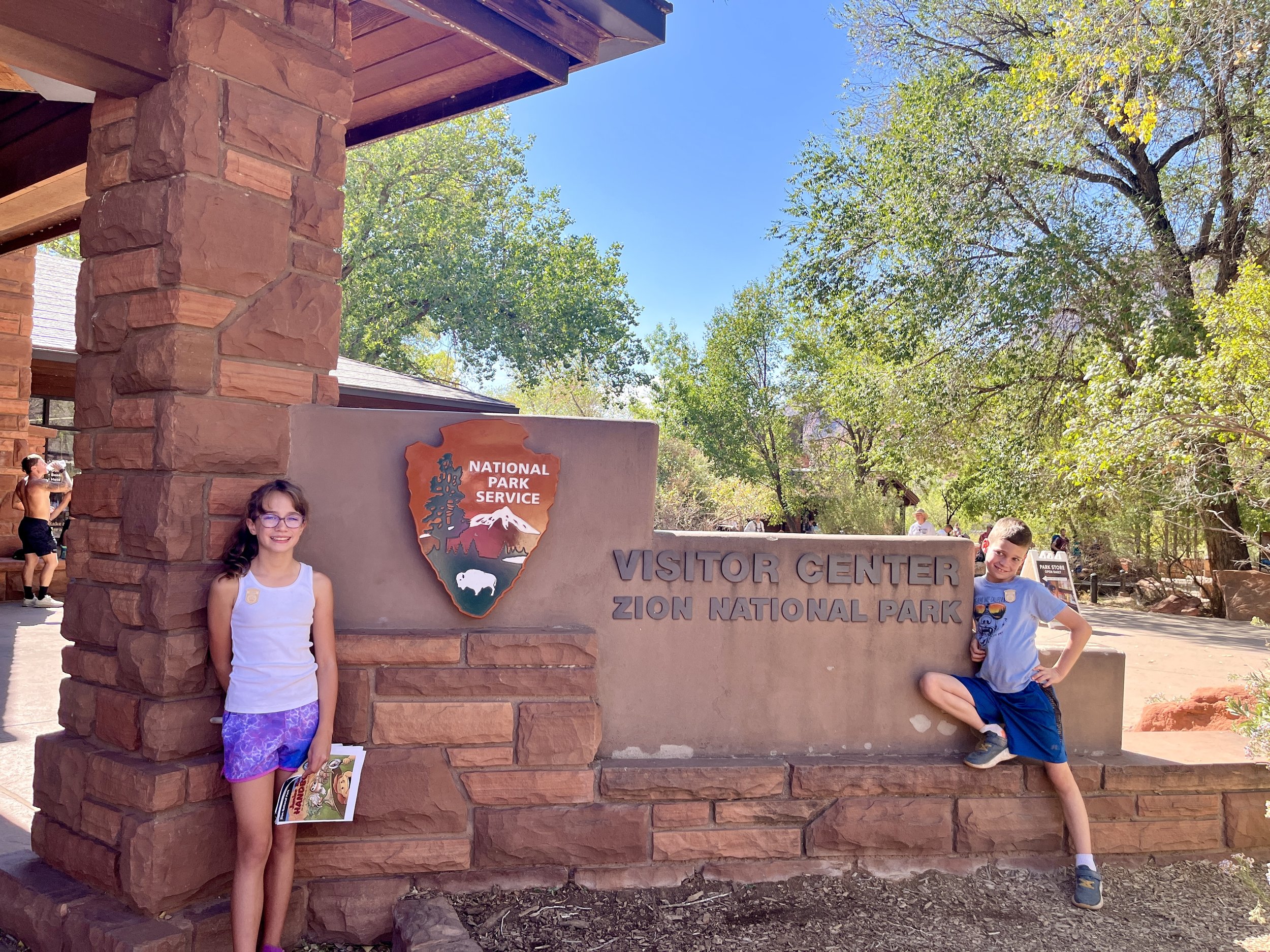
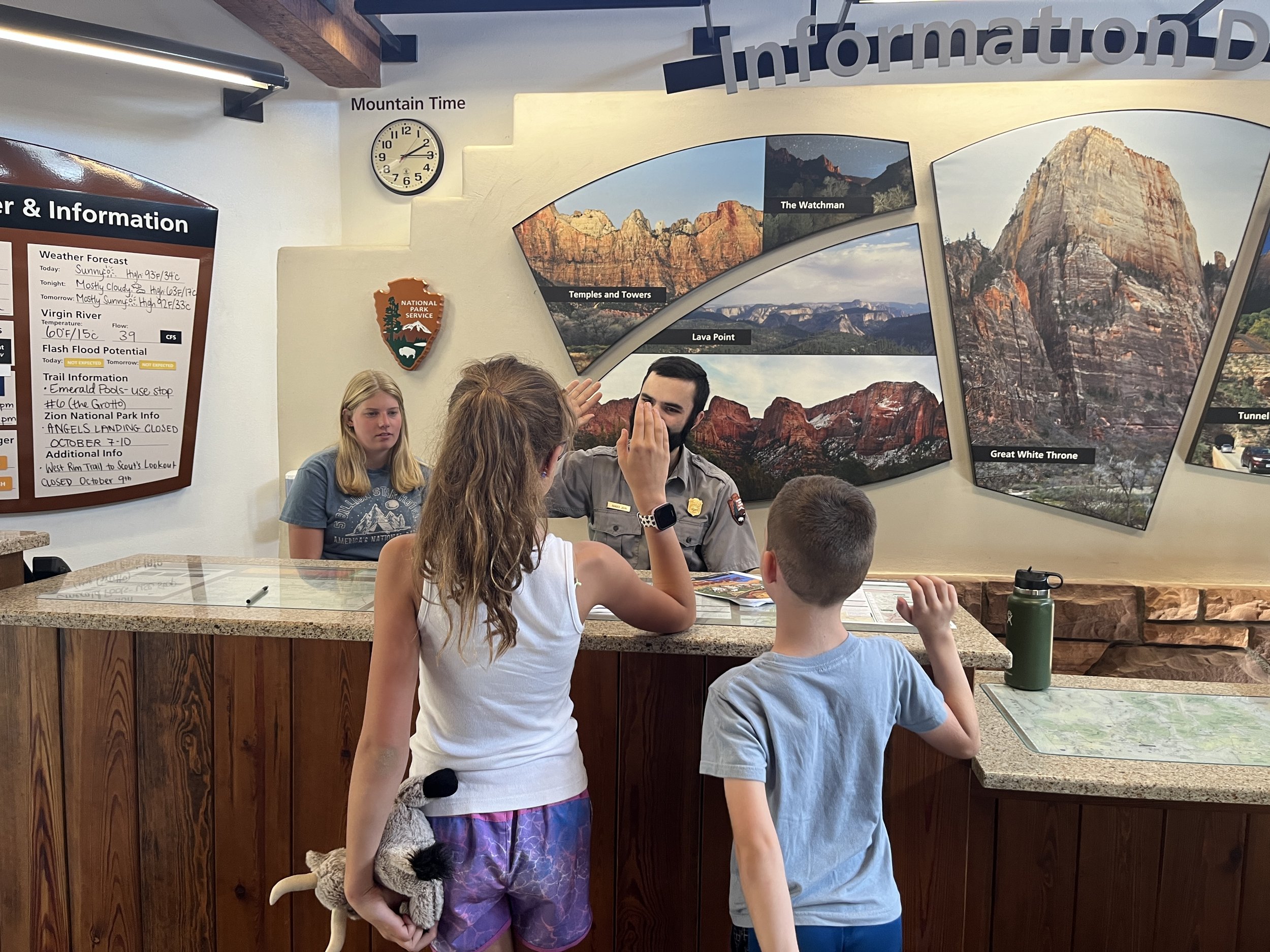
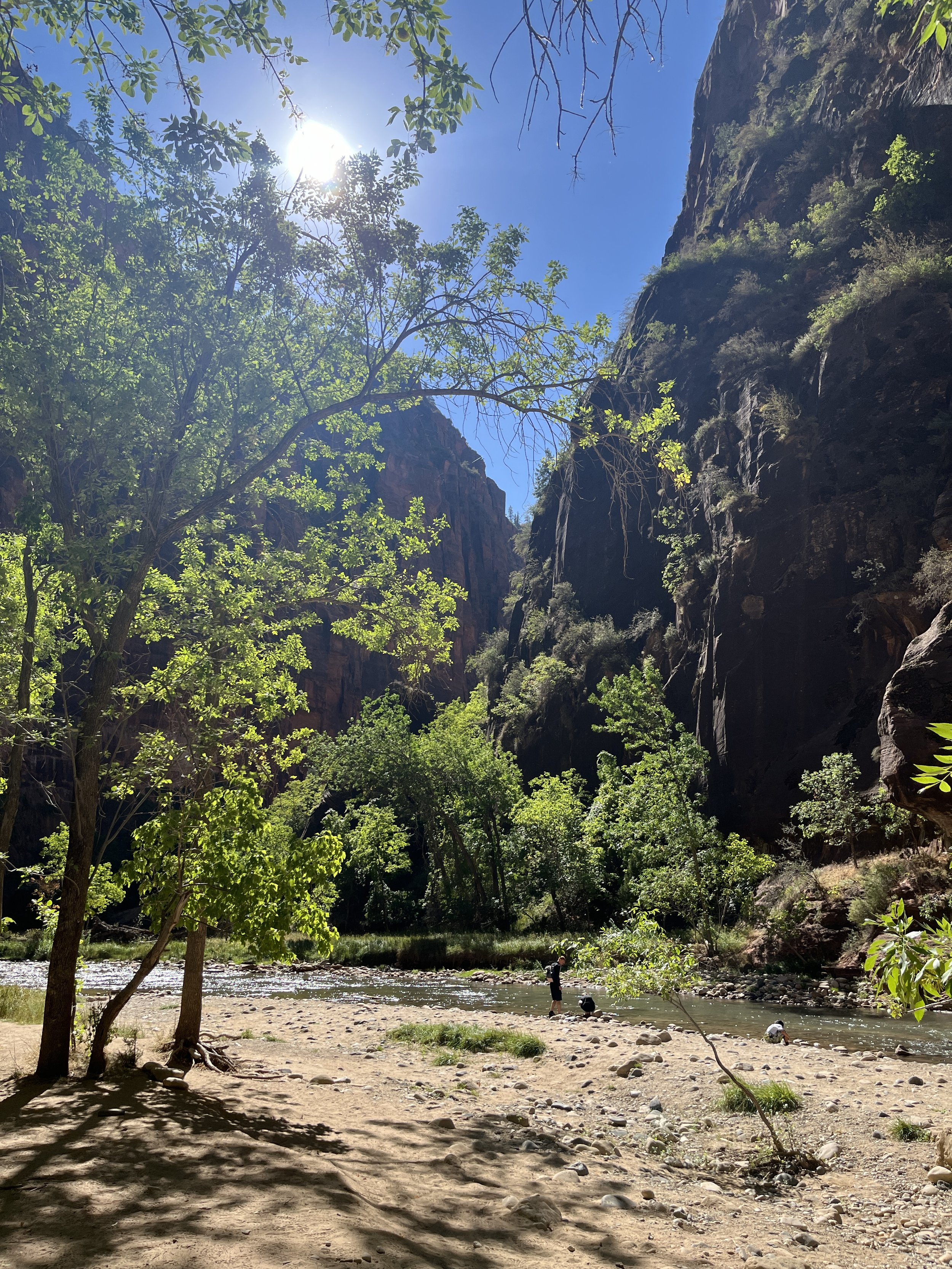
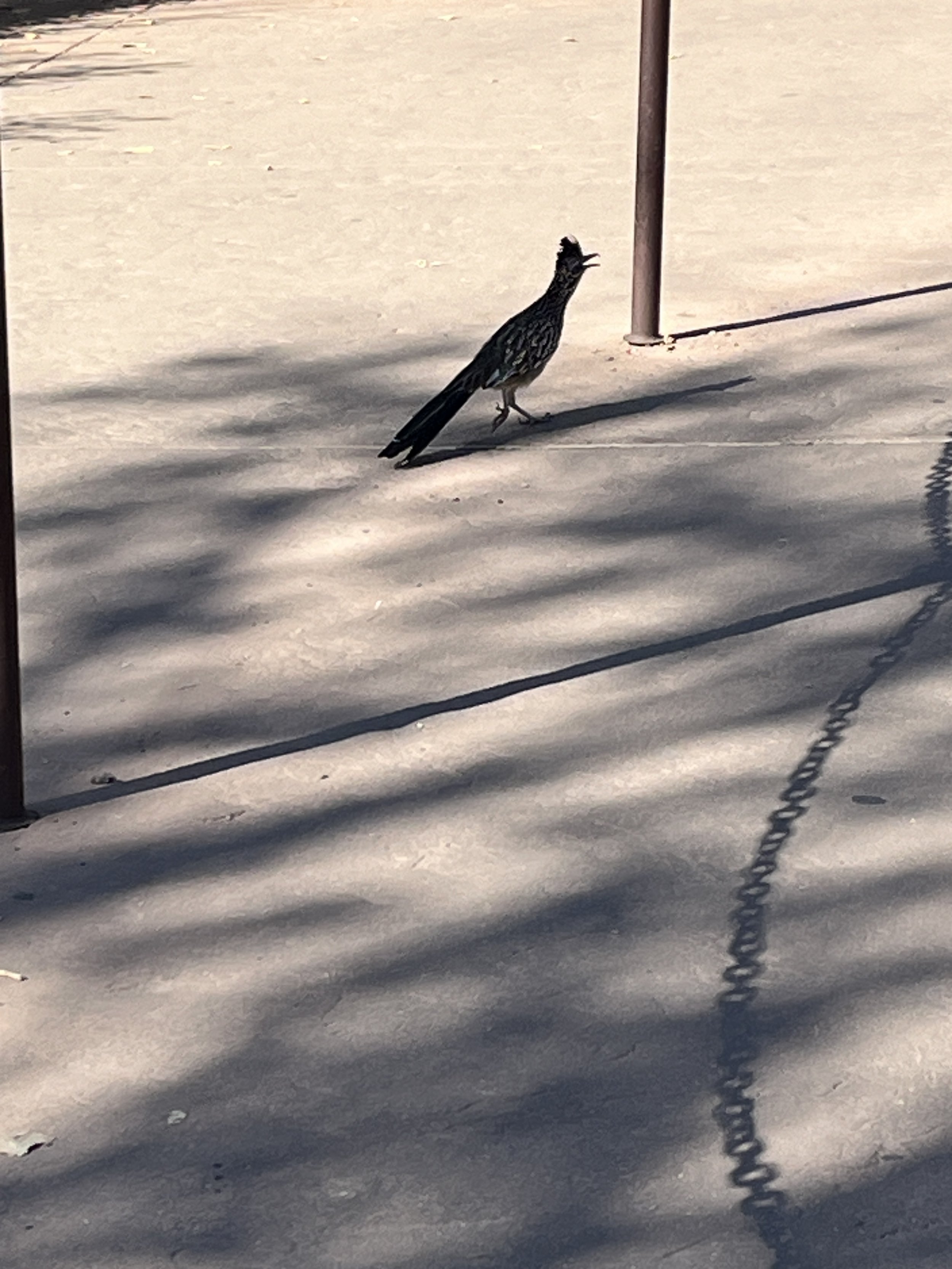
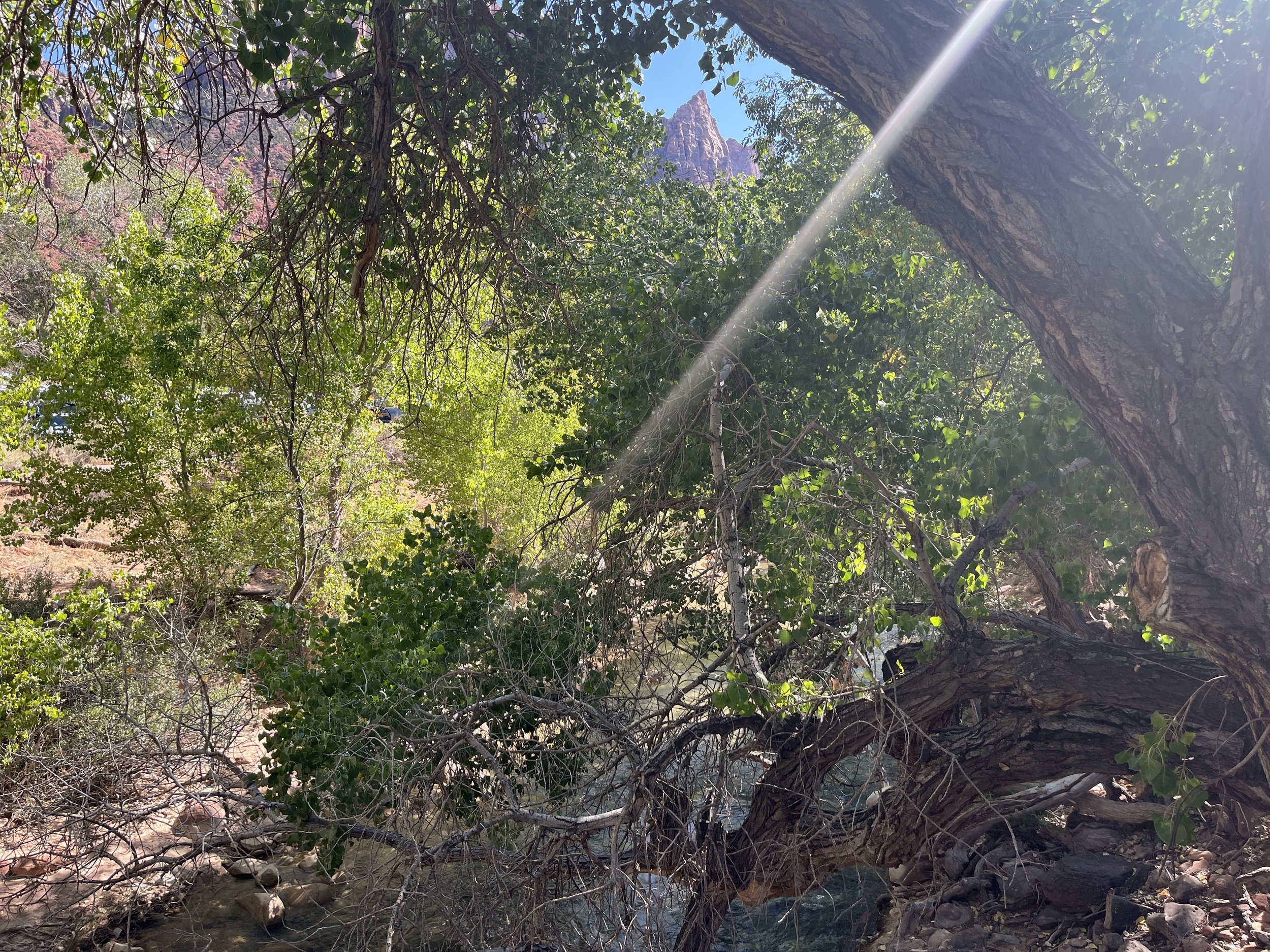
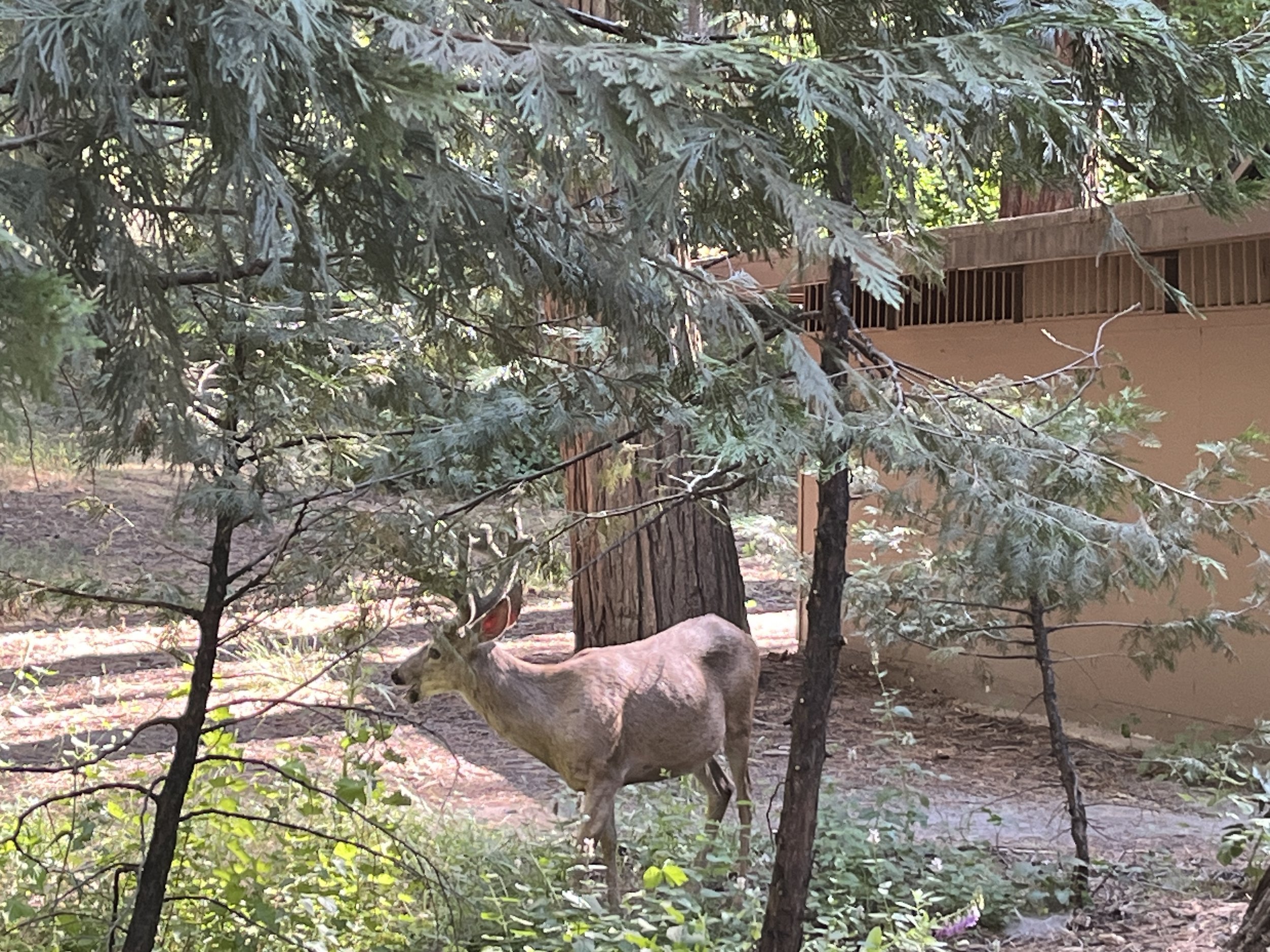
The trails, views, wildlife and little moments from my own visits to Zion.